
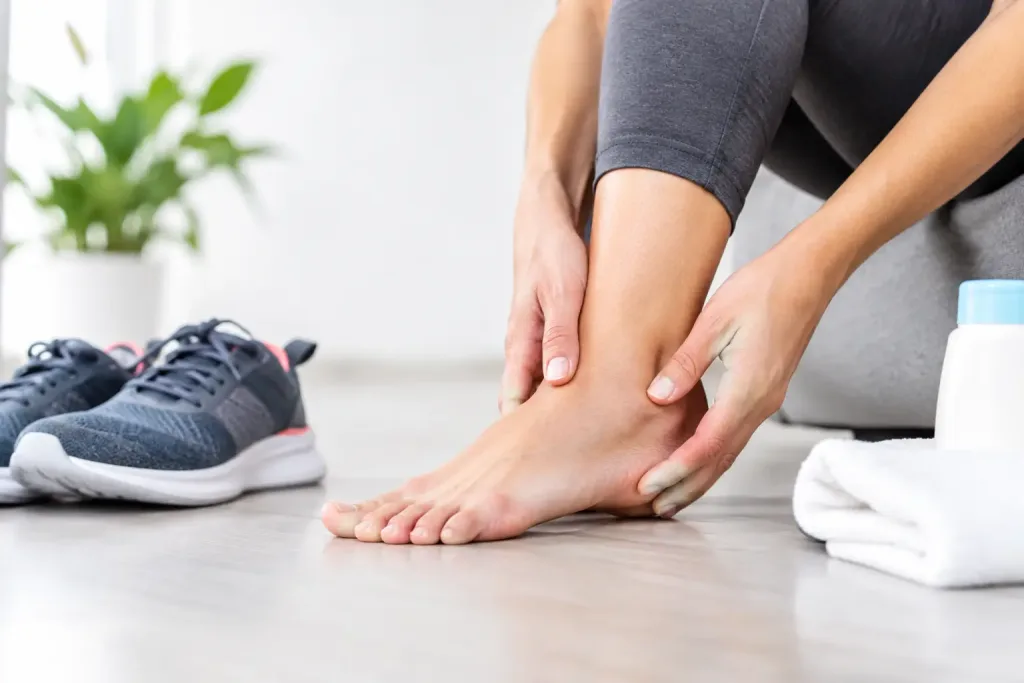
A small crack between the toes, a blister from a new shoe, or a nail trimmed too closely can become more than an inconvenience when bacteria or fungus enter the skin. Knowing how to avoid foot infections is a practical part of protecting comfort, mobility and independence, especially if diabetes, poor circulation, neuropathy, arthritis, or limited flexibility make foot care more difficult.
Foot infections do not always start with obvious pain. In fact, people with reduced sensation may not feel a cut, pressure point, or developing wound at all. A consistent routine helps you notice changes early, keep skin intact, and get the right care before a manageable concern becomes a serious one.
How to avoid foot infections with a daily routine
The most effective prevention is not complicated, but it does need to be consistent. Clean your feet every day with warm, not hot, water and mild soap. Hot water can cause a burn before you realize it if you have neuropathy, so test the temperature with your hand or elbow first. Dry carefully, particularly between the toes, where trapped moisture encourages fungal growth.
Use a plain, fragrance-free moisturizer on dry heels, soles, and the tops of the feet if your skin tends to crack. Do not apply cream between the toes. That area needs to stay dry, not softened. If sweating is a concern, changing socks during the day may make a meaningful difference.
Take a moment to inspect both feet each day. A hand mirror can help you see the soles, or a family member or foot-care professional can assist if bending or vision is difficult. Look for:
- redness, swelling, warmth, or tenderness
- cracks, peeling skin, blisters, cuts, or drainage
- colour changes around a nail or a nail growing into the skin
- a new callus, corn, pressure mark, or sore spot
- changes in foot shape or an area that feels unusually warm
These checks are particularly valuable for anyone with diabetes, peripheral neuropathy, vascular disease, or a history of foot wounds. Early changes often respond well to prompt attention. Waiting until there is discharge, significant swelling, or spreading redness can make treatment more involved.
Keep moisture under control
Fungus thrives in warm, damp environments. Athlete’s foot can cause itching, peeling, scaling, or cracked skin between the toes, but it can also be subtle. Once the skin barrier is broken, bacteria have an easier route in. Treating persistent peeling or itching early helps protect the skin from further damage.
Choose clean socks every day, and change them after exercise, work shifts, or any time they become damp. Moisture-wicking materials can be useful for people whose feet sweat heavily, while seamless socks may reduce friction for people with sensitive skin or diabetes. The best choice depends on your skin, activity level, and circulation needs.
Shoes need time to dry between wears. Rotating between two pairs, removing insoles when practical, and allowing footwear to air out can reduce dampness and odour. Avoid wearing the same wet work boots, running shoes, or slippers again before they have dried fully. At public pools, gyms, showers, and change rooms, wear waterproof sandals rather than walking barefoot.
Choose footwear that protects skin
Footwear is one of the most overlooked factors in infection prevention. A shoe that rubs the heel, squeezes the toes, or allows the foot to slide can create a blister or callus. Those small areas of damage are entry points for infection, particularly when healing is slow.
Shoes should have enough depth and width for the foot, a secure heel, and a toe box that does not press on the nails. Before putting shoes on, check inside for a folded sock, small stone, rough seam, or worn lining. A person with neuropathy may not feel an object in the shoe until it has already caused a wound.
Do not assume a shoe is safe simply because it is familiar. Feet can change shape with age, arthritis, swelling, diabetes, weight changes, or altered walking patterns. Custom orthotics or properly selected supportive footwear may help redistribute pressure when recurring calluses, pain, or deformities are creating high-risk areas.
At home, supportive indoor footwear is usually safer than walking barefoot. This is especially true for anyone with reduced sensation, poor balance, or fragile skin. Bare feet are more exposed to cuts, burns, splinters, and accidental impact with furniture or household objects.
Take extra care with nails, corns, and calluses
Nail care can be simple for healthy feet, but it is not risk-free. Trim nails straight across, avoid cutting them too short, and gently smooth sharp edges with a file. Do not dig into the corners of an ingrown nail or cut cuticles. The skin around the nail is delicate, and a small injury can lead to inflammation or infection.
Avoid bathroom surgery on corns, calluses, blisters, and thick nails. Never use sharp blades or harsh over-the-counter corn removers on feet affected by diabetes, circulation problems, neuropathy, or thin skin. These products can cause a chemical burn or wound, even when used as directed.
A blister should be protected from further rubbing rather than popped at home. If the skin has opened, gently clean the area, cover it with a clean dressing, reduce pressure from footwear, and seek professional advice if there is redness, drainage, increasing pain, or delayed healing.
Routine professional foot care is often the safer choice when nails are thick, curved, fungal, difficult to reach, or hard to see. It is also appropriate when a person has tremors, arthritis, vision impairment, stroke-related limitations, or dementia that makes self-care unsafe.
Understand your personal risk factors
Not every foot has the same infection risk. Diabetes can affect blood flow, sensation, immune response, and wound healing. Peripheral neuropathy can remove the warning signal of pain. Poor circulation may mean less oxygen and fewer healing resources reach the tissues. Swelling, venous disease, immune suppression, smoking, and chronic skin conditions can also change how quickly the skin recovers from a minor injury.
If you live with one or more of these factors, prevention needs to be more than an occasional check. A personalized foot-care schedule, regular vascular and sensory assessment, and early treatment of fungal skin or nail concerns can reduce avoidable complications. This is not about being alarmed by every dry patch. It is about recognizing that a wound on a high-risk foot deserves a lower threshold for professional assessment.
Active adults should take prevention seriously as well. Long shifts on concrete floors, sweaty sports footwear, running mileage, and repetitive friction can all compromise the skin barrier. If you repeatedly develop blisters in the same place, thick calluses, nail trauma, or cracked heels, the underlying issue may be shoe fit, biomechanics, moisture, or pressure distribution rather than a lack of hygiene.
Know when to seek care promptly
Contact a qualified foot-care provider or your primary health-care team promptly if you notice a new open area, pus or drainage, spreading redness, swelling, warmth, worsening pain, a foul odour, fever, or a darkening area of skin. People with diabetes or poor circulation should not wait to see whether a wound improves on its own.
Urgent assessment is especially important if redness is moving up the foot or leg, you feel unwell, or a toe or foot becomes blue, pale, black, or suddenly cold. Infection can progress quickly, and early treatment may help prevent deeper tissue damage, hospitalization, or loss of mobility.
At Feet & Life in Barrie, nursing-informed foot care can help identify skin, nail, circulation, and pressure concerns before they interfere with daily life. The right plan may include regular maintenance, wound support, diabetic foot care, fungal nail treatment, or guidance on footwear and pressure management.
Your feet carry you through work, family life, exercise, and the ordinary moments that support independence. Give them the same attention you would give any other part of your health: protect the skin, notice changes early, and ask for help before a small concern has the chance to slow you down.