
A small stone in a shoe, a blister from a new seam, or a toenail trimmed a little too closely can become a serious problem when your feet cannot reliably feel pain. That is why peripheral neuropathy care is not simply about easing tingling or numbness. It is about protecting skin, preserving balance, reducing avoidable wounds, and helping you stay safely mobile.
Peripheral neuropathy occurs when nerves outside the brain and spinal cord are damaged. In the feet and lower legs, this can change sensation, muscle control, circulation-related comfort, and the body’s ability to notice an injury early. Symptoms may develop slowly, which can make them easy to dismiss until daily activities become more difficult.
When numbness changes how you care for your feet
People describe neuropathy in different ways. Some feel burning, pins and needles, electric-shock sensations, or pain that is worse at night. Others notice that their feet feel padded, cold, unusually sensitive to touch, or partly absent. A person may also lose awareness of heat, pressure, rubbing, or a cut.
Loss of protective sensation is often the greatest concern for foot health. Pain normally tells us to move away from something harmful. When that signal is reduced, a tight shoe can rub the same area for days, a callus can thicken over a pressure point, or a minor crack in dry skin can deepen without being noticed.
Neuropathy can also affect strength and coordination. Changes in how the foot lifts, pushes off, or senses the ground may increase the risk of tripping and falls. If arthritis, poor circulation, vision changes, or reduced flexibility are also present, safe self-care may become even more challenging.
Diabetes is a common cause of peripheral neuropathy, but it is not the only one. Other possible contributors include vitamin deficiencies, alcohol use, kidney disease, certain medications, chemotherapy, thyroid conditions, autoimmune disease, infections, spinal issues, and nerve compression. Determining the cause matters because the care plan may need to address more than the feet.
Peripheral neuropathy care starts with prevention
A good plan combines medical oversight with practical habits. Nerve damage may not always be reversible, but injuries and complications are often preventable when changes are identified early.
Start with a daily foot check. Look at the tops, soles, heels, sides, and spaces between the toes. A hand mirror can help, or a family member or care provider can assist if bending or vision is difficult. Look for redness, swelling, blisters, cuts, cracks, drainage, unusual warmth, colour changes, thick callus, or changes around the nails. Feel for objects in shoes before putting them on.
Wash feet in warm, not hot, water and dry carefully, especially between the toes. Test water with an elbow or thermometer rather than your foot if sensation is reduced. Moisturizer can help prevent cracking on dry skin, but it should generally stay off the spaces between toes, where excess moisture can contribute to skin breakdown.
Footwear deserves the same attention as skin care. Shoes should have enough depth and width for the toes, a secure heel, and a supportive sole. They should not create rubbing at the heel, toe box, or ball of the foot. Never rely on pain alone to judge whether a shoe fits properly. Wear clean, well-fitting socks and avoid walking barefoot, even indoors, where a splinter, pet toy, dropped object, or hot surface can cause an unnoticed injury.
For people with pressure areas, deformities, recurring callus, or changes in gait, custom orthotics or footwear modifications may help redistribute pressure. The right option depends on the foot shape, activity level, circulation, skin condition, and any history of wounds. An insert that feels comfortable at first is not automatically the right choice if it shifts pressure elsewhere.
Why professional foot assessment matters
At-home checks are essential, but they do not replace regular clinical assessment. Thick nails, corns, calluses, fungal changes, and hard-to-reach skin can be risky to manage with reduced sensation. Cutting too deeply or using over-the-counter corn removers can damage healthy tissue and create an opening for infection.
A nursing-informed foot-care assessment can identify areas of pressure, skin integrity concerns, nail issues, footwear problems, circulation changes, and signs that sensation may be declining. Care may include safe nail and callus management, wound monitoring, pressure-relief recommendations, footwear guidance, and a personalized prevention schedule.
The frequency of visits depends on risk. Someone with stable symptoms and healthy skin may need periodic monitoring, while someone with diabetes, a previous ulcer, poor circulation, severe deformity, or difficulty performing daily checks may need more frequent care. Long-term-care residents can benefit from a consistent foot-care routine because mobility limitations, dementia, vision changes, and multiple medications can make concerns harder to recognize or report.
Painful neuropathy also needs a broader conversation with a primary care provider or specialist. Medication, blood glucose management, nutrition, activity modification, sleep support, and treatment of underlying medical conditions may all have a role. Foot care supports this process by reducing injury risk, but it should be part of coordinated health care rather than a substitute for medical investigation.
Warning signs that should not wait
Neuropathy can make a wound look less urgent because it may not hurt. Treat new changes seriously, particularly if you have diabetes or known circulation concerns. Contact a health-care professional promptly for a cut, blister, puncture, crack, or sore that is not clearly improving; redness, swelling, warmth, drainage, odour, or spreading discolouration; or a sudden change in foot shape, temperature, or swelling.
Urgent medical assessment is needed for a foot that becomes black, blue, very pale, cold, rapidly swollen, or increasingly red, or for fever and feeling unwell with a foot wound. Seek urgent help as well for sudden weakness, new loss of bladder or bowel control, or numbness that develops quickly or moves upward. These symptoms may point to a problem beyond routine neuropathy.
Do not try to drain blisters, cut away thick skin, remove an ingrown nail, or treat a suspected infection at home. Cover an open area with a clean, dry dressing, reduce pressure on it, and seek advice. The earlier a wound is assessed, the more options there are to protect healing and mobility.
Supporting balance, circulation, and confidence
Protecting your feet does not mean avoiding movement. Appropriate activity can support circulation, joint mobility, strength, mood, and confidence. The safest type and amount depend on symptoms, balance, footwear, skin condition, and whether an ulcer or active wound is present.
If walking causes rubbing or pain, the answer is not always to push through it. A clinical assessment can help distinguish between shoe pressure, biomechanical strain, circulation-related symptoms, nerve pain, and a developing skin problem. Exercises for ankle mobility and balance, supportive footwear, compression therapy when clinically appropriate, and individualized pain-management strategies can all be considered within a wider care plan.
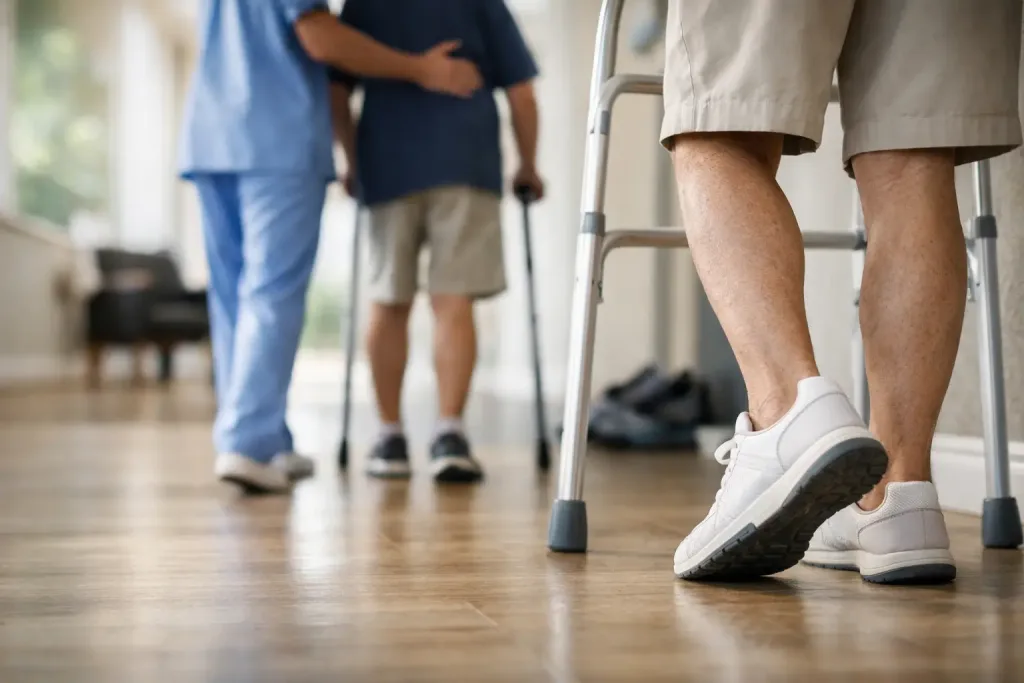
Falls prevention is especially valuable when the feet feel numb. Keep walkways clear, use adequate lighting, take time when changing positions, and consider support devices if recommended. Check shoes for worn soles or loose backs that can make balance less secure.
Feet & Life provides professional foot and lower-limb care in Barrie for people who need help monitoring high-risk feet, managing difficult nails and skin concerns, reducing pressure, and maintaining comfortable movement. A personalized appointment can turn a vague concern like “my feet just feel different” into a clear, practical plan.
Your feet carry you through ordinary moments that matter: getting to the kitchen safely, walking the dog, working a shift, visiting family, or staying active in your community. With attentive daily checks and timely professional support, numbness does not have to quietly take those moments away.