
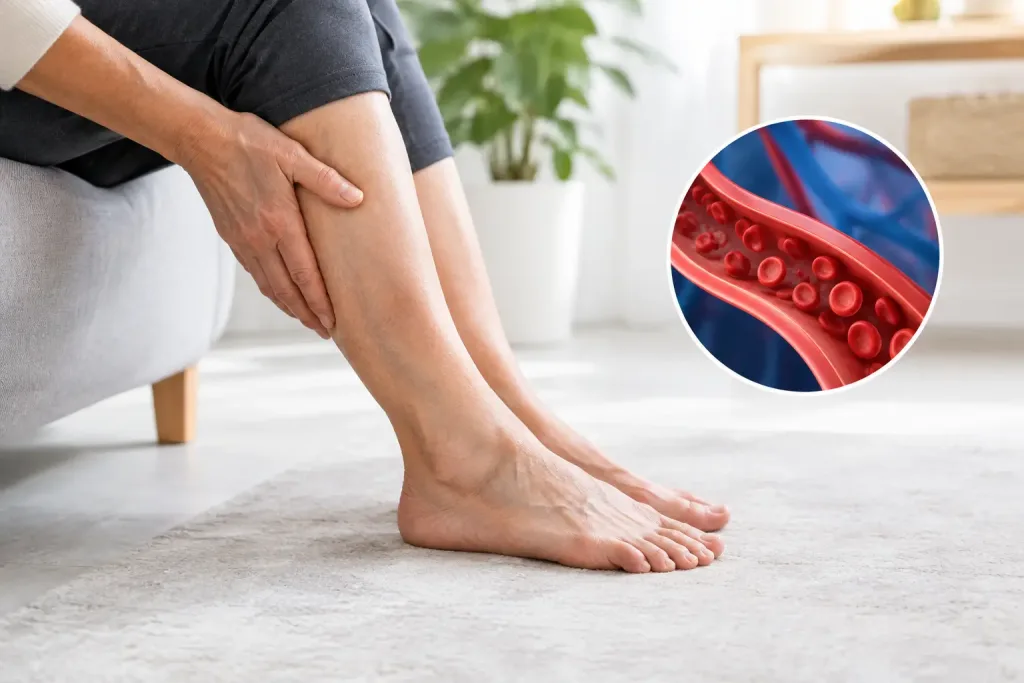
A sock mark that lingers, ankles that swell by evening, calves that ache on a walk, or feet that stay cold under a blanket can all raise questions about leg circulation. These changes are common, especially with age, long workdays, diabetes, limited mobility, or a history of vein concerns. They are not always dangerous, but they deserve attention when they are new, worsening, one-sided, or affecting your ability to move comfortably.
Good circulation supports more than warm feet. It brings oxygen and nutrients to the skin and muscles, carries fluid back toward the heart, and helps protect tissue from breakdown. When circulation is reduced or fluid is not moving effectively, the lower legs and feet can become uncomfortable, swollen, fragile, or slow to heal.
What healthy leg circulation looks like
Blood reaches the legs through arteries and returns to the heart through veins. Arteries deliver oxygen-rich blood to muscles, skin, and nerves. Veins rely on small one-way valves, along with calf-muscle movement, to move blood upward against gravity. Each step acts like a gentle pump.
That is why long periods of sitting or standing can leave legs feeling heavy. The calf muscles are less active, so fluid can pool in the lower legs. In many cases, symptoms improve with movement, elevation, hydration, and appropriate footwear. However, persistent symptoms can point to venous insufficiency, peripheral artery disease, lymphedema, medication effects, heart or kidney concerns, nerve changes, or another condition that needs assessment.
The feeling of poor circulation is also sometimes confused with neuropathy. Numbness, burning, pins and needles, or reduced awareness of temperature may come from nerve damage rather than a blood-flow problem. Diabetes can affect both blood vessels and nerves, which is one reason regular lower-limb and foot checks are so valuable.
Leg circulation symptoms and what they may mean
Swelling around the ankles and lower legs is often related to fluid buildup. If it develops gradually in both legs and is worse after standing, venous circulation may be contributing. Varicose veins, skin discolouration around the ankles, itching, or a feeling of heaviness can also occur when vein valves are not closing effectively.
Arterial circulation concerns can look different. A person may notice calf, thigh, or buttock pain that begins with walking and improves with rest. Feet may feel unusually cool, appear pale or bluish, or have skin that looks shiny and thin. Wounds on the toes or feet that heal slowly require prompt attention, particularly for anyone living with diabetes.
Not every ache is a circulation issue. Arthritis, tendon strain, spinal conditions, poor footwear, and biomechanical stress can all cause leg discomfort. The useful question is not simply, “Is this circulation?” but “What pattern is my body showing?” When symptoms occur, what brings relief, whether one or both legs are affected, and whether the skin has changed can help guide a professional assessment.
Symptoms that should be assessed urgently
Some changes should not wait for a routine appointment. Seek urgent medical care for sudden swelling, pain, warmth, redness, or tenderness in one leg, especially after surgery, prolonged travel, illness, or reduced mobility. These can be warning signs of a blood clot.
Sudden severe pain, a cold or pale foot, new weakness, or loss of sensation may signal a serious reduction in arterial blood flow and also requires emergency assessment. Chest pain, shortness of breath, coughing blood, or fainting alongside leg symptoms are emergencies.
A foot or leg wound that is deep, draining, increasingly red, foul-smelling, or accompanied by fever should be assessed promptly. For people with diabetes, neuropathy, or a past ulcer, even a small blister, cut, or crack deserves early professional attention.
Everyday habits that support circulation
Movement is one of the most practical supports for venous return. You do not need an intense exercise routine to benefit. A short walk, gentle calf raises while holding a counter, ankle circles, or flexing and pointing the feet while seated can activate the lower-leg muscles. Consistency matters more than doing too much at once.
If your work keeps you seated, change position regularly and avoid crossing your legs for long periods. If you stand for much of the day, take brief walking breaks when possible and shift weight deliberately rather than remaining still. Comfortable, properly fitted footwear can make this easier by supporting a stable gait and reducing pressure points.
Elevation may ease mild swelling for some people. Resting the legs above heart level for a short period can help fluid move back toward the body. It is helpful after a long day, but it is not a substitute for assessment when swelling is persistent, painful, sudden, or associated with skin changes.
Skin care also matters. Dry, fragile skin is more likely to crack, creating an entry point for infection. Wash and dry the feet carefully, including between the toes, and moisturize dry areas while avoiding lotion between toes. Check the tops, soles, heels, and spaces between toes every day if you have diabetes, neuropathy, reduced vision, or difficulty reaching your feet.
Compression therapy is helpful for some, not everyone
Compression stockings can be an effective part of managing venous swelling, heaviness, and certain vein-related symptoms. They apply graduated pressure that can support vein function and reduce fluid accumulation in the lower legs. The right style, length, and compression level depend on the person, their symptoms, and their medical history.
Compression is not automatically appropriate when arterial blood flow is significantly reduced. It also needs careful consideration for people with certain heart conditions, severe neuropathy, active infection, marked skin fragility, or wounds. A stocking that is too tight, poorly fitted, rolled at the top, or worn over an unassessed wound can create pressure and skin damage rather than relief.
Professional fitting is especially worthwhile if you have trouble putting stockings on, have arthritis in your hands, swelling that changes through the day, or sensitive skin. There are donning aids and garment options that can make compression more realistic to use consistently.
Why foot care is part of circulation care
The feet are often where circulation and nerve concerns become visible first. Reduced blood flow can slow healing. Neuropathy can make it harder to feel a pebble in a shoe, a blister, or a developing pressure area. Swelling can change shoe fit and create rubbing that was not there before.
Routine nail and skin care is not merely cosmetic for people at higher risk. Thick nails, calluses, corns, cracked heels, and fungal changes can become painful or lead to skin breakdown when self-care is difficult. Cutting nails too closely or attempting to remove hard skin with sharp tools can be risky when sensation or circulation is reduced.
A lower-limb assessment can look at skin temperature and colour, swelling, sensation, pulses where appropriate, footwear, gait, pressure areas, and any wounds or nail concerns. The goal is to identify risks early and create a plan that protects comfort, mobility, and skin integrity.
When to book a professional assessment
Arrange an assessment if swelling is ongoing, leg discomfort is limiting your walking, your feet are repeatedly cold or changing colour, or you have varicose veins with aching, itching, or skin changes. It is also wise to book if a cut or blister is slow to heal, or if you have diabetes and have not had your feet checked recently.
Bring a clear picture of your symptoms: when they started, whether they occur in one or both legs, what activities trigger them, and any medications or medical conditions you manage. This helps distinguish between vascular, nerve, skin, musculoskeletal, and systemic causes. You may be referred to your primary care provider or another medical service when testing or treatment beyond foot and lower-limb care is needed.
At Feet & Life in Barrie, individualized foot and lower-limb care can help identify preventable risks, support safe skin and nail care, and guide appropriate compression and mobility strategies. The best plan is rarely one-size-fits-all. A person recovering from a sprain needs different support than someone living with diabetes, chronic swelling, or reduced sensation.
Your legs carry you through work, family life, errands, and the routines that protect independence. Paying attention to early changes in comfort, swelling, skin, and sensation is a practical way to keep that foundation strong. If something feels different, especially if it is persistent or progressing, getting it checked is a caring next step.