
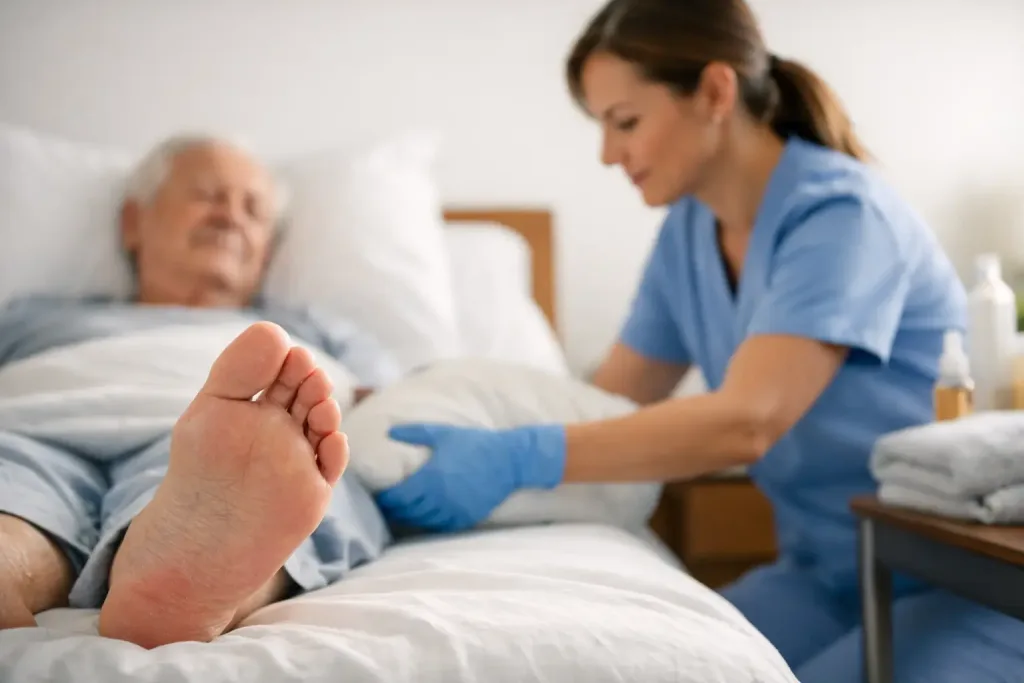
A pressure sore can begin as a patch of redness on a heel, tailbone, hip, ankle, or elbow that does not fade after pressure is removed. For someone with reduced mobility, diabetes, neuropathy, or poor circulation, that small change can progress faster than expected. This preventing pressure sores guide focuses on practical daily care that protects skin integrity, comfort, mobility, and independence.
Pressure sores are also called pressure injuries or bed sores. They develop when pressure, friction, shear, or moisture damages the skin and the tissue underneath it. They are not simply a concern for people confined to bed. Anyone who spends long periods sitting in a chair, uses a wheelchair, has difficulty changing position, or cannot feel discomfort reliably may be at risk.
Why pressure sores can become serious
Healthy skin has a good blood supply and can usually tolerate normal movement and short periods of pressure. When pressure is prolonged, tiny blood vessels can become compressed. Oxygen and nutrients cannot reach the tissue as effectively, and waste products are not cleared away. Skin may then become inflamed, break down, and form an open wound.
Risk is higher when circulation or healing is already compromised. Diabetes, peripheral neuropathy, peripheral arterial disease, swelling in the legs, dehydration, malnutrition, recent illness, arthritis, stroke-related weakness, dementia, and vision impairment can all make prevention more difficult. People may not notice pain or may be unable to shift their weight safely without help.
Moisture adds another challenge. Perspiration, urine, stool, wound drainage, or damp clothing can soften and weaken the skin. Friction occurs when skin rubs against bedding, footwear, or a chair surface. Shear happens when the body slides downward while the skin stays in place, such as when a person slips down in bed. These forces can damage deeper tissue even when the surface of the skin initially looks intact.
Start with a daily skin check
A brief skin check is one of the most useful habits in a preventing pressure sores routine. Check areas that bear weight or rub against a surface, especially the heels, ankles, knees, hips, tailbone, buttocks, elbows, shoulder blades, and any area under a brace, compression garment, or medical device.
Look for redness, darker or discoloured skin, warmth, coolness, swelling, hardness, tenderness, blisters, cracks, or drainage. On darker skin tones, a pressure injury may not appear bright red. It may look purple, blue, grey, darker than surrounding skin, or feel firmer, warmer, or cooler than usual.
If a person cannot inspect their own feet, heels, or lower back, a family member, caregiver, or care provider can help. Use good lighting and a handheld mirror when appropriate. Do not massage a red or discoloured bony area, as this can further injure vulnerable tissue.
A spot that remains red or discoloured after pressure is relieved deserves attention. An open area, blister, black tissue, unusual odour, spreading redness, fever, increasing pain, or new drainage needs prompt clinical assessment. For people with diabetes or poor circulation, it is safer to act early rather than wait for a wound to worsen.
Reposition before discomfort becomes damage
Regular movement reduces prolonged pressure and supports circulation. The right schedule depends on the person’s mobility, skin condition, chair or mattress, health status, and ability to feel discomfort. There is no single repositioning timetable that suits everyone.
For a person in bed, changing position frequently and using pillows or positioning aids can reduce pressure on bony areas. A slight side-lying position is often more protective than lying directly on the hip. Keep the heels floating free of the mattress by supporting the lower legs with a pillow placed beneath the calves, not directly beneath the heels.
For someone who sits for long periods, small weight shifts can make a meaningful difference. If they can do so safely, they may lean from side to side, change their seated posture, stand briefly, or use prescribed pressure-relieving techniques. A properly fitted wheelchair cushion or chair cushion may help, but it does not replace regular movement or skin checks.
Avoid dragging a person across bed linens or sliding them when repositioning. Use appropriate transfer techniques and assistive equipment to reduce friction and shear. Raising the head of the bed too high for long periods can also increase sliding toward the foot of the bed, so positioning should balance comfort, breathing needs, and skin protection.
Protect heels, feet, and lower legs
Heels are particularly vulnerable because they have little natural padding and may stay pressed against a mattress or recliner for hours. Heel pain, redness, a blister, or dark discolouration should never be dismissed as a minor irritation, especially in a person with diabetes, neuropathy, or reduced circulation.
Choose socks and footwear that fit without tight seams, bunching, or pressure points. Check inside shoes before putting them on for stones, rough edges, or folded insoles. Do not use heating pads or hot water bottles on numb feet, as burns can occur without being felt.
Compression therapy can be helpful for some people with leg swelling or venous circulation concerns, but it is not appropriate for every circulation condition or every wound. Compression garments should be correctly selected and applied by a qualified professional, particularly when there is arterial disease, neuropathy, fragile skin, or a new skin change.
Manage moisture without over-drying the skin
Keep skin clean and dry, but avoid harsh soaps, very hot water, and vigorous rubbing. Pat the skin dry carefully, including between the toes when appropriate. A gentle moisturizer can help prevent dry, cracked skin on the legs and feet, but it should not be applied between the toes where excess moisture can encourage skin breakdown or fungal concerns.
For incontinence, timely cleansing and changing of briefs, pads, linens, or clothing is essential. Barrier products may protect skin exposed to urine or stool. The best product and routine depend on the person’s skin sensitivity, continence needs, and existing wounds, so individualized guidance matters.
Wrinkle-free bedding, breathable clothing, and well-fitted garments reduce rubbing. If a brace, oxygen tubing, compression garment, or other device leaves a mark that does not fade, have its fit reviewed rather than simply tolerating the pressure.
Support skin healing from the inside
Skin needs adequate fluid, calories, protein, vitamins, and minerals to stay resilient and repair itself. Poor appetite, swallowing problems, illness, dental pain, or restrictive diets can quietly increase pressure-injury risk. Older adults may also drink less because they are trying to limit bathroom trips, which can contribute to dehydration.
A registered dietitian or primary care provider can help when weight loss, poor intake, diabetes management, kidney disease, or wound healing creates competing nutrition needs. The goal is not a one-size-fits-all diet. It is a realistic plan that supports nourishment while respecting medical conditions and personal preferences.
Know when professional wound care is needed
Home prevention is valuable, but not every skin concern should be managed at home. Seek professional assessment for persistent redness, new blisters, broken skin, drainage, odour, increasing swelling, warmth, pain, or signs of infection. Urgent medical care is needed if there is fever, rapidly spreading redness, confusion, severe pain, or a wound that looks black, deep, or infected.
Feet & Life provides nursing-informed foot and lower-limb care for people who need support with skin integrity, diabetic foot risks, circulation concerns, mobility limitations, and wound management. For residents of long-term-care settings and families supporting care at home, regular professional assessment can identify pressure areas and early skin changes before they become harder to treat.
The most protective routine is the one a person can follow consistently: a daily look at the skin, regular movement or assisted repositioning, dry and supported feet, and early help when something changes. Preserving the skin on the heels and lower limbs helps preserve the comfort and confidence needed to keep moving through daily life.