
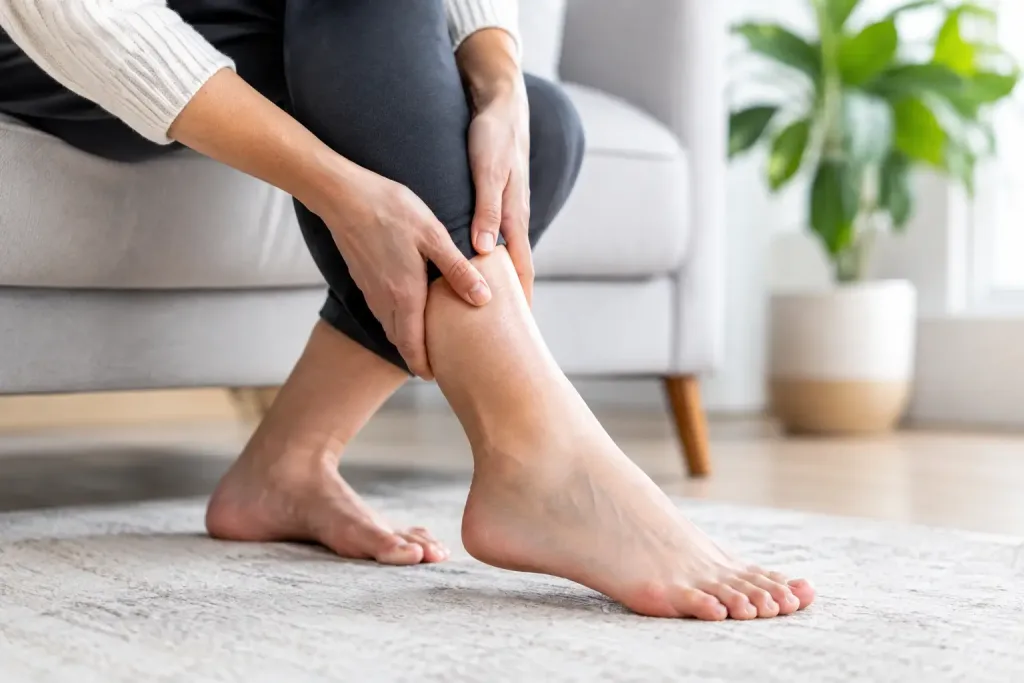
A sock mark that lingers, feet that feel unusually cold, or a small cut that seems to take forever to close can be easy to dismiss. Yet poor circulation signs often appear first in the feet and lower legs, where the body is farthest from the heart and skin is more vulnerable to pressure, injury and delayed healing. Recognizing a change early can help protect comfort, mobility and independence.
Circulation is not one simple process. Arteries carry oxygen-rich blood from the heart to tissues, while veins return blood to the heart. Problems can involve either system, and symptoms such as swelling, colour changes or leg discomfort do not always have one cause. A clinical assessment is the safest way to understand what is happening, especially for people living with diabetes, neuropathy, vascular disease or limited mobility.
What poor circulation can look and feel like
Cold feet or toes
Feet that are persistently colder than the rest of the body, particularly when one foot is noticeably colder than the other, may signal reduced arterial blood flow. Cold feet can also be related to room temperature, footwear, thyroid concerns or nerve changes, so context matters. If coldness occurs with new pain, pale or blue skin, numbness or a weak pulse, it needs timely medical attention.
Changes in skin colour
Healthy circulation helps skin maintain a relatively even tone. Reduced arterial flow may make toes or feet look pale, bluish or purplish, especially when elevated. Some people notice redness or a dusky colour when the foot is lowered again. Venous concerns can produce a different pattern: reddish-brown staining around the ankles and lower legs may develop over time when blood and fluid are not returning efficiently through the veins.
Any sudden, dramatic colour change is not a wait-and-see symptom. A foot that becomes pale, blue, dark, painful or cold quickly should be assessed urgently.
Slow-healing cuts, cracks or sores
Even a small blister, heel crack or nail-edge injury needs attention when healing is slow. Blood delivers oxygen and nutrients required for tissue repair, so impaired circulation can make wounds harder to close and easier to infect. Diabetes can add further risk because reduced sensation may allow an injury to worsen without causing much pain.
Check the bottoms of your feet, between the toes and around the heels regularly if you have diabetes, neuropathy or difficulty bending safely. Do not try to cut away hard skin, dig out an ingrown nail or treat a wound with harsh products at home. Pressure relief, wound assessment and appropriate foot care can make a meaningful difference early on.
Numbness, tingling or burning
Tingling, burning and numbness are commonly linked with peripheral neuropathy, which affects the nerves rather than circulation alone. However, nerve and blood-flow concerns can coexist, particularly in people with diabetes, smoking history, kidney disease or cardiovascular conditions. Numbness creates a practical safety issue: a person may not feel a hot surface, a rubbing shoe or a developing wound.
New numbness, weakness or one-sided symptoms should be evaluated promptly. For ongoing changes, professional foot assessments can help identify pressure areas, skin breakdown and footwear concerns before they become larger problems.
Leg pain with walking or at rest
Cramping, aching or tightness in the calf, thigh or buttock that starts with walking and improves after rest can be a sign of peripheral artery disease. This pattern is sometimes called claudication. It is different from the generalized muscle fatigue that can follow an unfamiliar workout, although an assessment is needed to tell the difference.
Pain that occurs at rest, particularly in the foot or toes at night, can be more concerning when paired with colour or temperature changes. Some people find they instinctively lower the foot over the edge of the bed for relief. Do not assume this is simply part of aging or arthritis.
Swelling, heaviness and visible veins
Ankle or lower-leg swelling can be associated with venous insufficiency, where the valves in leg veins do not move blood back toward the heart effectively. Legs may feel heavy, tired, achy or tight after prolonged standing or sitting. Varicose veins, skin itching and brown discolouration near the ankles may also occur.
Swelling does not automatically mean poor circulation. It may relate to medications, heart or kidney concerns, injury, infection or lymphatic issues. New swelling in one leg, especially with pain, warmth or redness, requires urgent medical assessment because a blood clot must be ruled out.
Why the feet need extra attention
Your feet carry body weight, absorb daily friction and can be harder to inspect as flexibility, vision or balance changes. When circulation is reduced, minor problems can escalate more quickly. A thick nail can press into surrounding skin, a callus can conceal pressure damage, and a shoe seam can create a sore that is not felt until it is advanced.
This is why routine foot care is more than cosmetic. Safe nail care, skin assessment, callus management and footwear guidance can reduce avoidable injury. For people in long-term care, or those with stroke-related limitations, dementia, arthritis or vision impairment, regular professional checks provide another layer of protection when self-care is difficult.
Poor circulation signs that need urgent care
Seek urgent medical help if you develop sudden severe foot or leg pain; a foot that is cold, pale, blue or black; rapidly increasing swelling in one leg; a red, hot, swollen area with fever; or a wound with spreading redness, drainage, odour or darkening tissue. These symptoms can point to a serious circulation problem, infection or clot and should not be managed with home remedies.
People with diabetes should also contact a healthcare provider promptly for any new blister, cut, ulcer, unexplained redness or change in foot shape. Waiting for pain is risky when sensation is reduced.
Practical ways to support lower-limb circulation
The right approach depends on the cause. Walking and ankle movements may support calf-muscle circulation for many people, but exercise plans should fit your health status and balance ability. If standing for long periods is part of your workday, changing position, taking brief movement breaks and choosing properly fitted footwear may reduce discomfort.
Avoid smoking, which damages blood vessels and significantly affects healing. Manage diabetes, blood pressure and cholesterol with your primary healthcare team, since all can influence vascular health. Keep feet clean and dry, moisturize dry skin while avoiding lotion between the toes, and wear shoes that do not rub or compress the toes.
Compression therapy can help some people with venous swelling and heaviness, but it is not appropriate for everyone. When arterial circulation is significantly reduced, compression may be unsafe. Professional guidance is essential before choosing compression socks or wraps, particularly if you have diabetes, known vascular disease, numbness or a history of ulcers.
When an assessment can help
A lower-limb and foot assessment looks beyond the symptom you can see. It may include reviewing skin temperature and colour, checking pulses and sensation, identifying pressure points, examining nails and calluses, and discussing mobility, footwear and health history. If concerns suggest an arterial, venous, cardiac or neurological condition, referral to the appropriate medical provider may be needed.
At Feet & Life, individualized foot-care support can help people in Barrie and surrounding communities manage skin, nail, pressure and mobility concerns with prevention in mind. The goal is not simply to make feet look better for the moment. It is to reduce risks that could interfere with walking, comfort and daily life.
If your feet or legs are changing, trust what you notice. A timely assessment can turn a small concern into a practical care plan before it has the chance to limit the life you want to lead.