
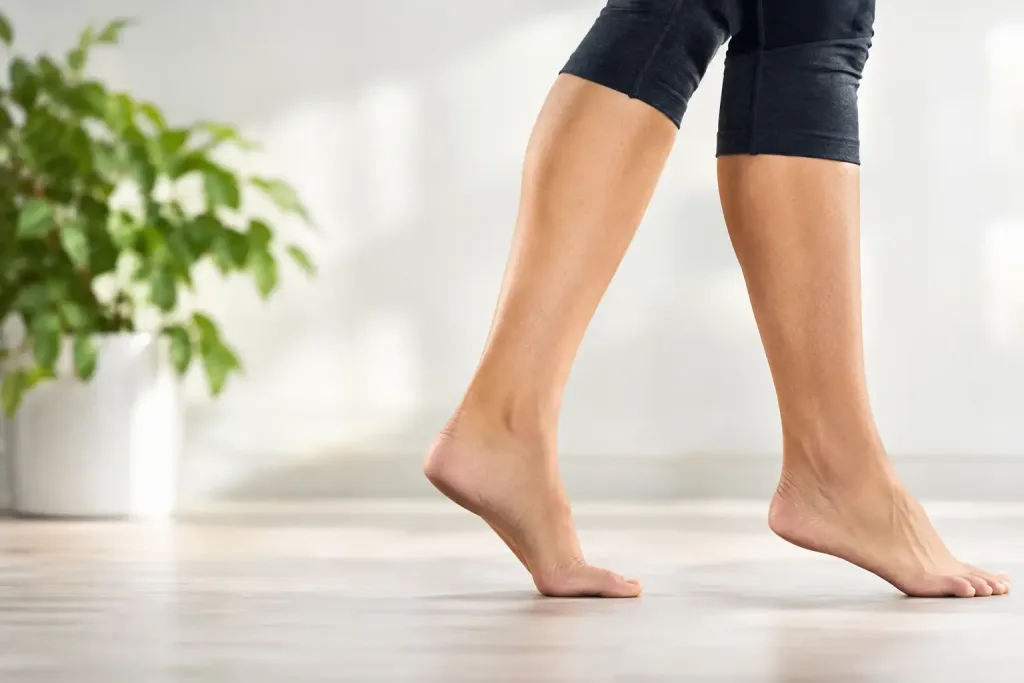
A lower leg circulation guide can be especially useful when your feet feel colder than usual, your ankles are swelling by day’s end, or a small scrape seems slow to heal. These changes are easy to dismiss as part of getting older, sitting too long, or spending hours on your feet. Yet circulation affects the oxygen and nutrients reaching your skin, muscles, and tissues – and it has a direct role in comfort, healing, balance, and independence.
What lower-leg circulation actually means
Your circulatory system has two main jobs in the legs. Arteries carry oxygen-rich blood from the heart down to the feet. Veins carry blood back up to the heart. The calf muscles help with this return trip: every time you walk and flex your ankle, those muscles act like a pump to move blood upward against gravity.
Problems can occur on either side of this system. Reduced arterial blood flow may mean the feet and lower legs are not receiving enough oxygen. Venous problems can make it harder for blood to travel back to the heart, allowing fluid to pool around the ankles and lower legs. Both deserve attention, but they can look and feel different.
Circulation is also closely connected to nerve health, skin integrity, mobility, blood sugar management, and footwear. Someone with diabetes or peripheral neuropathy, for example, may have reduced sensation and not notice a blister or pressure point until it becomes a more serious wound. A person with arthritis, stroke-related weakness, or limited mobility may not move their ankles and calves enough throughout the day to support healthy venous return.
Lower leg circulation guide: signs worth noticing
A single symptom does not always point to a circulation condition. However, recurring changes in the lower legs and feet should be assessed rather than simply endured.
Signs often linked with venous circulation concerns
Venous concerns commonly cause swelling in the ankles, feet, or lower legs, particularly after standing or sitting for long periods. Legs may feel heavy, achy, tired, tight, or restless. Some people notice visible varicose veins, brownish skin discolouration near the ankles, dry or itchy skin, or a gradual change in skin texture.
Swelling that improves overnight but returns through the day can be a pattern worth discussing with a healthcare provider. It may relate to venous insufficiency, but it can also have other causes, including medication effects, heart or kidney concerns, or injury. The right support depends on the cause.
Signs that can suggest reduced arterial flow
Arterial circulation concerns may look different. Feet can feel cool or appear pale, bluish, or unusually shiny. Some people develop pain, cramping, or fatigue in the calves when walking that improves with rest. Pain in the feet or toes while resting, particularly at night, can be more concerning.
Slow-healing sores, reduced hair growth on the legs, fragile skin, or changes in toenail growth can also occur when blood supply is reduced. These signs do not diagnose a condition on their own, but they should not be ignored, especially for people living with diabetes, a history of smoking, high blood pressure, high cholesterol, kidney disease, or known vascular disease.
Numbness is not the same as poor circulation
Cold, tingling, burning, or numb feet are often blamed on circulation, but nerve changes can be the cause. Peripheral neuropathy can reduce feeling, create burning discomfort, or make the feet feel as though they are wearing invisible socks. Because neuropathy and poor circulation can exist together, a professional assessment is valuable. It helps identify whether the priority is vascular support, nerve protection, pressure reduction, wound prevention, or a combination of these.
Everyday habits that support lower-leg health
Movement is one of the most practical ways to encourage healthy blood flow. This does not need to mean a demanding fitness routine. Short, regular movement breaks are often more useful than one long walk followed by hours of sitting. If it is safe for you, walk around your home or workplace, rise onto your toes while holding a counter, and gently point and flex your ankles when seated.
If you spend much of the day standing, change position regularly rather than locking your knees in one place. If you sit for long periods, avoid crossing your legs for extended stretches and make a habit of getting up at intervals. Comfortable, supportive footwear matters too. Shoes that rub, squeeze the toes, or create pressure over swollen feet can damage vulnerable skin.
Elevation can help some people manage mild swelling. Rest with your lower legs supported so they are comfortably raised, rather than dangling from a chair. Hydration, balanced meals, blood sugar management, and not smoking all support vascular health over time. These habits can help, but they do not replace an assessment when symptoms are new, progressive, or affecting daily activities.
Compression therapy may be beneficial for certain venous conditions, swelling, travel, or prolonged standing. However, compression is not right for every person. If arterial circulation is reduced, compression may be unsafe or require specific clinical guidance. People with diabetes, neuropathy, significant swelling, heart concerns, open wounds, or a history of vascular disease should seek professional advice before choosing compression garments.
Why foot checks matter when circulation is reduced
Poor circulation can make the skin more vulnerable and slow the body’s ability to repair damage. A small crack in a heel, an ingrown nail, a blister from a new shoe, or a callus under the ball of the foot can become a larger concern when sensation or healing is impaired.
Check the tops, soles, heels, and spaces between your toes each day if you have diabetes, neuropathy, known circulation concerns, or difficulty feeling your feet. Look for redness, warmth, cuts, drainage, cracks, swelling, colour changes, or areas that remain painful. Use a mirror or ask for assistance if bending, vision changes, or mobility limitations make self-checks difficult.
Avoid treating corns, calluses, or ingrown nails with blades, medicated pads, or harsh chemicals at home. These can injure the skin, particularly when sensation is reduced. Regular professional foot care can reduce pressure, monitor skin changes, manage nails safely, and identify concerns before they interfere with walking or healing.
When lower-leg symptoms need urgent attention
Seek urgent medical assessment for sudden swelling in one leg, especially if it is painful, red, or warm. This can be a sign of a blood clot and should not be managed with home remedies or massage. Sudden severe leg or foot pain, a cold or pale foot, new weakness, or loss of feeling also requires prompt care.
A wound that is draining, increasingly painful, red, warm, foul-smelling, or surrounded by spreading redness needs timely assessment. For people with diabetes, a new ulcer, blackened tissue, or unexplained foot swelling should be treated as urgent. Early care can help prevent infection, hospitalization, and more serious limb complications.
Individualized care protects comfort and mobility
The best plan for lower-leg circulation is based on what is actually happening in your body and daily life. A person whose legs swell after long work shifts may benefit from different strategies than someone with diabetes and reduced sensation, or an older adult with limited walking ability and fragile skin.
At Feet & Life, lower-limb care begins with understanding your symptoms, skin condition, mobility, footwear, health history, and risk factors. Professional foot care, wound monitoring, compression guidance when appropriate, orthotic support, and preventive education can work together to protect the foundation of your independence.
Your legs and feet carry you through every ordinary part of life. If they are becoming painful, swollen, numb, cold, or slow to heal, an early assessment can provide clarity and help you keep moving with greater comfort and confidence.