A thickened toenail that catches on a sock, a painful callus under the ball of the foot, or swelling around the ankles may seem like small concerns. Yet for many adults, these issues can change how safely they walk, how active they feel, and whether they can manage daily routines comfortably. Simcoe County footcare is about more than making feet look or feel better for a few days. It is preventive health care that supports skin integrity, circulation, balance, mobility, and independence.
For someone living with diabetes, neuropathy, arthritis, poor circulation, or limited vision, safe foot care is especially important. For a person who works long shifts on their feet, runs regularly, or experiences recurring heel and arch pain, early assessment can help identify the mechanical stresses that keep bringing symptoms back. The right care depends on the person, their health history, and what their feet are asking them to change.
Why Simcoe County Footcare Matters for Daily Life
Feet carry the body through thousands of steps each day, but they are often overlooked until pain or skin damage becomes hard to ignore. Nails can thicken or curve into the skin. Dry heels can split. Pressure from footwear or an altered walking pattern can create corns, calluses, blisters, and areas of inflammation. When mobility is already reduced, even a minor foot concern can make falls, inactivity, and pain more likely.
The stakes are higher when sensation or circulation is affected. Peripheral neuropathy can reduce the ability to feel heat, friction, cuts, or pressure points. A person may continue walking on a developing blister or wound without realizing it. Reduced blood flow can slow healing, while diabetes can increase the risk that a small break in the skin becomes infected. This is why waiting for severe pain is not always a safe strategy. In some cases, pain is absent precisely because sensation has changed.
Professional foot care provides a chance to look closely at changes that are difficult to see or safely manage at home. It also helps clients understand which concerns are cosmetic, which require monitoring, and which need timely clinical attention.
Routine care is not always routine
Cutting nails may sound straightforward, but it becomes more difficult when nails are thick, brittle, fungal, curved, or close to the skin. It can also be unsafe for people with reduced flexibility, poor vision, tremors, neuropathy, or circulation concerns. An accidental cut can create a problem that takes far longer to heal than it took to occur.
Callus removal requires similar care. A callus is often the body’s response to repeated pressure or friction. Removing surface buildup can improve comfort, but it does not automatically correct the reason it formed. Footwear, activity level, foot structure, gait, and lower-limb alignment may all contribute. Looking at the cause is what makes care more useful over time.
When to Seek Professional Foot Care
Some changes can wait for a regular appointment, while others should be assessed quickly. A new sore, red area, blister, unexplained swelling, skin colour change, drainage, warmth, or increasing tenderness deserves attention, particularly for people with diabetes or known circulation issues. A wound that is not improving, or any concern accompanied by fever or spreading redness, should be addressed promptly through appropriate medical care.
Recurring heel pain, aching arches, pain across the forefoot, ankle discomfort, or leg fatigue also warrant an assessment when they interfere with walking, work, exercise, or sleep. These symptoms may relate to overuse, tendon irritation, plantar fascia stress, arthritis, footwear, or biomechanics. There is no single treatment that fits every case. Rest may be enough for one person, while another may benefit from footwear changes, targeted support, or a more detailed lower-limb care plan.
Fungal nail changes are another common reason to seek care. Nails may become yellow, white, thick, crumbly, or separated from the nail bed. While not every discoloured nail is fungal, assessment can help distinguish likely causes and guide appropriate treatment. The best approach may depend on the extent of the infection, the condition of the nail, a person’s health history, and whether they are able to maintain ongoing care.
What a Professional Foot-Care Appointment Can Address
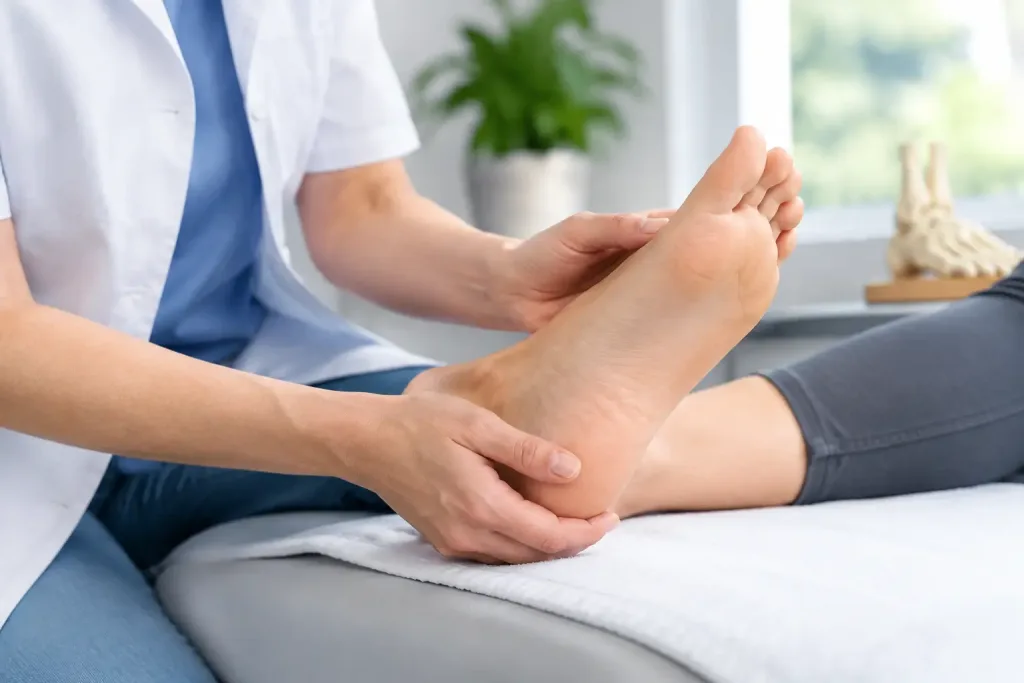
A comprehensive appointment starts with listening. Your health conditions, medications, mobility, footwear, activity demands, previous injuries, and current symptoms all matter. A practitioner can then assess the skin, nails, circulation-related signs, sensation, pressure areas, and how the feet and lower limbs are functioning together.
Routine and medical foot care may include safe nail reduction, management of thickened nails, careful treatment of corns or calluses, and support for dry or cracked skin. For clients who have diabetes, neuropathy, circulation concerns, or a history of wounds, regular monitoring can be an important part of prevention rather than an occasional service.
When a wound or skin breakdown is present, care needs to be more deliberate. Pressure relief, wound assessment, dressing selection, monitoring for infection, and follow-up planning can all affect healing. The goal is not simply to cover a wound, but to understand why it developed and reduce the chance of further damage.
At Feet & Life, care can also extend to concerns affecting the lower leg and the way a person moves. Custom orthotics may be considered when foot mechanics and pressure distribution are contributing to pain or recurring callus formation. Compression therapy may help selected clients manage leg swelling and venous circulation concerns, but it is not appropriate for everyone. Arterial circulation and overall health should be considered before compression is recommended.
Addressing Pain Without Ignoring the Cause
Foot pain is often treated as a local problem, but the source may involve the entire lower limb. A tight calf, reduced ankle movement, weakened supporting muscles, an old injury, or footwear that does not match the shape and needs of the foot can all change how pressure travels through the body.
For example, heel pain can be associated with plantar fascia irritation, but it may also be influenced by long hours standing, abrupt increases in activity, poor shoe support, or limited calf flexibility. Orthotics can be helpful when they improve support and redistribute pressure, but they work best as part of an individualized plan. They are not a replacement for appropriate footwear, activity adjustments, or addressing contributing movement patterns.
Low-level laser therapy and shockwave laser therapy may be considered for certain pain and soft-tissue concerns. These treatments are intended to support tissue recovery and pain management, but results vary. The right option depends on the diagnosis, duration of symptoms, tissue involved, and the person’s ability to follow a broader care plan. Honest care means recognizing that there is no single technology or product that resolves every type of foot pain.
Everyday Habits That Help Protect Your Feet
Professional care is strongest when paired with practical routines at home. A brief daily foot check can help you spot changes before they become more serious, especially if feeling in your feet is reduced. Look at the tops, soles, heels, and spaces between the toes. If bending is difficult, a mirror or help from a trusted family member can make the check more realistic.
Choose shoes with enough room in the toe box, a stable sole, and no rough seams that rub against the skin. New footwear should be introduced gradually, particularly when sensation is reduced. Avoid walking barefoot outdoors or on hot surfaces if you have neuropathy, and do not use sharp tools, corn removers, or harsh chemicals to treat skin buildup at home.
Keeping skin clean and gently moisturized can reduce cracking, although cream should not be placed between the toes where excess moisture can contribute to skin problems. Socks should be changed regularly, and damp footwear should be dried before being worn again. These small habits are practical protection, not perfection.
Care That Supports Independence
Foot concerns can affect much more than comfort. They can determine whether someone feels confident walking to the store, participating in exercise, working a shift, visiting family, or moving safely around their home. This is particularly meaningful for older adults and long-term-care residents, where regular nursing foot care can support dignity, comfort, and safer mobility.
If a nail, wound, pain pattern, swelling issue, or change in sensation is making daily life harder, it is worth arranging an assessment rather than adapting around the problem. Thoughtful foot care helps protect the foundation beneath every step, so comfort and independence remain within reach.