A painful heel with the first steps of the morning, a sore Achilles tendon after a shift on your feet, or a stubborn area of swelling can make every movement feel more complicated. Low level laser therapy is a non-invasive treatment that may help reduce pain and inflammation while supporting the body’s natural tissue-repair processes. For many people, it is most useful as one part of a personalized plan that also considers footwear, circulation, activity demands, biomechanics, medical history, and foot-care needs.
At Feet & Life, we look beyond the location of pain. The foot and lower leg carry the demands of work, exercise, balance, and daily independence. When symptoms persist, the goal is not simply temporary relief. It is to understand what may be stressing the tissue and choose care that supports safer, more comfortable movement.
What Is Low Level Laser Therapy?
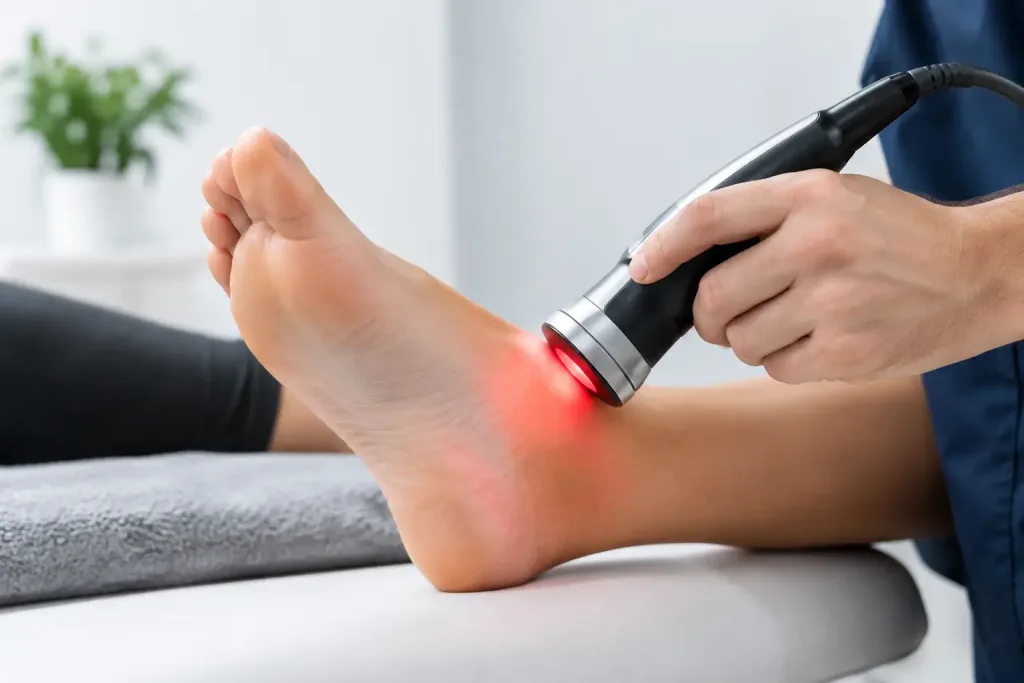
Low level laser therapy, also called photobiomodulation therapy, uses specific wavelengths of light delivered at a low intensity. Unlike surgical lasers, it does not cut, burn, or remove tissue. The light is applied to a targeted area of the body to encourage cellular activity associated with healing and inflammation management.
During treatment, light energy is absorbed by cells in the affected tissue. This may influence cellular energy production, circulation in the treated area, and chemical signals involved in inflammation and repair. The result for some clients can be less discomfort, reduced stiffness, or improved tolerance for movement over time.
The word “laser” can sound intimidating, but treatment is generally comfortable. Most people feel little to no sensation during an appointment. Depending on the device and the area being treated, you may notice gentle warmth, though the therapy should not feel painful.
When Low Level Laser Therapy May Help
Laser therapy is often considered for soft-tissue and musculoskeletal concerns affecting the feet and lower limbs. It may be recommended when pain, inflammation, or slow recovery is limiting comfortable movement. Common examples include plantar fasciitis, heel pain, Achilles tendinopathy, ankle sprains, shin discomfort, arthritis-related pain, muscle strain, and certain overuse injuries.
It can also be considered as part of care for people with chronic foot discomfort related to long hours of standing, walking, running, or repetitive workplace demands. A runner with persistent tendon irritation needs a different approach than a retail worker whose feet ache after standing all day. In both cases, laser therapy may be one helpful tool, but it does not replace identifying the load, footwear, gait pattern, or recovery habits contributing to the problem.
For clients with diabetes, neuropathy, circulation concerns, or a history of wounds, assessment matters even more. Reduced sensation can make it difficult to notice injuries early, while poor circulation can delay healing. Laser therapy may be considered in some care plans, but any open area, colour change, drainage, increasing redness, odour, or sudden pain requires prompt professional assessment. A treatment device should never be used to delay evaluation of a possible infection, ulcer, fracture, or vascular problem.
Why a Clinical Assessment Comes First
Foot and lower-limb pain can have many causes. Heel pain may involve plantar fascia irritation, but it can also relate to nerve irritation, arthritis, a stress injury, poor footwear support, or altered walking patterns. Calf or lower-leg pain may be muscular, yet sudden one-sided swelling, warmth, or tenderness can require urgent medical attention.
That is why a thorough assessment comes before deciding whether laser therapy is appropriate. Your practitioner may ask when symptoms began, which movements aggravate them, whether there was an injury, and whether you experience numbness, burning, swelling, or changes in skin colour. They may also assess the skin, nails, circulation, sensation, footwear, joint movement, and pressure patterns through the feet.
This wider view helps guide treatment safely. For example, a person with plantar heel pain may benefit from laser therapy alongside stretching, footwear changes, pressure relief, and custom orthotic support where appropriate. Someone recovering from an ankle sprain may need gradual strengthening and balance work rather than relying on passive treatment alone. The right plan depends on the diagnosis, the stage of healing, and your day-to-day demands.
What to Expect During Treatment
A laser therapy appointment is usually straightforward. The treatment area is exposed, and the laser applicator is placed against or close to the skin over specific points. Protective eyewear may be used, particularly when working near the face or when required by the equipment protocol.
The length and number of sessions vary. An acute concern may respond differently than pain that has been present for months or years. Tissue type, severity, general health, circulation, and how consistently contributing factors are addressed can all affect progress. Some clients report a change after a few visits, while others need a series of treatments before they notice meaningful improvement.
Your practitioner should explain what improvement looks like for your situation. It may mean less pain when getting out of bed, fewer symptoms after walking, better ankle movement, reduced tenderness, or an increased ability to complete daily activities. Progress is not always a straight line. A busy week, a return to sport too quickly, or continued pressure from poorly fitting footwear can flare symptoms again.
Benefits and Limits to Keep in Mind
One of the main advantages of laser therapy is that it is non-invasive. There are no incisions, injections, or recovery time required after a typical session. Many clients can return to normal activities right away, with guidance on whether they should temporarily modify exercise or reduce repetitive strain.
Research into photobiomodulation is promising for certain pain and soft-tissue conditions, but results are not identical for everyone. Effectiveness can depend on the condition being treated, the laser settings, treatment frequency, and the quality of the overall care plan. It is not a cure-all, and it cannot correct every structural or medical cause of pain.
Laser therapy works best when it is used purposefully. If an inflamed tendon is repeatedly overloaded, reducing inflammation without changing the overload may only offer short-lived improvement. If a painful callus is caused by pressure from a deformity or unsuitable shoe, the pressure must also be addressed. Good care combines symptom relief with prevention.
Who Needs Extra Caution?
Low level laser therapy is not appropriate in every circumstance. Your practitioner should review your health history and current concerns before treatment. Certain areas may need to be avoided, including over known or suspected cancerous lesions, active bleeding, or the thyroid region. Pregnancy, photosensitivity, some medications, and particular medical conditions may also affect whether treatment is suitable or how it is delivered.
Tell your provider about any recent surgery, implanted medical device, history of cancer, changes in sensation, blood-thinning medication, or unexplained symptoms. This is particularly important for older adults and people managing multiple health conditions. Safe care starts with clear information and realistic expectations.
Supporting Better Results Between Visits
The body needs the right conditions to recover. Following your treatment recommendations can make a meaningful difference. This may include wearing supportive, properly fitted shoes; using orthotics or compression when prescribed; pacing activity; completing gentle mobility or strengthening exercises; and protecting areas of reduced sensation from friction and pressure.
Daily foot checks are especially valuable for people living with diabetes or neuropathy. Look for redness, cracks, blisters, drainage, cuts, pressure marks, or changes around the nails. Do not try to manage a suspicious wound, ingrown nail, or infected area at home. Early care can protect skin integrity and help prevent a small concern from becoming a serious complication.
Pain is information, not a personal failure. Whether you are trying to stay active, return to work comfortably, or protect your independence as you age, the best next step is an assessment that takes your whole health picture seriously. With individualized support, low level laser therapy may have a useful place in helping your feet and lower limbs carry you forward with greater comfort and confidence.