
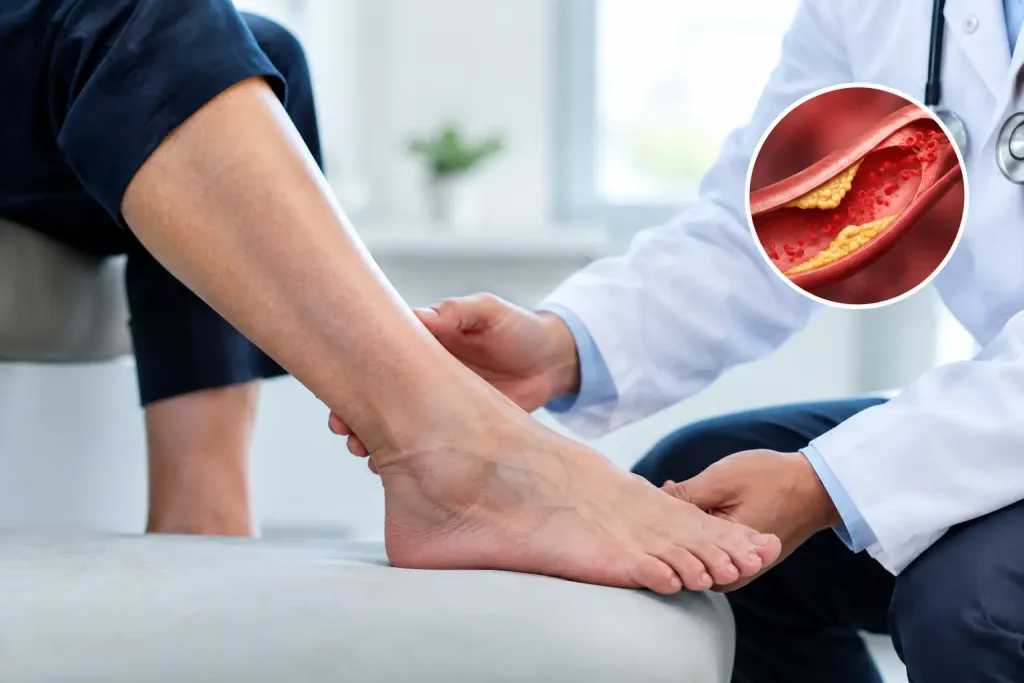
A cramp in the calf that starts when you walk and settles when you rest can be more than a sign of getting older or being out of shape. It may be a circulation warning. This guide to peripheral arterial disease explains how reduced blood flow can affect your legs and feet, why early care matters, and what practical steps can help protect mobility, healing, and independence.
What is peripheral arterial disease?
Peripheral arterial disease, often called PAD, occurs when arteries that carry blood to the legs and feet become narrowed or blocked. The most common cause is a buildup of fatty deposits inside the artery walls, known as atherosclerosis. When less oxygen-rich blood reaches the muscles and skin, walking can become painful, wounds may heal slowly, and the risk of serious foot complications rises.
PAD is not simply a leg problem. It can be a sign of atherosclerosis elsewhere in the body, including the arteries supplying the heart and brain. That is why assessment should involve a primary care provider or vascular specialist, particularly when symptoms are new, worsening, or paired with cardiovascular risk factors.
Peripheral arterial disease is different from venous circulation concerns, such as varicose veins or leg swelling caused by poor vein function. Arteries carry blood away from the heart; veins return it. Both can affect lower-limb comfort and skin health, but they require different assessment and treatment approaches.
Who is more likely to develop PAD?
The likelihood of PAD increases with age, but it is not an inevitable part of aging. Smoking is one of the strongest risk factors. Diabetes, high blood pressure, high cholesterol, kidney disease, and a personal or family history of heart disease or stroke can also raise risk.
People living with diabetes need particular vigilance. Diabetes can affect blood vessels and nerves at the same time. A person may have reduced circulation yet feel little pain from a blister, pressure point, cut, or ingrown nail because neuropathy has reduced sensation. This combination can allow a small injury to become a difficult wound before it is noticed.
Limited mobility, arthritis, vision changes, stroke-related weakness, and difficulty reaching the feet can also make daily foot checks harder. In these situations, regular professional foot care can play a valuable preventive role.
Signs and symptoms worth taking seriously
Classic PAD discomfort is called claudication. It often feels like cramping, aching, heaviness, or fatigue in the calf, thigh, buttock, or foot during walking. It tends to occur at a predictable level of activity and improve after a few minutes of rest. The location can depend on where an artery is narrowed.
Not everyone experiences the classic pattern. Some people become less active without realizing that leg discomfort is limiting them. Others mistake symptoms for arthritis, back pain, or normal aging. Watch for changes such as:
- Pain in the feet or toes while resting, especially at night or when lying down
- One foot that feels noticeably cooler than the other
- Pale, bluish, or unusually red skin colour in the foot or toes
- Shiny skin, reduced hair growth on the legs, or thickened nails
- A cut, sore, or ulcer that is slow to heal
- Weak or absent pulses in the feet, as identified by a clinician
These signs do not confirm PAD on their own, but they deserve assessment. Foot pain has many possible causes, including nerve irritation, joint disease, tendon problems, pressure from footwear, and circulation changes. A careful examination helps determine what is happening rather than simply treating the symptom.
When to seek urgent medical care
Sudden severe leg or foot pain, a cold or pale limb, new numbness or weakness, or an inability to move the foot can signal an acute circulation emergency. Seek emergency medical attention right away.
A foot wound that is blackening, rapidly worsening, draining, foul-smelling, increasingly painful, or surrounded by spreading redness also needs prompt medical assessment. For people with diabetes or known circulation problems, it is safer to act early than to wait for a wound to become severe.
How PAD is assessed
Assessment begins with a conversation about symptoms, walking tolerance, medical history, medications, smoking, and previous wounds. A clinician may examine skin colour and temperature, check for swelling or pressure areas, and assess pulses in the feet.
One common test is the ankle-brachial index, or ABI. It compares blood pressure readings at the ankle and arm to estimate how well blood is reaching the lower legs. In some people, especially those with diabetes or kidney disease, artery walls may be stiff and the ABI can be less reliable. Toe pressure testing, Doppler ultrasound, or other vascular studies may then be useful.
A foot-care assessment also looks beyond circulation. Nail shape, callus buildup, footwear fit, foot structure, sensation, balance, and walking pattern can all influence whether the skin stays protected. The goal is to understand the whole picture: blood flow, nerve function, pressure, mobility, and a person’s ability to care for their feet safely at home.
Treatment focuses on blood flow and risk reduction
PAD treatment depends on symptom severity, test results, medical history, and the presence of wounds. A physician may recommend medications to manage cholesterol, blood pressure, blood sugar, or blood clot risk. Smoking cessation is one of the most meaningful changes a person can make for circulation and overall cardiovascular health.
Structured walking is often part of treatment for stable claudication. It may seem counterintuitive to walk when walking causes discomfort, but a clinician-guided program can help the muscles use oxygen more efficiently and improve walking distance over time. The right approach depends on the person. Someone with an open wound, severe rest pain, major balance concerns, or advanced joint pain needs individualized guidance rather than a generic exercise plan.
For significant blockages, persistent lifestyle-limiting symptoms, or wounds that are not healing, a vascular specialist may consider procedures to restore blood flow. These can include minimally invasive catheter-based treatments or surgery. Procedures can be highly beneficial in the right setting, but ongoing foot protection and cardiovascular risk management still matter afterward.
Daily foot care with PAD
Healthy skin is a critical line of defence when circulation is reduced. Check the tops, soles, heels, and spaces between the toes every day. Use a mirror or ask for help if bending, vision, or balance makes this difficult. Look for redness, cracks, blisters, drainage, calluses, nail changes, or areas that feel tender.
Wash and dry feet gently, particularly between the toes. Moisturizer can help prevent dry, cracked skin, but avoid applying it between the toes where excess moisture can contribute to skin breakdown. Choose clean, well-fitting socks and supportive shoes with enough room in the toe box. Before putting shoes on, check inside for seams, gravel, or objects that could create pressure.
Do not use heating pads, hot water bottles, or very hot foot baths to warm cold feet. Reduced sensation can make burns easier to miss. Avoid treating corns, calluses, or ingrown nails with over-the-counter acids or sharp tools, especially if you have diabetes, reduced feeling, or known circulation concerns. What appears to be a small home-care task can create an opening in the skin that heals poorly.
Compression therapy can be helpful for some forms of leg swelling and venous disease, but it is not automatically appropriate when arterial circulation is reduced. Before using compression stockings, seek professional advice so the level and suitability of compression can be assessed safely.
Building a care plan that protects independence
PAD management works best when it is consistent and personalized. Medical care addresses artery health and cardiovascular risk. Regular foot care helps reduce pressure, identify skin changes early, manage nails and calluses safely, and support comfortable movement. Appropriate footwear, orthotics when indicated, and mobility support may further reduce strain on vulnerable areas of the feet.
At Feet & Life, a nursing-informed foot assessment can help identify changes that need medical follow-up while providing safe ongoing care for nails, skin, pressure areas, and foot comfort. This is especially valuable for older adults, people living with diabetes or neuropathy, and anyone who finds self-care difficult.
Your feet often show the effects of circulation changes before they become impossible to ignore. Paying attention to a new walking limit, a persistent cold foot, or a slow-healing sore can be a practical step toward protecting the independence and comfort that keep life moving.