
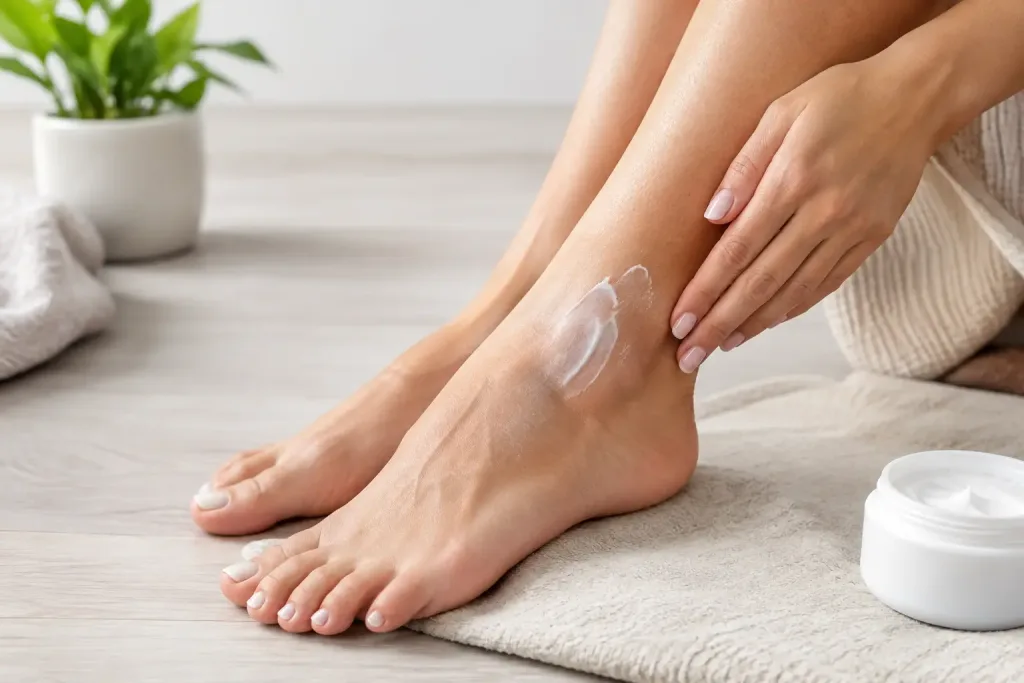
A small crack at the heel, a blister from a familiar shoe, or redness that does not fade can become much more than a minor discomfort when skin is fragile. Knowing how to protect fragile skin means looking beyond moisturizers alone. It involves reducing friction and pressure, supporting circulation, checking for early changes, and getting professional help before a small concern becomes a wound or infection.
Fragile skin is common as we age, but it can also be linked with diabetes, poor circulation, neuropathy, swelling, arthritis, certain medications, and reduced mobility. On the feet and lower legs, these factors can affect how well skin tolerates pressure and how quickly it heals. Thoughtful daily care protects comfort, mobility, and independence.
Why Skin on the Feet Becomes Fragile
Healthy skin acts as a barrier against moisture loss, bacteria, friction, and injury. When that barrier becomes thinner, drier, or poorly supplied with blood, it can tear more easily. Feet are particularly vulnerable because they carry body weight, spend long hours inside shoes, and may be harder to see or reach safely.
Diabetes deserves particular attention. High blood glucose can affect circulation, immune response, and nerve function. When neuropathy reduces sensation, a person may not feel a rubbing seam, a hot spot, or a small cut. By the time pain appears, the skin may already be damaged. Poor circulation can further slow healing by limiting the oxygen and nutrients that reach tissues.
Swelling in the feet and lower legs can also make skin feel tight, dry, or more likely to split. In some cases, compression therapy may support venous circulation and help manage swelling, but the right type and level of compression depend on a person’s circulation and health history. It should not be treated as a one-size-fits-all solution.
How to Protect Fragile Skin Every Day
The most effective routine is gentle, consistent, and realistic enough to maintain. Daily attention can identify problems while they are still small.
Wash gently and dry thoroughly
Wash feet in lukewarm, not hot, water with a mild cleanser. Hot water can dry the skin and may cause burns if sensation is reduced. Avoid soaking feet for long periods, especially if you have diabetes, poor circulation, open areas, or a history of ulcers. Prolonged soaking can soften the skin too much and make it easier to break down.
Pat the feet dry rather than rubbing them. Take extra care between the toes, where trapped moisture can encourage fungal growth and skin maceration. If you cannot safely reach or see your feet, a family member, caregiver, or foot-care professional can help establish a safe routine.
Moisturize the right areas
Apply a fragrance-free foot cream or moisturizer to dry skin on the tops, soles, and heels of the feet. This helps maintain the skin barrier and may reduce cracking. Do not apply cream between the toes, where excess moisture can increase the risk of fungal or bacterial infection.
Very thick callus is not always protective. It can create concentrated pressure beneath the foot and conceal irritation or a developing wound. Avoid using blades, sharp callus removers, or strong chemical corn treatments at home. These products can cause burns or cuts, particularly for people with diabetes, neuropathy, or compromised circulation.
Check your feet before problems grow
A brief daily check is one of the strongest habits for protecting vulnerable skin. Look at the tops, soles, heels, sides, and between the toes. A hand mirror can make the soles easier to inspect. Watch for redness, blisters, cracks, peeling, cuts, drainage, swelling, bruising, or changes in skin colour or temperature.
Pay attention to what is different for you. A new sore spot under the ball of the foot, a toenail pressing into nearby skin, or one foot that is suddenly warmer than the other deserves attention. If you have reduced sensation, visual checks matter even when there is no pain.
Reduce Friction, Pressure, and Injury
Footwear has a direct effect on fragile skin. Shoes should have enough depth and width for the toes, a stable sole, and a secure fit at the heel. A shoe that is slightly too tight can rub the same area with every step. A loose shoe can cause the foot to slide and create blisters. New shoes should be introduced gradually, with a foot check after wearing them.
Choose clean, dry socks without tight elastic bands or prominent seams that can press against the toes. Moisture-wicking materials can be helpful for people whose feet perspire, while softer fabrics may be more comfortable for sensitive skin. Change socks daily and whenever they become damp.
Never walk barefoot, even indoors, if you have neuropathy, diabetes, poor circulation, or a history of foot wounds. A small object, hot surface, or unnoticed bump can injure skin before you realize it. Wear supportive indoor footwear that fits well and protects the sole of the foot.
Pressure management may require more than better shoes. Foot shape changes, bunions, hammertoes, arthritis, and altered walking patterns can shift weight onto small areas of skin. Custom orthotics, padding, or footwear recommendations may help redistribute pressure, but they should be selected after an assessment. The wrong device can create a new pressure point.
Be Careful With Nails, Calluses, and Home Treatments
Fragile skin and nails often need more care than force. Cut toenails straight across if you can see and reach them safely, then gently file sharp corners. Do not cut deeply into the sides of the nail or attempt to remove an ingrown nail yourself. Thick, curved, fungal, or difficult-to-trim nails can injure surrounding skin when managed without proper tools or visibility.
Avoid adhesive pads, medicated wart or corn removers, and aggressive exfoliating devices unless a qualified clinician has recommended them for your situation. A treatment that is harmless for healthy skin may be unsafe for someone with reduced sensation or impaired healing.
If you have difficulty bending, tremors, vision changes, memory concerns, or circulation problems, professional routine foot care is a safer choice. Regular appointments can help manage nails and callus while monitoring skin integrity, circulation concerns, and early signs of infection.
Know When Fragile Skin Needs Prompt Care
Do not wait to see whether a wound will settle on its own if you have diabetes, neuropathy, poor circulation, or previous ulcers. Contact a healthcare professional promptly for a cut, blister, crack, or sore that is open, draining, worsening, or not improving. Seek urgent medical attention for spreading redness, warmth, swelling, pus, fever, red streaking, blackened skin, or sudden colour changes in the foot.
Even intact skin can signal a concern. Persistent redness that does not fade after pressure is removed may indicate excessive rubbing or pressure. Blue, pale, cool, or unusually shiny skin can point to circulation issues. A new area of numbness, burning, or tingling should also be assessed, especially when it affects balance or your ability to notice injury.
Early treatment may include pressure relief, wound care, circulation support, infection management, or a review of footwear and mobility needs. The right plan depends on the cause. For example, swelling related to venous concerns is managed differently from swelling associated with arterial disease, heart conditions, or acute injury.
Make Foot Care Part of Whole-Body Prevention
Skin health is closely connected to mobility, circulation, nutrition, hydration, blood glucose management, and the ability to care for your feet safely. Staying active within your physical abilities supports circulation and strength, while well-fitting footwear helps make movement more comfortable. If you smoke, seeking support to stop can also benefit circulation and healing.
For people living with diabetes or chronic lower-limb concerns, routine professional foot assessments are preventive care, not an optional extra. A nursing-informed foot-care provider can identify risks that are easy to miss at home and tailor care around sensation, circulation, skin condition, footwear, and mobility.
At Feet & Life in Barrie, individualized foot-care support can help people throughout Simcoe County protect vulnerable skin while maintaining the comfort and confidence to stay active. A small daily check and timely professional attention can make a meaningful difference when your feet are the foundation of your independence.