
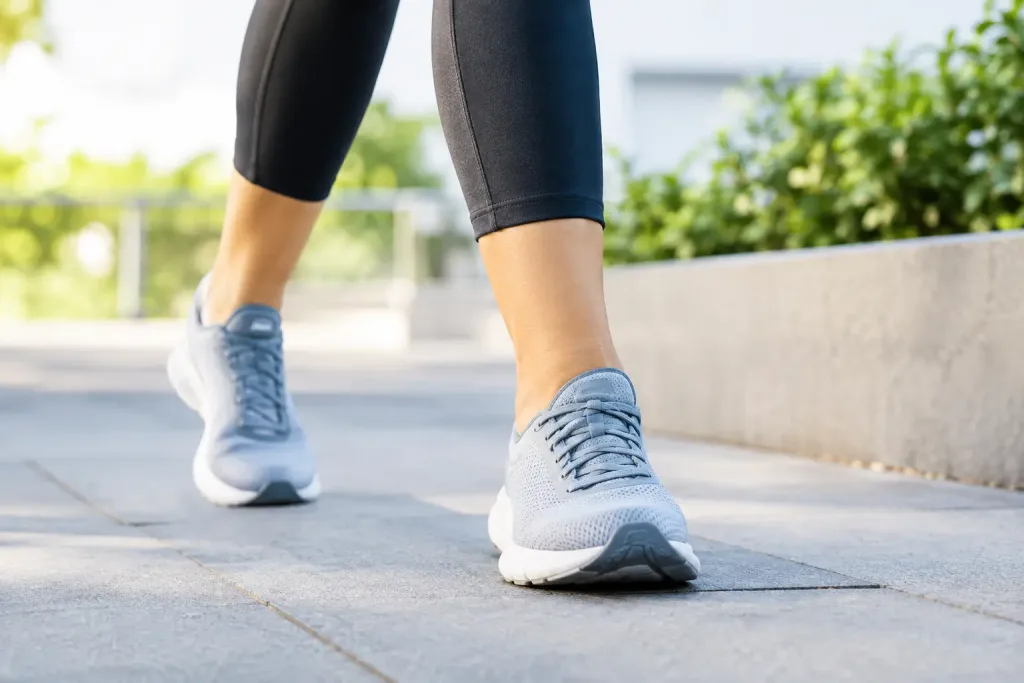
A sharp spot under the ball of your foot, a burning heel after a shift, or toes that feel crowded by midday can all be signs that pressure is not being spread well across your feet. Learning how to reduce foot pressure is about more than finding a softer shoe. It means identifying why certain areas are taking too much load, then protecting the skin, joints, muscles, and circulation that keep you moving safely.
For some people, foot pressure is mainly an activity or footwear issue. For others, it is connected to arthritis, diabetes, neuropathy, swelling, circulation changes, a foot deformity, or altered walking after an injury or stroke. The right solution depends on the cause. Persistent pressure pain deserves attention before it becomes a callus, blister, wound, fall risk, or reason to stop doing the things you enjoy.
Why foot pressure builds up
Your feet absorb force with every step. Walking, standing, climbing stairs, and running all place repeated load through the heel, arch, ball of the foot, and toes. Normally, the structure of the foot, the strength of the lower leg, and a well-fitting shoe distribute that force reasonably well.
Pressure becomes a problem when the load repeatedly concentrates in one place. A high arch may put extra force through the heel and forefoot. Flat feet can strain the arch and inside of the ankle. Bunions, hammertoes, prominent joints, and limited ankle movement can change how your foot meets the ground. Even a small change in gait may shift pressure to the opposite foot, knee, hip, or lower back.
Skin changes often offer an early clue. A thick callus is not simply dry skin. It commonly develops where there is repeated friction or pressure. It may feel hard, tender, or as though you are walking on a pebble. In people with reduced sensation, that same pressure may cause tissue damage without pain acting as an early warning.
How to reduce foot pressure through daily choices
The most helpful changes are usually simple, but they need to match your foot shape, activity level, and health needs. Start by paying attention to when pressure develops. Is it worse after standing at work, during longer walks, in a particular pair of shoes, or first thing in the morning? Patterns help point to the underlying issue.
Choose footwear for fit, not just cushioning
A cushioned shoe can feel good initially but still create pressure if it is too narrow, too shallow, unstable, or worn out. Look for a shoe with enough depth over the toes, a wide and stable base, a secure heel, and a sole that supports your usual activity. Your toes should have room to lie naturally without rubbing against the upper material.
Try shoes later in the day, when feet are often slightly larger from normal swelling. Wear the socks or compression garments you would normally use. If one foot is larger, fit the larger foot. Avoid relying on shoes that are stretched, tilted, or visibly compressed under the heel or forefoot, as their support may no longer be reliable.
There is a trade-off with very soft footwear. Plush slippers and highly flexible shoes can feel comfortable for short periods, but may offer too little structure for someone with instability, heel pain, or significant arch collapse. Conversely, a very firm shoe may aggravate a sensitive bony area. Comfort and control both matter.
Change the load during your day
Standing in one position can be just as demanding as walking. If your work keeps you on your feet, shift positions regularly, take brief sitting breaks when possible, and avoid locking your knees. A small change in posture, a few calf raises, or a short walk can help restore circulation and reduce fatigue in the feet and lower legs.
Increase walking or exercise gradually after a period of inactivity. Sudden jumps in distance, hills, running volume, or court sports can overload tissues before they have time to adapt. Alternate higher-impact activity with cycling, swimming, or another lower-impact option if foot pain begins to build. Rest is useful, but complete inactivity is not always the answer. The goal is to keep moving within a level your body can recover from.
If swelling makes your shoes feel tighter by evening, elevate your legs when appropriate and discuss persistent swelling with a health professional. Compression therapy may help some people with venous circulation concerns, but the right type and compression level must be chosen carefully, particularly when arterial circulation is reduced.
Support pressure points without creating new ones
An insole, cushioning pad, metatarsal support, or custom orthotic may help redistribute pressure away from painful areas. Placement is crucial. A pad that sits directly under a sore spot can increase discomfort; a properly positioned support usually works by shifting load beside or behind the area.
Over-the-counter inserts can be a reasonable starting point for mild, occasional symptoms. They are less likely to be enough when pain is recurrent, there is a clear deformity, one shoe wears down much faster than the other, or you have diabetes, neuropathy, arthritis, or a history of foot wounds. Custom orthotics are not a universal cure, but they can be valuable when an assessment shows that foot mechanics are driving repeated pressure.
Do not cut holes in insoles or stack multiple pads without guidance. This can make the foot unstable, crowd the shoe, or transfer pressure to another vulnerable area.
Protect skin before pressure becomes a wound
Daily foot checks are one of the most effective habits for people at higher risk. Examine the soles, heels, sides of the feet, and between the toes for redness, blisters, cracks, drainage, swelling, calluses, colour changes, or areas that feel warmer than the surrounding skin. A hand mirror can help if bending or vision is difficult, and a family member or caregiver can assist when needed.
Keep skin clean and dry, then moisturize dry areas of the foot while avoiding lotion between the toes. Choose clean, well-fitting socks without tight bands or thick seams that rub. Never use sharp tools, blades, or medicated corn removers to remove a callus yourself, especially if you have diabetes, poor circulation, or reduced sensation. What looks minor on the surface can hide skin breakdown underneath.
If an area becomes red and does not settle after removing the shoe and resting, treat that as a warning. Continuing to walk on a pressure point can turn a small irritation into a deeper injury.
When foot pressure needs professional assessment
Book an assessment when pain lasts more than a few days, returns regularly, changes how you walk, or limits work, exercise, or sleep. A clinician can assess footwear, gait, joint movement, skin integrity, circulation, sensation, swelling, and the specific points where your foot is overloaded. Treatment may include safe callus reduction, footwear recommendations, custom orthotics, offloading strategies, lower-limb care, and a plan that fits your mobility and health history.
Urgent attention is needed for an open sore, drainage, spreading redness, warmth, sudden swelling, black or blue skin, fever, or a foot that becomes unusually painful. People living with diabetes, neuropathy, poor circulation, kidney disease, or immune suppression should seek care promptly for any new blister, cut, or persistent red spot. Pain is not a dependable measure of severity when sensation is reduced.
At Feet & Life, care begins with the question behind the discomfort: why is this area under pressure, and what will help protect it over time? Addressing the source early can support safer walking, greater independence, and confidence in every step.
Your feet carry you through work, family life, exercise, and the routines that make up a good day. If pressure is changing the way you move, do not wait for it to become a bigger limitation. A tailored plan can make each step feel more secure and more comfortable.