
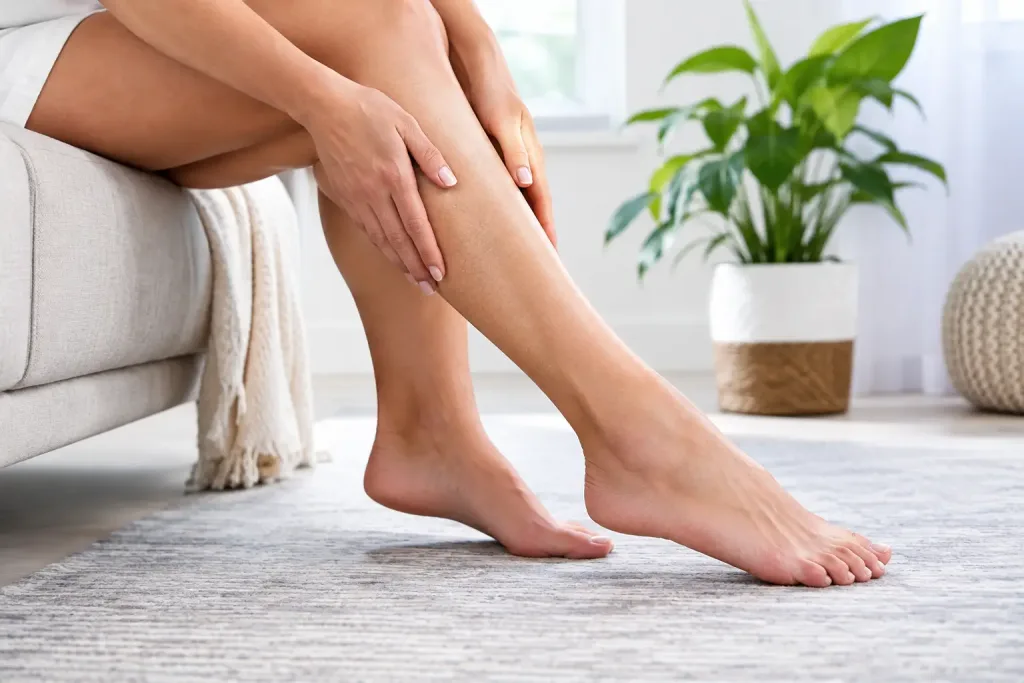
By the end of a long day, heavy, aching legs and sock marks that linger may feel like an ordinary part of getting older or spending hours on your feet. They can also be early signs that the veins in your legs need support. Thoughtful venous leg care focuses on improving day-to-day comfort while protecting the skin and tissues from the complications that can develop when circulation is not working efficiently.
The goal is not simply to make swelling disappear for a few hours. Good care considers why swelling is happening, whether the skin is at risk, how mobility affects circulation, and which treatments are safe for the individual. For many people, early attention can help preserve comfort, confidence, and independence.
What happens when leg veins are not working well?
Veins carry blood back to the heart. In the legs, this job requires help from one-way valves inside the veins and from the calf muscles, which act as a pump when you walk and move your ankles. When the valves become weak or damaged, blood can move in the wrong direction or pool in the lower legs. This is often called chronic venous insufficiency.
Over time, increased pressure in the veins can allow fluid to collect in surrounding tissue. Legs and ankles may swell, feel tired, throb, or become uncomfortable after standing. Some people notice visible varicose or spider veins. Others first see changes in the skin, including dryness, itching, brownish discolouration around the ankles, or a firm, tight feeling in the lower leg.
Venous concerns are common, but they should not be dismissed. Persisting swelling and skin changes can raise the risk of skin breakdown and venous leg ulcers. These wounds are often painful, slow to heal, and can significantly limit mobility. They need timely professional assessment and ongoing care.
Signs that deserve attention
Leg symptoms can have several causes, including vein problems, lymphatic swelling, medication effects, heart or kidney conditions, arthritis, or reduced activity. This is why an assessment matters before assuming that every swollen leg needs the same treatment.
Arrange a clinical appointment if you have swelling that repeatedly returns, heaviness or aching that worsens through the day, skin discolouration near the ankles, itching, recurring rashes, leaking fluid, or a wound that is not improving. People living with diabetes, neuropathy, poor circulation, limited mobility, or a history of ulcers benefit from being especially proactive because small skin concerns may progress more quickly.
Seek urgent medical attention for sudden swelling in one leg, especially with pain, warmth, redness, or tenderness. Sudden shortness of breath, chest pain, or coughing blood requires emergency care. These symptoms can indicate a blood clot or another serious condition and are not appropriate for home management.
Venous leg care begins with the right assessment
Compression is widely used for venous swelling and ulcers, but it is not automatically suitable for everyone. Before recommending compression, a qualified clinician must consider arterial circulation, skin condition, wound status, sensation, medical history, mobility, and the person’s ability to apply and remove garments safely.
This distinction is important. Arteries deliver oxygen-rich blood to the feet and legs. If arterial circulation is significantly reduced, strong compression could be unsafe. A professional assessment helps determine whether compression is appropriate, what level is suitable, and whether further medical investigation is needed.
At Feet & Life, venous leg care can be considered alongside foot health, mobility, skin integrity, footwear, and the practical realities of daily living. For an older adult with arthritis, for example, a stocking that is clinically appropriate but impossible to put on independently may not be the best long-term solution. The care plan should be both safe and realistic.
Compression therapy: support, not a one-size-fits-all fix
When it is appropriate, compression therapy applies controlled pressure to the leg. This can help reduce fluid accumulation, support the calf-muscle pump, improve comfort, and protect vulnerable skin. Options may include compression socks, stockings, wraps, or bandaging systems, depending on the person’s needs and whether a wound is present.
The best choice depends on the level of swelling, the shape of the leg, hand strength and dexterity, mobility, tolerance, and clinical findings. A garment that wrinkles, rolls down, or feels painfully tight may be the wrong size, style, or compression level. It should be reassessed rather than simply endured.
Compression is usually most effective when worn consistently as directed, often during the day and removed at night unless a clinician advises otherwise. Skin should be checked daily, particularly if sensation is reduced. New numbness, colour changes in the toes, significant pain, or increasing swelling should be reported promptly.
Movement is part of circulation care
The calf muscles do not need intense exercise to help circulation. Regular, comfortable movement throughout the day can make a meaningful difference. A short walk, gentle ankle circles, heel raises while holding a counter, or alternating between sitting and standing can activate the calf pump.
For desk workers, long-distance drivers, and people who stand for work, the problem is often prolonged stillness rather than activity itself. Taking brief movement breaks is more helpful than waiting until the legs are already aching and swollen. If balance, pain, stroke-related limitations, or joint disease make exercise difficult, individualized guidance is safer than pushing through discomfort.
Elevating the legs can also relieve swelling for some people. The legs should be comfortably supported rather than sharply bent behind the knees, and elevation works best as one part of a broader plan. It cannot replace assessment, compression when appropriate, or wound treatment.
Protecting fragile lower-leg skin
Venous skin can become dry, itchy, and easily irritated. Scratching may create openings that allow bacteria in, while poorly fitting socks, footwear, or compression garments can rub delicate areas. Gentle daily care helps reduce these risks.
Wash the legs with lukewarm water and a mild cleanser, then dry carefully, especially around the ankles and between the toes. Apply a clinician-approved moisturizer to dry lower-leg skin, avoiding the spaces between the toes unless directed otherwise. Check for cracks, blisters, redness, drainage, or areas that feel unusually warm or tender.
If there is an open area, do not rely on over-the-counter creams, adhesive bandages, or homemade remedies without advice. Wounds affected by venous disease often require appropriate dressings, compression planning, and regular review. Delayed healing is a signal to seek care, not a reason to wait longer.
Everyday habits that can make symptoms worse
Small habits can either support or strain your legs. Tight bands around socks or clothing may leave deep marks and add discomfort. Sitting with feet down for long periods, avoiding movement because the legs feel heavy, and wearing poorly fitted footwear can also contribute to symptoms.
Body weight, smoking, hydration, nutrition, and management of conditions such as diabetes and high blood pressure all influence healing and circulation. There is no single lifestyle change that cures vein disease, and people should not be blamed for a condition influenced by age, family history, pregnancy, past injury, and other health factors. Still, practical changes combined with clinical care can reduce strain on the lower limbs.
When ongoing support protects independence
Venous conditions are often long-term, which means maintenance matters. Regular monitoring can catch skin changes before they become wounds, confirm that compression remains suitable, and address nail or foot concerns that make walking uncomfortable. This is particularly valuable for long-term-care residents and people who cannot safely inspect or care for their feet and legs on their own.
Comfortable movement is not a luxury. It supports social connection, confidence, fall prevention, and the ability to manage everyday tasks. If your legs are frequently swollen, painful, itchy, or changing in colour or texture, booking an assessment is a practical first step. Early, personalized care can help keep your foundation for mobility as strong and comfortable as possible.