
A sore heel after a long shift, aching arches on a walk, or knees that feel tired by the end of the day can make a shoe feel like the problem. Often, however, the issue is how the foot is being supported inside that shoe. When considering orthotics versus insoles, the right choice depends on more than comfort. It depends on your foot shape, movement, health history, footwear, and the reason pain or fatigue is happening in the first place.
A soft insert may make a hard shoe feel better immediately. A properly selected orthotic may help guide how the foot loads and moves over time. Both can have a useful place in foot care, but they are not interchangeable – especially for people living with diabetes, neuropathy, arthritis, circulation concerns, recurrent skin breakdown, or ongoing lower-limb pain.
Orthotics versus insoles: the practical difference
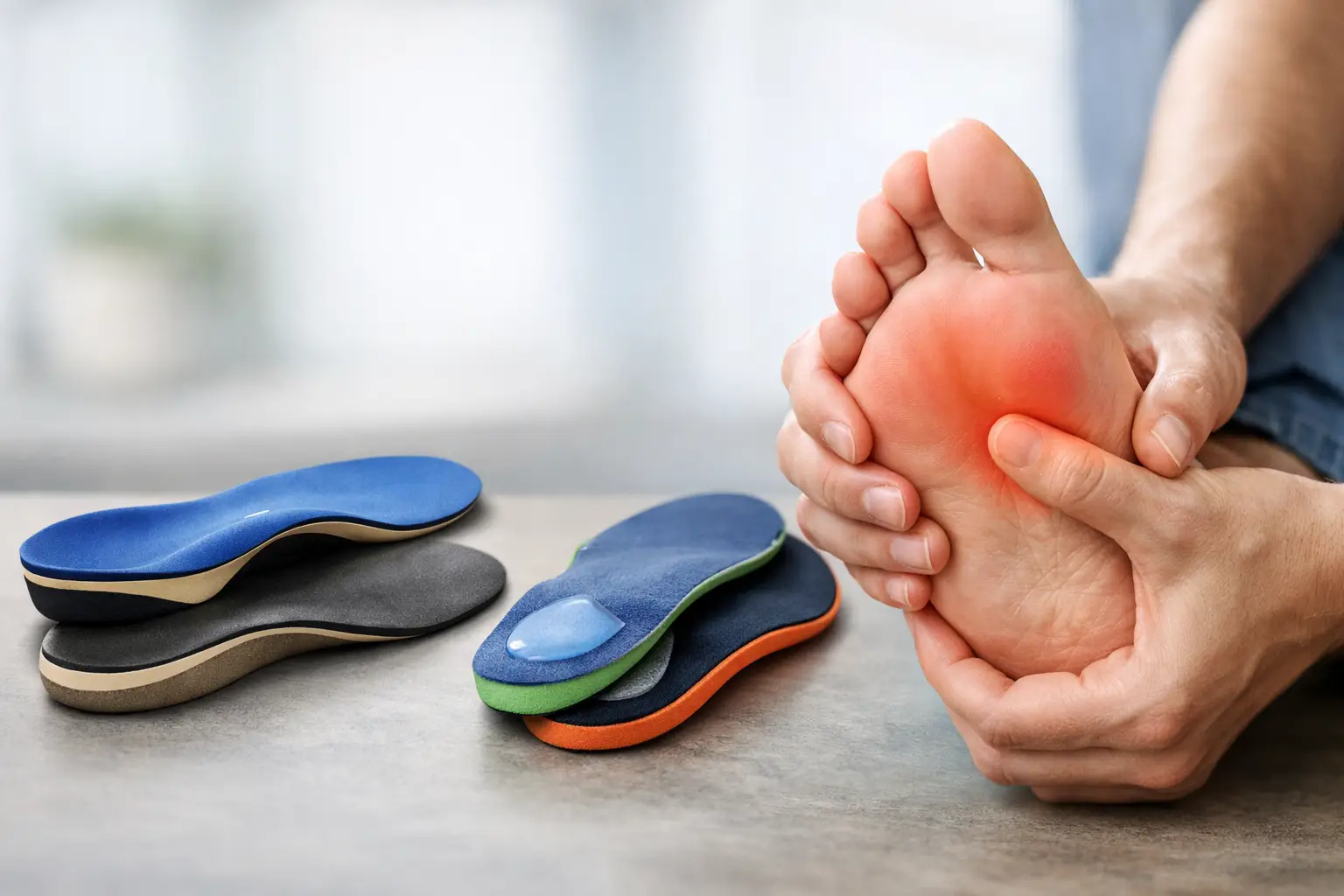
An insole is a general insert placed inside a shoe. It may add cushioning, modest arch contour, warmth, or pressure relief. Many insoles are sold over the counter and can be moved between compatible shoes. They can be helpful when the main issue is a worn-out shoe liner, standing on hard surfaces, or needing a little more cushioning for everyday activity.
Orthotics are designed to do more than pad the foot. They are made or selected to support a particular mechanical need, such as excessive pronation, a collapsed or highly arched foot, uneven pressure through the forefoot, heel instability, or stress affecting the ankle, knee, hip, or lower back. Custom orthotics are formed from an assessment and an impression or scan of the foot. They are then designed around the person’s structure, gait, symptoms, footwear, and activity demands.
The distinction is not simply custom versus store-bought. Some prefabricated orthotics provide more structured support than a basic insole and can be appropriate for certain people. Conversely, a custom device is not automatically the best answer for every sore foot. If discomfort is caused by a shoe that is too narrow, a thick callus, an ingrown nail, a wound, or inflammation after a sudden increase in activity, an orthotic alone will not resolve the underlying issue.
When an insole may be enough
For a generally healthy adult with mild, occasional foot fatigue, a quality insole can be a sensible first step. This is particularly true when shoes have little padding, the original liner has flattened, or work involves long hours of standing on concrete or other hard flooring. Cushioning insoles may also make walking more comfortable during a period of recovery, provided they do not make the shoe too tight.
The key is fit. An insole that bunches, slides, lifts the heel, or crowds the toes can create rubbing and pressure rather than relief. Remove the existing liner if the shoe is designed for that, and make sure there is still enough depth for your foot. Your heel should sit securely, your toes should not be compressed, and the shoe should not feel tighter across the top of the foot.
A softer option is not always better. Very soft inserts can feel pleasant at first but may flatten quickly or allow an unstable foot to continue rolling inward. For someone whose pain is related to poor control rather than inadequate cushioning, more softness may not address the cause.
When orthotics may be the better choice
Orthotics are often worth considering when pain repeatedly returns despite supportive shoes and sensible activity adjustments. They may also be useful when one foot wears through shoes differently than the other, the ankles roll inward, arches ache after standing, or heel and forefoot pain interfere with daily routines.
For active adults, the goal is not necessarily to create a perfectly still foot. The foot needs to move. The purpose of an orthotic is to improve how forces are distributed and to support movement that is more comfortable and efficient for that individual. A runner with recurring shin pain, a warehouse worker with aching heels, and a person with arthritis may all benefit from support, but they may require very different designs.
Custom orthotics can be particularly valuable where there are clear structural differences, persistent biomechanical stress, or a need to offload pressure from a sensitive area. Examples include painful bunions, prominent metatarsal heads, leg-length differences, plantar heel pain, tendon strain, and certain deformities of the toes or midfoot. They may also be incorporated into a broader care plan that includes footwear changes, stretching, strengthening, callus care, compression therapy, or treatment for an injury.
An assessment should guide the device
A foot assessment looks beyond the arch. It considers your symptoms, how long they have been present, previous injury, skin condition, circulation, sensation, joint motion, footwear, work demands, and how you walk or stand. This matters because the same visible foot shape can behave very differently from one person to another.
For example, a low arch is not always a problem requiring correction. Some people have flat feet without pain and need no orthotic. Another person may have a similar arch but develop pain because of tendon overload, poor shoe stability, joint stiffness, or a major change in activity. The most useful recommendation is based on the reason symptoms are occurring, not on a one-size-fits-all label.
Extra caution with diabetes, neuropathy, and poor circulation
For people living with diabetes, reduced sensation, poor circulation, or a history of ulcers, choosing an insert should not be treated as a simple comfort purchase. Neuropathy can reduce the ability to feel pressure, heat, friction, or a developing blister. A new insole or orthotic that seems harmless may create a rubbing point that goes unnoticed until skin has broken down.
Inspect your feet and the inside of your shoes every day, particularly when introducing a new device. Look for redness that does not fade, swelling, blisters, cracks, drainage, new callus formation, or changes in skin colour. Do not continue wearing an insert that causes pain, rubbing, or a new area of pressure.
If you have an open wound, suspected infection, a rapidly changing foot shape, sudden swelling, or a foot that is red and warm, seek professional assessment promptly. These symptoms need attention beyond an insole or orthotic. Early care can help protect skin integrity, mobility, and independence.
Getting the most from your support
Even a well-made orthotic needs a suitable shoe. A device cannot do its job effectively inside footwear that is too narrow, excessively worn, unstable at the heel, or too shallow to accommodate it. Bring the shoes you use most often to an assessment whenever possible – work shoes, walking shoes, safety footwear, and athletic shoes can all fit and function differently.
Break in a new orthotic gradually unless your practitioner advises otherwise. Start with shorter periods of wear and increase as comfort allows. Mild awareness of new support can be normal, but sharp pain, numbness, rubbing, or worsening symptoms are not signs that you should simply push through. An adjustment may be needed.
Orthotics also require follow-up. Feet can change with age, weight change, arthritis, injury, pregnancy, diabetes, reduced mobility, or changes in activity. The device material can compress and footwear can wear unevenly. Reviewing persistent symptoms helps ensure the support still matches your needs.
Comfort is useful, but the cause matters
Insoles can provide welcome cushioning, and orthotics can be an effective part of managing pressure and biomechanics. The best option is the one that fits your feet, your shoes, and your health needs without creating new problems. At Feet & Life, care begins with understanding what is affecting your comfort and mobility, then building a practical plan around it.
If foot pain is limiting your work, exercise, sleep, or confidence on your feet, do not wait for it to become your normal. A professional assessment can help identify whether better footwear, an insole, an orthotic, or targeted foot care is the next right step toward moving more comfortably and safely.