
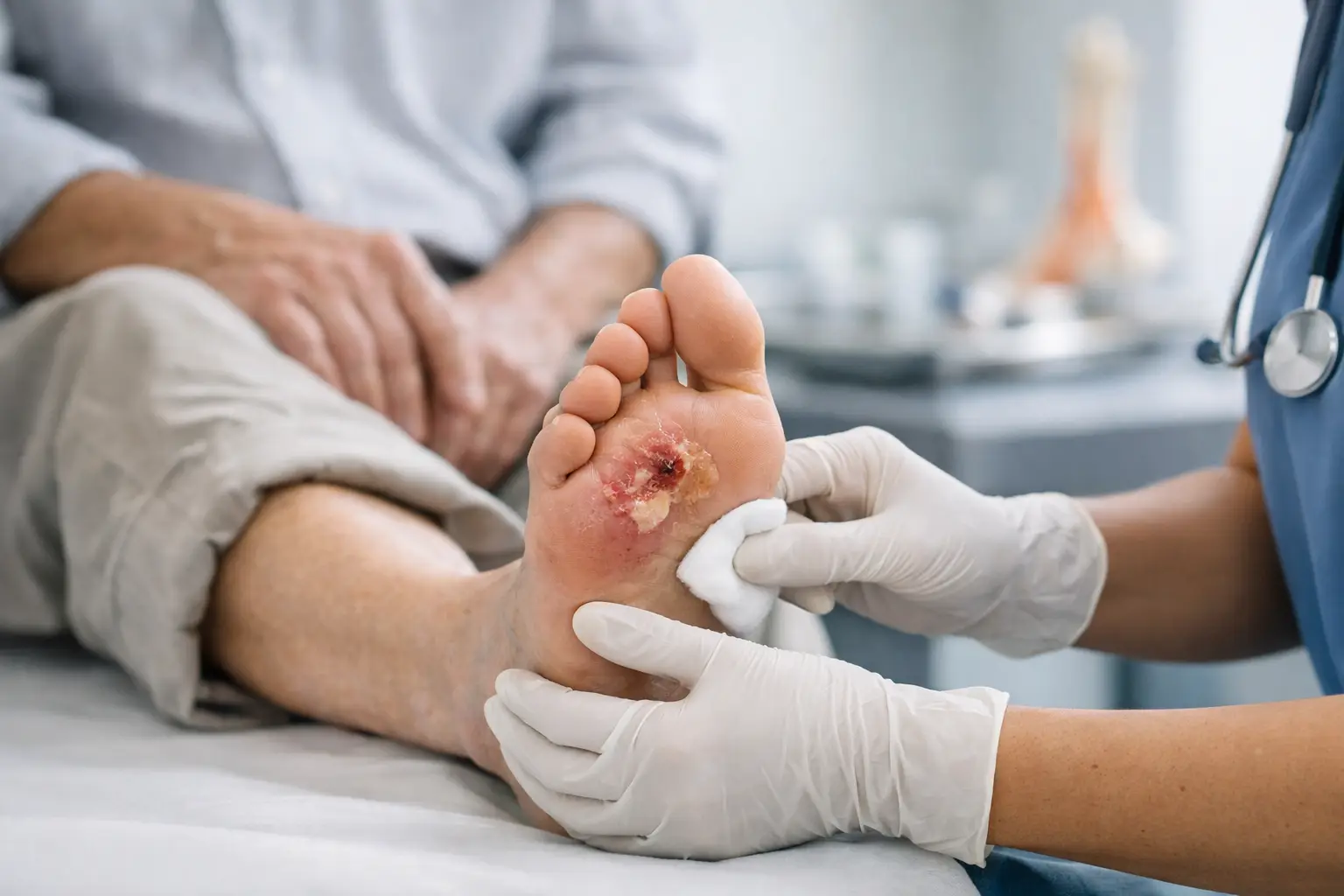
A small sore on the foot can become a much bigger concern when it is not healing as expected. A foot wound care clinic provides focused assessment and treatment for breaks in the skin that put comfort, mobility, and overall health at risk. For people living with diabetes, neuropathy, poor circulation, swelling, or limited mobility, early care can be especially protective.
Foot wounds do not always look serious at first. A blister from a new shoe, a crack in dry skin, a cut during nail care, or a pressure spot beneath a toe can be easy to overlook. But when sensation is reduced or circulation is compromised, pain may not provide the warning it normally would, and healing can be delayed.
What a Foot Wound Care Clinic Does
Wound care is not simply about covering a sore with a dressing. Effective treatment begins by identifying why the wound developed and what may be preventing it from closing. The condition of the skin, wound depth, drainage, surrounding redness, pressure points, footwear, circulation, swelling, and medical history all matter.
A clinical assessment can help determine whether a wound appears related to friction, pressure, diabetes, venous disease, arterial circulation concerns, trauma, fungal skin changes, or another underlying factor. The treatment plan may include appropriate cleansing and dressings, protection from pressure, skin care, advice on footwear, compression support when suitable, and regular monitoring as the area heals.
At Feet & Life, foot and lower-limb care is approached through both immediate treatment and prevention. The goal is not only to help the wound heal, but also to reduce the chance of another wound developing in the same place.
When a Foot Wound Needs Professional Attention
Any wound that is not improving deserves attention, particularly when a person has diabetes or known circulation problems. It is wise to arrange an assessment if a cut, blister, crack, ulcer, or sore remains open after several days, becomes increasingly tender, or repeatedly reopens.
Changes around the wound can also signal a concern. Redness, warmth, swelling, odour, drainage, darkened tissue, or skin that feels unusually hard or soft around the area should not be ignored. A wound may also need care if there is a callus or thickened skin surrounding it. This can indicate ongoing pressure that will continue to interfere with healing.
For people with neuropathy, the absence of pain is not reassurance. Reduced sensation means an injury can progress without being felt. A daily visual check of the bottoms of the feet, heels, between the toes, and around the nails can reveal early concerns. If bending or vision makes this difficult, a family member, caregiver, or foot-care professional can help.
Seek urgent medical help for serious warning signs
A rapidly spreading redness, fever, chills, red streaking, severe swelling, black or blue skin, a sudden cold or pale foot, or feeling generally unwell alongside a foot wound can require urgent medical assessment. Do not wait for a routine appointment if these symptoms are present.
Why Diabetes Changes the Risk
Diabetes can affect foot health in several ways at once. Elevated blood glucose can impair healing and immune response. Peripheral neuropathy can reduce the ability to feel pain, heat, pressure, or a foreign object in a shoe. Changes in circulation can limit the oxygen and nutrients needed by healing tissue.
This combination means that a minor injury can become an ulcer or infection more quickly than expected. It is also why people with diabetes should avoid trying to cut away calluses, corns, or dead skin around a wound at home. Even a small accidental cut can create an opening for infection.
Professional diabetic foot care supports regular skin checks, nail care, pressure assessment, and early identification of areas that need protection. The right plan depends on the individual. Someone with good circulation and a superficial friction blister may need different care than someone with neuropathy, swelling, and a wound beneath the ball of the foot.
Pressure Relief Is Often Part of Healing
A wound on the bottom of the foot can struggle to close if it is repeatedly compressed with every step. This is common under the heel, forefoot, or toes, particularly where foot shape, arthritis, bunions, hammertoes, or altered gait create concentrated pressure.
Rest alone is not always enough, especially for people who need to remain active for work, caregiving, or daily errands. A clinician can help identify ways to reduce pressure safely through footwear guidance, padding, offloading strategies, or orthotic support where appropriate. The aim is to protect the area without creating a new pressure point elsewhere.
Footwear is a frequent contributor. Shoes that are too narrow, too loose, worn unevenly, or lacking adequate depth can rub against fragile skin. Before putting shoes on, check inside for rough seams, folded sock material, grit, or objects that could injure a numb foot.
Circulation and Swelling Need Careful Consideration
Leg swelling can stretch the skin and make it more vulnerable to breakdown. Venous circulation issues may contribute to wounds around the ankles and lower legs, while arterial circulation concerns can make wounds on the toes or feet particularly slow to heal. These conditions require different approaches.
Compression therapy can be helpful for some people with venous swelling, but it is not suitable for every wound or circulation profile. This is why self-treating with compression stockings or wraps without an assessment can be risky. A clinical provider should consider circulation, skin condition, comfort, and medical history before recommending compression.
Keeping the skin moisturized can help prevent fissures, especially on dry heels, but cream should generally not be applied between the toes where excess moisture may contribute to skin breakdown. A tailored skin-care routine can make a meaningful difference for people whose feet are dry, swollen, or prone to cracking.
Safe Care Between Appointments
Until a wound has been assessed, keep it clean and protected from friction. Avoid soaking the foot, using harsh antiseptics unless specifically advised, or applying medicated products that have not been recommended for the wound. Home remedies can irritate tissue, conceal changes, or delay appropriate treatment.
Use a clean dressing if needed and change it according to clinical guidance. Keep weight and pressure off the area as much as practical. Do not walk barefoot, even indoors, because a small scrape or puncture can be difficult to detect when sensation is reduced.
It also helps to note what has changed. Is there more drainage? Has the redness spread? Is the wound becoming larger, deeper, or more painful? Clear observations help guide care and can identify when treatment needs to change.
Wound Prevention Supports Independence
Preventing foot wounds is closely connected to preserving mobility and independence. Routine foot care can reduce thickened nails, calluses, fungal skin changes, and pressure areas that make injury more likely. For older adults and people who find self-care difficult due to arthritis, vision changes, stroke-related limitations, or dementia, regular professional support can be an important safety measure.
For active adults, prevention may involve addressing heel pain, arch strain, repetitive friction, or footwear that no longer matches their foot shape and activity level. For long-term-care residents, consistent monitoring is valuable because skin changes can occur quickly when mobility, sensation, or circulation is limited.
A wound deserves attention before it becomes a crisis. If you have noticed a sore that is not healing, recurring pressure on the same area, or a change in the colour or condition of your feet, booking an assessment can provide a clear next step – and help keep every step ahead safer and more comfortable.