
A sharp heel pain on the first steps of the morning, a burning feeling under the forefoot, or an ankle that aches after every shift can quickly change how you move through the day. A foot pain clinic looks beyond the painful spot to understand what is placing stress on your feet and lower limbs, then helps you protect the comfort, confidence and independence that movement supports.
Foot pain is not always caused by one injury. It can develop through repetitive strain, footwear that does not support your gait, arthritis, changes in circulation, nerve irritation, diabetes or the way the joints of the foot, ankle, knee and hip work together. The right care depends on the cause, your health history and how the pain is affecting your daily life.
What a foot pain clinic assesses
A clinical assessment starts with your story. When did the pain begin? Did it follow a fall, a change in activity, new footwear or a long period of standing? Is it worse with your first steps, after exercise, at night or when resting? These details can point toward different sources of pain.
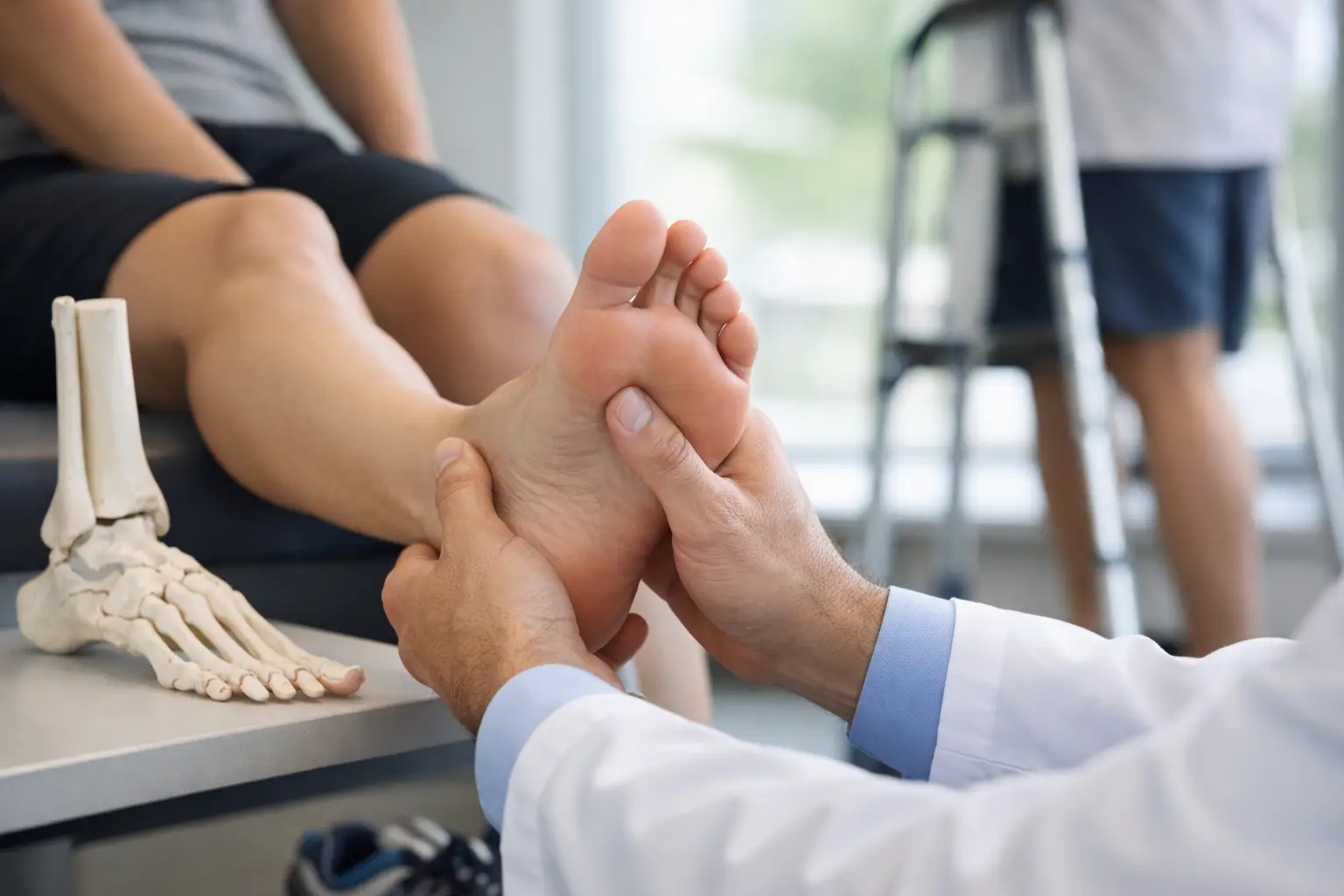
The examination may include the skin and nails, areas of swelling or tenderness, joint movement, muscle strength, alignment, sensation and circulation. Your walking pattern matters too. A foot that rolls excessively inward, a stiff big toe joint or limited ankle motion can shift pressure into the heel, arch, ball of the foot, knees or lower back.
For people with diabetes, neuropathy or poor circulation, assessment also includes checking for loss of protective sensation, pressure areas, cracks in the skin, calluses and early wounds. Pain is not always a reliable warning sign when sensation is reduced. A small blister or nail problem can become serious if it is not noticed and treated early.
Common patterns of foot and lower-limb pain
Painful feet can feel similar even when the underlying issue is different. A careful assessment helps avoid treating every problem as though it were simply inflammation.
Heel and arch pain
Heel pain is often linked with irritation of the plantar fascia, the strong band of tissue running along the bottom of the foot. It commonly causes discomfort with the first few steps after rest, then may return after prolonged standing or walking. Tight calf muscles, sudden activity increases, poor support and foot mechanics can all contribute.
Not every heel pain follows this pattern. Nerve irritation, stress injuries, fat-pad changes and arthritis may need a different approach. Rest alone may calm symptoms temporarily, but it may not correct the forces that keep the area overloaded.
Forefoot pain, corns and calluses
Burning, aching or the sensation of walking on a pebble beneath the ball of the foot can result from excess pressure, joint changes, nerve irritation or footwear that compresses the toes. Corns and calluses are also signals that pressure is repeatedly concentrating in one place.
Reducing thickened skin can improve comfort, but lasting relief often requires addressing the reason it formed. This may involve footwear advice, pressure redistribution, padding or custom orthotics when clinically appropriate.
Ankle, tendon and lower-leg discomfort
Pain around the Achilles tendon, outer ankle, shin or calf may develop after a sprain, a change in training, long work shifts or an altered walking pattern. Tendons respond to load, so the goal is rarely to stop all movement forever. It is to reduce aggravating load while building a safe, gradual return to activity.
Swelling, warmth, redness or a sudden loss of function deserve prompt attention. Lower-leg pain can occasionally be related to circulation concerns rather than a muscle or tendon issue, which is why self-diagnosis is risky.
Nerve-related symptoms
Tingling, numbness, burning, electric-shock sensations or pain that is worse at night can suggest nerve involvement. Neuropathy is common in people living with diabetes, but it can occur for other reasons as well. Nerve symptoms need particular care because reduced sensation can make it easier to miss injuries, foreign objects in footwear and developing wounds.
A treatment plan may focus on skin protection, regular monitoring, pressure reduction and strategies to improve safe mobility. If symptoms are new, progressing or occurring with weakness, medical assessment should not be delayed.
Why pain relief is only part of the plan
A good treatment plan should make room for immediate comfort while also addressing the factors that make pain likely to return. Depending on the diagnosis, care may include professional foot care, wound management, footwear guidance, stretching and strengthening recommendations, compression therapy, custom orthotics, or therapies such as low-level laser or shockwave treatment.
These options are not interchangeable. Compression may be useful for certain forms of swelling and venous discomfort, but it must be chosen carefully when arterial circulation is reduced. Orthotics can redistribute pressure and support movement, but they work best when matched to your foot shape, symptoms, footwear and activity demands. Laser-based therapies may support recovery for some conditions, while an acute injury, infection or suspected fracture needs a different clinical pathway.
For an active adult, the plan may focus on restoring tolerance for walking, running or standing at work without repeatedly provoking symptoms. For an older adult, priorities may include safe nail and skin care, fall prevention, footwear that is easier to manage, and maintaining the ability to walk comfortably at home and in the community. Both goals are about preserving mobility, but the care should be personal.
When foot pain needs timely attention
Some problems should not wait for a routine appointment. Seek urgent medical assessment for a foot or lower leg that becomes suddenly swollen, hot, red or severely painful; a new wound, ulcer or spreading redness; fever with a foot infection; a blue, pale or cold foot; or an inability to bear weight after an injury.
People with diabetes, neuropathy, known circulation problems or a history of ulcers should be especially cautious. Contact a healthcare professional promptly if you find a blister, cut, drainage, skin colour change, unexplained swelling or a wound that is not improving. Trying to trim a painful corn, cut thick nails or manage an ingrown nail at home can create an opening for infection, particularly when sensation or circulation is impaired.
Preparing for your appointment
Bring the shoes you wear most often, including work shoes or athletic footwear if they are connected to your symptoms. Note where the pain occurs, what triggers it and whether it changes during the day. A list of medications and relevant health conditions is also useful, especially diabetes, arthritis, vascular conditions or previous foot injuries.
If you use orthotics, bring them along. They may still be appropriate, may need adjustment, or may no longer match changes in your feet, activity level or footwear. Small practical details give the clinician a clearer picture than pain ratings alone.
At Feet & Life, care is guided by the understanding that your feet are more than a source of discomfort. They are the base that helps you work, exercise, manage daily routines and stay connected to the people and places that matter. Early attention to pain, skin changes and movement changes can prevent a manageable concern from becoming a longer recovery.
You do not have to wait until every step feels difficult to seek support. Paying attention to a persistent symptom now is one practical way to keep making room for the life you want to move through.