
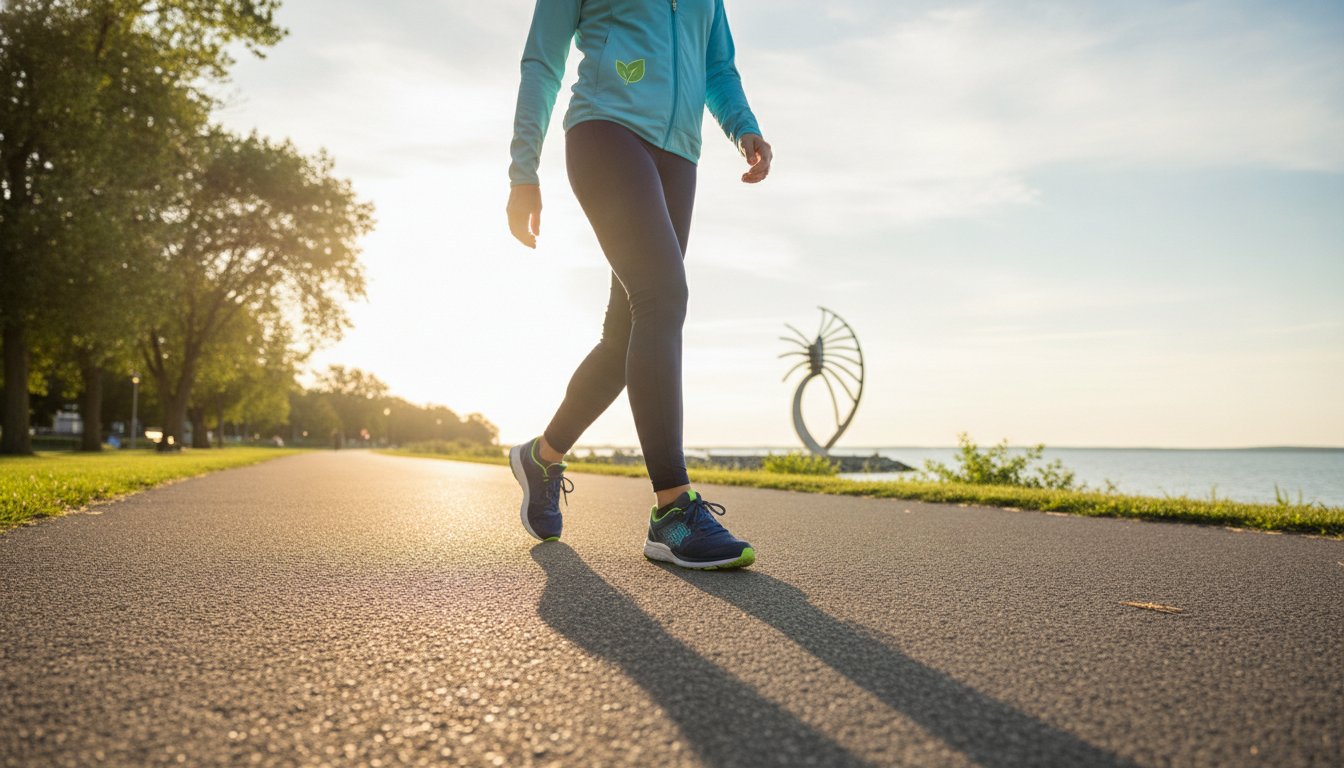
You planned for a peaceful morning walk along the Barrie waterfront, but the sharp, stabbing pain in your heel forced you to turn back before you even reached the Spirit Catcher. If you’re struggling with morning stiffness that makes those first few steps feel nearly impossible, you aren’t alone. Many residents realize that generic, store-bought insoles simply don’t provide the specialized support required for lasting relief. When you’re searching for effective Achilles tendonitis treatment in Barrie, you need a clinical solution that moves beyond temporary fixes to address the underlying biomechanical strain.
We understand the frustration of feeling like your mobility is slipping away or the constant fear that a minor ache might lead to a serious tendon rupture. This clinical guide will show you how professional, non-invasive care and custom-engineered orthotics can resolve your discomfort and restore your stability. We’ll explore the transition from simple inflammation to chronic degeneration, providing a clear path toward a personalized recovery plan that fits your lifestyle. You will discover the specialized, nurse-led treatments available to help you return to the active life you enjoy throughout Simcoe County with confidence in every step.
Key Takeaways
- Learn why professional Achilles tendonitis treatment in Barrie focuses on thorough biomechanical assessments rather than just temporary symptom relief.
- Understand the anatomical differences between insertional and non-insertional tendonitis to ensure your recovery plan is tailored to your specific condition.
- Discover how custom-engineered orthotics stabilize the foot to reduce structural strain, offering a medical-grade alternative to generic store-bought insoles.
- Identify a clear sequence of non-invasive steps to manage acute flare-ups and maintain mobility while navigating Barrie’s diverse local terrain.
- Gain insight into the nurse-led clinical standards that define a patient-centred approach to long-term foot health and injury prevention.
Understanding Achilles Tendonitis: Why Your Heel Hurts
Your Achilles tendon is the largest and strongest tendon in your body. It connects your calf muscles to your heel bone, providing the necessary leverage to walk, run, and jump. Despite its remarkable strength, it’s highly susceptible to overuse. Achilles tendonitis is characterized by inflammation and irritation of this fibrous tissue. Professional Achilles tendinitis overview resources describe how this condition often develops from repetitive stress rather than a single acute injury. It’s a progressive concern that requires a methodical approach to care.
Clinical specialists categorize this condition into two main types based on the location of the pain. Non-insertional tendonitis involves fibers in the middle portion of the tendon, which often break down with microscopic tears. Insertional tendonitis occurs at the lower part of the heel where the tendon attaches to the heel bone. Both forms can cause significant discomfort and require specialized Achilles tendonitis treatment in Barrie to prevent long-term damage or potential rupture. Recognizing the signs early is essential for a non-surgical recovery. Patients frequently report specific symptoms, including:
- Intense stiffness in the heel or calf upon waking.
- Persistent pain along the tendon that worsens during or after physical activity.
- A visible thickening or “nodule” on the tendon.
- The development of bone spurs at the heel attachment site.
Common Causes and Risk Factors
The primary driver of tendonitis is a sudden increase in the intensity or duration of physical activity. If you’ve recently pushed your limits without adequate preparation, the tendon may struggle to adapt to the new load. Tight calf muscles also play a major role; they place excessive, constant tension on the Achilles fibers even during rest. Additionally, as we age, the blood supply to the tendon naturally decreases. This makes it harder for the body to repair the natural wear and tear that occurs during daily movement.
Why It Is Common in the Barrie Area
Our local environment often contributes to these lower limb injuries. For many residents in Simcoe County, seasonal changes mean switching from heavy, supportive winter boots to flat summer sandals or worn-out sneakers. This sudden shift in footwear can alter your foot mechanics and strain the tendon. Active retirees and “weekend warriors” who enjoy hiking the rugged trails in Oro-Medonte or walking the hills around Kempenfelt Bay frequently experience overuse symptoms. Seeking help from a professional foot clinic early ensures that minor stiffness doesn’t progress into a debilitating injury. Effective Achilles tendonitis treatment in Barrie starts with a clear understanding of how your daily environment and activity levels impact your biomechanical health.
Professional Achilles Tendonitis Treatment in Barrie
Effective recovery from a tendon injury requires more than just staying off your feet. Professional Achilles tendinopathy management involves a structured, clinical approach that addresses both the immediate pain and the underlying mechanical causes. At Feet & Life / Health for Life, our focus on non-invasive Achilles tendonitis treatment in Barrie ensures that patients receive evidence-based care without the need for surgical intervention. We utilize a combination of clinical assessments and therapeutic modalities designed to reduce inflammation while stimulating the body’s natural repair mechanisms.
Recovery is rarely a linear path. It often involves managing secondary complications that can arise when your walking pattern changes to compensate for heel pain. For instance, if you’ve developed skin breakdown or blisters due to friction from supportive footwear or heel lifts, professional wound care becomes a vital part of your treatment plan. By maintaining the health of the skin and surrounding tissues, we prevent infections and ensure that your primary focus remains on tendon rehabilitation. Our clinical environment provides the specialized tools and expertise necessary to monitor these developments closely.
Clinical Medical Foot Care
A nurse-led approach to foot health offers a unique blend of medical precision and empathetic care. During a clinical session, we perform a thorough assessment of your skin integrity and circulation around the affected heel. Many patients don’t realize that recurring calluses or corns are often symptoms of an altered gait caused by Achilles pain. By addressing these issues through professional medical foot care, we help you maintain a more natural walking motion, which reduces the eccentric load on the tendon. This comprehensive perspective ensures that every factor affecting your mobility is managed under professional guidance.
Managing Chronic Tendon Pain
When pain persists for several months, the condition often transitions from acute inflammation to a more degenerative state known as tendinosis. Managing this chronic stage requires a shift in strategy, focusing on long-term tissue health and prevention rather than just cooling down a flare-up. We work with you to determine when it’s safe to transition from intensive clinical care to a maintenance routine that fits your daily life. It’s essential to remember that Achilles tendonitis is a condition that requires patience and professional oversight to resolve fully. Our goal is to provide the stability and education you need to prevent future recurrences and keep you active in the Barrie community. Patients managing conditions that affect sensation or circulation, such as diabetes, should also be aware of how reduced feeling in the feet can mask developing complications; our specialized neuropathy foot care in Barrie services address these overlapping concerns with the same nurse-led clinical rigour.
The Role of Custom Orthotics in Achilles Recovery
Many patients find that even with rest, their heel pain returns the moment they resume their normal routine. This cycle often occurs because the structural cause of the strain hasn’t been addressed. Professional Achilles tendinopathy treatment protocols frequently emphasize the need for mechanical realignment. For those seeking Achilles tendonitis treatment in Barrie, custom orthotics serve as a foundational tool to stabilize the foot and take the direct load off the healing tendon.
One of the most common drivers of Achilles stress is overpronation, where the foot rolls inward excessively during each step. This movement creates a twisting effect on the tendon, causing microscopic tears that can’t heal if the motion continues. Custom-engineered orthotics are designed to correct this specific misalignment. By providing a stable base, they ensure that the tendon moves in a straight, efficient line rather than being pulled at an awkward angle. This structural support is vital for anyone looking for lasting Achilles tendonitis treatment in Barrie.
Biomechanical Assessment in Barrie
Before a device is ever created, we conduct a comprehensive biomechanical assessment. This isn’t a simple “step on a mat” test found in retail stores. It’s a clinical gait analysis and foot exam where we look at how your joints move and where your pressure points lie. We identify structural irregularities, such as high arches or flat feet, that contribute to your tendonitis. Using this data, we design orthotics that specifically target heel relief and redistribute weight across the entire foot. This methodical process ensures the device addresses your specific needs rather than just offering generic cushioning.
Custom Orthotics vs. Over-the-Counter Inserts
It’s tempting to reach for a generic gel insert at the pharmacy, but these often lack the structural integrity needed for medical-grade recovery. Custom orthotics are crafted from durable, high-quality materials that maintain their shape under the stress of daily activity. Unlike over-the-counter options, which offer a “one size fits all” approach, custom versions provide personalized arch support tailored to your unique foot shape. In some cases, an ill-fitting generic insert can actually worsen Achilles pain by shifting pressure to the wrong area or failing to provide enough heel lift. A professional fitting at a Barrie clinic ensures your alignment is precise, supporting long-term mobility and comfort.
Practical Steps for Achilles Health and Prevention
Managing Achilles pain requires a disciplined balance between activity and recovery. When a flare-up occurs, your immediate priority is to reduce the mechanical load on the tendon. A clear sequence for home management involves resting the limb, applying ice for 15-minute intervals to manage acute inflammation, and using temporary heel lifts to shorten the tendon and reduce tension. Stretching should only be done under clinical guidance during acute phases to avoid aggravating microscopic tears. Recognizing the early signs of strain, such as a dull ache after a walk along Kempenfelt Bay, allows you to intervene before the condition becomes chronic.
Daily Care and Stretching
Once the initial sharp pain subsides, maintaining flexibility becomes a priority. Safe calf stretches, such as the “wall stretch” with a straight knee and a slightly bent knee, help target both the gastrocnemius and soleus muscles. However, these must be performed gently. Overstretching a compromised tendon can lead to further irritation. We recommend a gradual return-to-activity protocol. This involves starting with short, level walks on paved surfaces before attempting the uneven trails found throughout Simcoe County. If you experience pain that lingers into the next morning, it’s a clear signal that your activity level is exceeding your tendon’s current capacity.
Footwear Advice for Simcoe County Residents
Your choice of footwear is your first line of defence against re-injury. For those receiving Achilles tendonitis treatment in Barrie, we often recommend shoes with a moderate “heel drop,” which is the height difference between the heel and the toe. A higher drop reduces the stretch required from the Achilles during each step. It’s also vital to replace your walking or running shoes every 500 to 800 kilometres, as the internal support structures break down long before the outer sole looks worn. There is a powerful synergy between high-quality footwear and custom orthotic inserts; the shoe provides the external structure, while the orthotic ensures internal alignment. If you’re unsure if your current shoes are supporting your recovery, book a clinical footwear assessment to ensure your gear is working for you, not against you.
Ignoring persistent stiffness can lead to long-term mobility issues. If you notice night pain, a visible increase in tendon thickness, or a sudden “popping” sensation, you must seek professional intervention immediately. Proactive Achilles tendonitis treatment in Barrie focuses on these preventative measures to keep you moving safely. By combining these practical home steps with professional clinical oversight, you can build a resilient foundation for your lower limb health.
Expert Achilles Care at Feet & Life / Health for Life: Your Barrie Clinic
Feet & Life / Health for Life operates as a specialized medical foot care facility, prioritizing evidence-based protocols that don’t involve invasive surgery. Our approach to Achilles tendonitis treatment in Barrie is built on a foundation of professional accountability and meticulous clinical standards. We recognize that heel pain isn’t just a physical inconvenience; it’s a barrier to your quality of life and your ability to enjoy the active community of Simcoe County. By integrating specialized wound management with custom-engineered orthotic solutions, we provide a comprehensive plan that addresses both skin integrity and structural alignment. Our goal is to provide a clear, methodical path toward recovery that respects your time and your health.
Our Reassuring Nursing Sensibility
Choosing a clinic led by nursing professionals means your care is delivered with a unique blend of medical authority and compassionate patience. We don’t just provide a service; we foster a stable, trustworthy environment where you feel heard and understood throughout your recovery journey. Education is a central pillar of our practice. During your consultation, we take the time to explain the clinical “why” behind your pain, empowering you to participate actively in your healing process. This patient-centred philosophy ensures that your treatment plan is not only medically sound but also practical for your specific lifestyle. You’ll find that our team acts as a dedicated guide, helping you navigate the complexities of tendon recovery with a caring, holistic approach.
Booking Your Assessment in Barrie
Taking the first step toward pain-free mobility is a straightforward and thorough process. Your journey begins with a comprehensive biomechanical exam and a review of your medical history to identify any underlying factors contributing to your discomfort. To ensure the most accurate assessment, we ask that you bring your primary walking or athletic shoes to your first appointment. This allows us to evaluate specific wear patterns and ensure your footwear works in harmony with your custom orthotics. We invite you to experience a higher standard of clinical care right here in your community, where we focus on long-term health rather than quick fixes.
Schedule your Achilles assessment at our Barrie clinic today
Reclaiming Your Active Lifestyle in Barrie
Recovery from chronic heel pain is a journey that requires more than just patience; it demands a structured, clinical approach to realignment. By understanding the biomechanical drivers of your discomfort and implementing professional non-surgical strategies, you can stop the cycle of recurring injuries. We’ve explored how specialized support and proper footwear selection provide the necessary foundation for your tendon to heal effectively. Realizing that your mobility is a vital component of your overall wellness is the first step toward a pain-free future.
Our facility provides the nurse-led clinical expertise and specialized biomechanical assessments required to design custom-engineered orthotic solutions tailored to your unique gait. If you’re ready to prioritize your health and seek professional Achilles tendonitis treatment in Barrie, our team is here to guide you with a dedicated, caring approach. You don’t have to let persistent stiffness limit your walks along the waterfront or your weekend adventures in Simcoe County.
Book your clinical foot assessment in Barrie today and take a confident step toward long-term relief. We look forward to helping you restore your stability and return to the activities you love with renewed comfort.
Frequently Asked Questions
How do I know if I have Achilles tendonitis or just a sore heel?
Achilles tendonitis is specifically identified by pain located two to six centimetres above the heel bone or directly where the tendon attaches to the heel. While general heel pain like plantar fasciitis is usually felt on the bottom of the foot, Achilles discomfort typically manifests as intense stiffness in the morning. You might also notice a visible thickening of the tendon or pain that sharpens during uphill walking.
Can custom orthotics really help with Achilles tendonitis pain?
Yes, custom orthotics are a highly effective tool for reducing the mechanical strain that causes tendon inflammation. By correcting issues like overpronation, these devices ensure the tendon moves in a straight line rather than twisting under pressure. They also provide a precise heel lift that shortens the tendon slightly, which offers immediate relief by decreasing the constant tension on the healing fibers during daily activities.
Is it okay to walk or exercise with Achilles tendonitis?
Low-impact walking is generally encouraged, but you must avoid high-intensity activities that cause sharp or increasing pain. If your exercise routine leads to swelling or lingering stiffness the next morning, your tendon is likely being overloaded. Seeking professional Achilles tendonitis treatment in Barrie helps you establish a safe return-to-activity protocol. This ensures you don’t inadvertently turn a minor strain into a chronic degenerative issue.
How long does it typically take for Achilles tendonitis to heal?
Most patients experience significant improvement within three to six months of consistent, non-surgical clinical care. The timeline depends on whether the condition is acute or has transitioned into chronic tendinosis, which involves tissue degeneration. Recovery requires a patient, methodical approach. Adhering to your personalized treatment plan and wearing your prescribed orthotics consistently are the most important factors in achieving a faster, more stable recovery.
What is the difference between medical foot care and a standard pedicure?
Medical foot care is a specialized clinical service performed by trained practitioners who prioritize foot health, skin integrity, and circulation. Unlike a standard cosmetic pedicure, our medical approach uses sterilized clinical instruments to safely address concerns like calluses, corns, and thickened nails. This professional oversight is essential for patients with underlying health conditions, as it focuses on preventing infections and maintaining the overall wellness of the lower limbs.
Do I need a doctor’s referral to visit your Barrie foot care clinic?
No, you do not need a referral from a doctor to access our specialized assessments or clinical services. You can book directly with our team to begin your Achilles tendonitis treatment in Barrie at your convenience. While a referral isn’t necessary, many patients find that our clinical reports are helpful to share with their family physicians. This ensures a collaborative and well-documented approach to your long-term healthcare journey.
Will I have to wear custom orthotics forever?
The duration of orthotic use depends on whether your pain was caused by a temporary lifestyle change or a permanent structural irregularity. If your tendonitis stems from fixed biomechanical issues like flat feet or high arches, continuing to wear orthotics is the best way to prevent future flare-ups. Many residents find that the increased stability and comfort provided by their custom devices make them a natural, long-term addition to their favourite footwear.
What happens if Achilles tendonitis is left untreated?
Ignoring persistent Achilles pain can lead to chronic degeneration of the tendon fibers, making the tissue weaker and less flexible over time. This neglect significantly increases your risk of a sudden tendon rupture, which often requires much more intensive intervention. Untreated inflammation can also cause the formation of painful bone spurs at the heel. These structural changes can permanently alter your gait and lead to secondary pain in your knees or lower back.