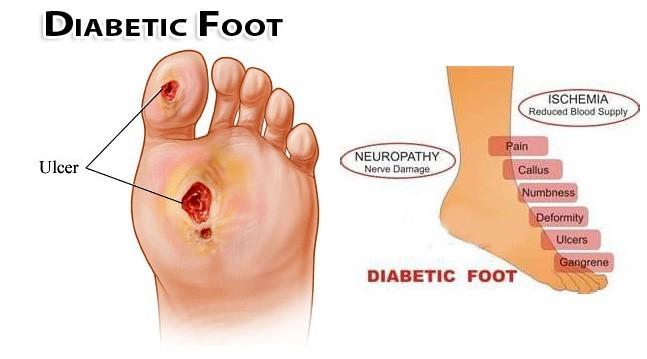
All diabetics or those with vascular complications, such as high blood pressure or high cholesterol, should be evaluated for lower limb risks and have an annual diabetic foot screen done by a foot specialist. Our foot screening process will determine the need for regular maintenance care.
If you have developed any of the following symptoms, we recommend attending our clinic as soon as possible.
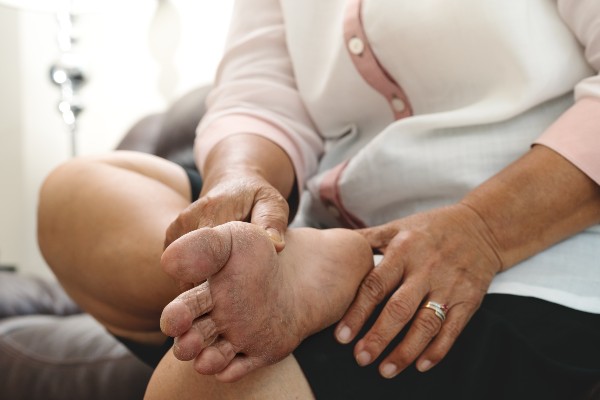
- Noticeable changes to skin on your legs and feet, such as cracked skin, calluses, or corns
- Nail changes such as thickening, yellow discoloration, ingrown nails, wounds, and blisters
- Toenail infections such as athlete’s foot between your toes or flaking skin on the bottom of your feet
- Numbness, tingling, burning, or pain in your feet
- Loss of feeling in your feet
- Loss of temperature sensation to heat or cold
- A change in the shape of your feet
- Unsteadiness when walking
- A change in the color and temperature (cold or hot feet)
Most people with diabetes or peripheral vascular disease can prevent serious foot complications such as wounds, infections and/or amputations. The best method to protect your feet and the rest of your body is to maintain a healthy lifestyle with regular exercise, taking prescribed medications, monitoring blood glucose levels, following a diabetic friendly diet, visiting your foot care specialist monthly to protect your lower limbs and feet and prevent more serious complications.
Our PodOrtho™ Foot Specialists are trained to detect signs of lower limb and foot complications, perform routine foot screening and give client education to promote preventative strategies to maintain healthy feet and lower limbs. Our PodOrtho™ Foot Specialists provide hygienic services following (PIDAC) best practice guidelines and sterile instruments when treating all skin and nail conditions. Our PodOrtho™ Foot Specialists also assess foot mechanics to ensure excessive pressure is eliminated to prevent wounds from developing and make recommendations. Our PodOrtho® Foot Specialists also assess your lower limb vascular status and make recommendations to improve lower limb circulation to protect the integrity of the skin, nervous system, muscles, joints, tendons, ligaments and nails.