
A sharp heel pain on the first steps out of bed, an aching arch halfway through a work shift, or knees that hurt after a familiar walk can change how you move through the day. Custom orthotics are designed to address the way your feet function inside your shoes, helping reduce strain that may be travelling from the ground up through the ankles, knees, hips, and lower back.
They are not simply cushioned insoles, and they are not a one-size-fits-all answer to foot pain. A properly prescribed orthotic is based on an assessment of your feet, gait, footwear, health history, and daily demands. The goal is practical: to improve comfort, support safer movement, and help protect mobility over time.
What Custom Orthotics Actually Do
Your feet absorb considerable force with every step. When the foot rolls inward too far, remains too rigid, lacks support through the arch, or cannot move efficiently because of pain or joint changes, other parts of the lower limb often compensate. That compensation may show up as fatigue, pressure under the forefoot, heel pain, shin discomfort, tendon irritation, or pain higher in the legs.
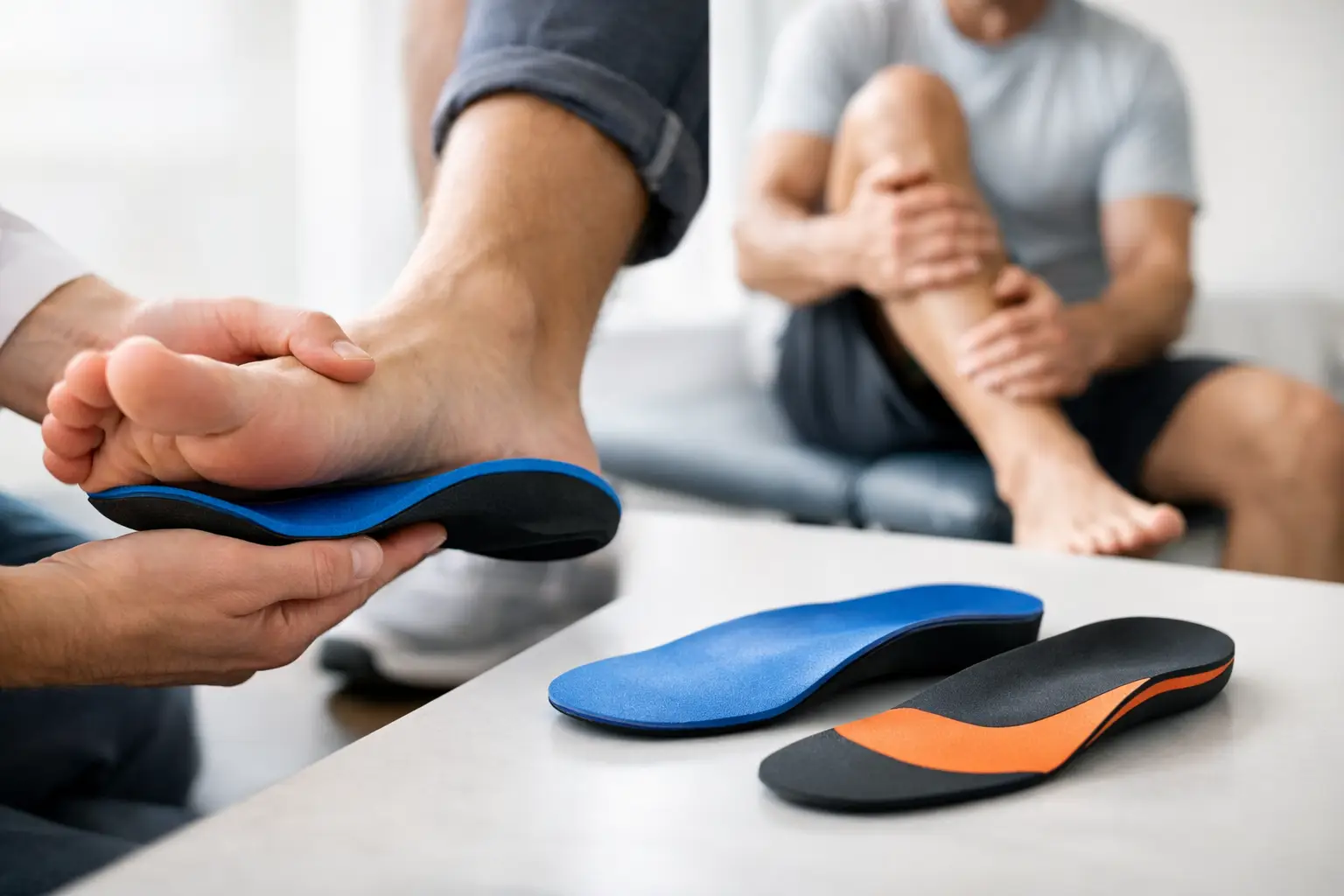
Custom orthotics sit inside appropriate footwear and guide, cushion, redistribute, or support the foot where it needs it. Depending on the assessment, an orthotic may help control excessive motion, reduce pressure on a sensitive area, support an unstable arch, accommodate a deformity, or improve how force is distributed during walking.
The word “custom” matters. A device made for one person’s foot shape and movement pattern will differ from one made for someone who spends long hours standing on concrete, runs several times a week, or is managing arthritis and reduced balance. Material choice matters too. A firmer orthotic may offer more control, while a softer or accommodative design may be more suitable for a foot with painful pressure areas, limited fat padding, or fragile skin.
When Custom Orthotics May Be Worth Considering
Foot pain is a common reason to seek an assessment, but pain is not the only reason. Orthotics can be part of a preventive plan when biomechanics, reduced sensation, joint disease, or circulation concerns place the feet under added stress.
They may be recommended for concerns such as plantar fasciitis, heel pain, arch strain, metatarsalgia, bunions, flat feet, high arches, tendon problems, shin pain, and some knee or hip symptoms related to walking mechanics. They can also help active adults who repeatedly develop the same discomfort during work, walking, running, or sport.
For older adults, orthotics may be useful when arthritis, muscle weakness, balance changes, or foot deformities make standing and walking less comfortable. The benefit is not necessarily about making the foot “perfect.” It may be about making day-to-day movement more stable and less tiring, so errands, exercise, social outings, and independent living remain more manageable.
People living with diabetes should take foot discomfort, pressure points, callus buildup, and changes in footwear fit seriously. Neuropathy can reduce the ability to feel irritation or injury, while circulation concerns may delay healing. In these situations, an orthotic may be designed to reduce localized pressure and protect vulnerable areas, but it should be part of a broader foot-care plan that includes regular skin checks, proper shoes, and professional monitoring.
Symptoms That Deserve an Assessment
Consider seeking professional guidance if pain persists beyond a couple of weeks, returns whenever you increase activity, or causes you to change the way you walk. An assessment is also sensible if one shoe wears down much faster than the other, you regularly develop corns or calluses in the same spot, or your feet feel unusually fatigued by the end of the day.
Do not wait on new redness, warmth, swelling, a wound, skin breakdown, or unexplained pain in a foot with diabetes, neuropathy, or poor circulation. Orthotics can be helpful in the right setting, but urgent foot concerns need timely clinical attention first.
Why Store-Bought Insoles Are Not Always Enough
Over-the-counter insoles can be a useful short-term starting point. They may add cushioning, modest arch support, or comfort in a roomy shoe. For mild, occasional fatigue, this may be all that is needed.
The limitation is that retail inserts are made for a general foot, not your foot. They do not account for a significant difference in arch shape, a rigid joint, a prominent bunion, unequal leg mechanics, a recurring pressure point, or the way your body moves while walking. An insert that feels supportive at first can sometimes increase pressure in the wrong area or take up too much room in the shoe.
Custom orthotics are not automatically better for every person. If symptoms are brief and clearly linked to worn-out shoes or a sudden increase in activity, replacing footwear, adjusting training, and using a quality prefabricated insole may be reasonable. Persistent pain, complex medical needs, recurrent injury, or signs of abnormal pressure are where an individualized approach becomes more valuable.
What Happens During an Orthotic Assessment
A good orthotic prescription begins with listening. Your practitioner will ask where and when symptoms occur, what makes them worse or better, the types of shoes you wear, your work and activity level, and any relevant health conditions. Previous injuries, surgery, diabetes, arthritis, circulation changes, and numbness all influence the care plan.
The physical assessment may include looking at skin integrity, foot shape, joint motion, muscle strength, balance, and areas of tenderness or pressure. Your practitioner may observe how you stand and walk to identify patterns that increase stress on certain tissues. This helps distinguish between a problem that may respond to support and one that needs a different treatment, such as wound care, compression therapy, footwear changes, exercise guidance, or referral for further investigation.
If custom orthotics are appropriate, measurements or an impression of the feet are taken to create the device. Once it is ready, a fitting appointment confirms that it sits correctly in your footwear and feels appropriate underfoot. Small adjustments are sometimes needed. A successful orthotic should work with your body and shoes, not force you to tolerate ongoing discomfort.
The Right Shoe Is Part of the Treatment
Even a well-made orthotic cannot perform properly in a shoe that is too narrow, worn out, unstable, or shallow through the heel and midfoot. The best footwear depends on your needs, but it should generally have enough depth and width for the orthotic, a secure heel, and a stable base.
Bring the shoes you wear most often to your assessment. Work boots, walking shoes, casual footwear, and athletic shoes can all fit differently. Some people need more than one pair of orthotics or a design that can transfer easily between shoes. Others may require a specialized accommodation for a foot deformity or sensitive area.
It also takes time to adapt. Many people begin by wearing their orthotics for short periods and gradually increase use over several days or weeks. Mild awareness of the support can be normal at first. New pain, rubbing, numbness, or skin irritation is not something to push through – it is a reason to contact your practitioner for advice or an adjustment.
Orthotics Work Best as Part of a Larger Plan
Custom orthotics can reduce stress, but they do not replace all other care. Recovery often improves when orthotics are combined with appropriate footwear, activity modifications, stretching or strengthening, and treatment for the underlying condition. For example, heel pain may also require calf and plantar fascia management. A recurring ankle issue may need support, rehabilitation, and a review of balance or footwear.
For people with diabetes or reduced sensation, regular professional foot care remains essential even when an orthotic feels comfortable. Pressure damage can develop quietly. Routine checks help identify calluses, nail concerns, skin changes, and early wounds before they interfere with healing or mobility.
At Feet & Life in Barrie, orthotic care is approached as one part of protecting lower-limb health, comfort, and independence. The most useful device is the one that fits your real life: your health needs, your shoes, your movement goals, and the activities you want to keep doing.
If your feet are asking you to slow down, an assessment can clarify why. Early, individualized support may help you move with greater comfort and keep the routines that make life feel like your own.