
A small stone in a shoe, a blister from a new seam, or a heel that feels unusually dry may seem minor. When sensation is reduced, however, these issues can go unnoticed long enough to become a wound. These neuropathy foot care tips are designed to make daily care safer, protect skin integrity, and support the mobility and independence that healthy feet make possible.
Peripheral neuropathy occurs when nerves are damaged or are not working as they should. Diabetes is a common cause, but neuropathy may also be related to circulation concerns, certain medications, vitamin deficiencies, alcohol use, chemotherapy, spinal conditions, or other health issues. Symptoms vary. Some people feel burning, tingling, stabbing pain, or extreme sensitivity; others have numbness and may not feel pain, pressure, heat, or injury at all.
That loss of protective sensation is the concern. Pain normally tells us to shift our weight, remove a shoe, or protect an injured area. Without that signal, repeated pressure can break down the skin. Add reduced circulation, foot shape changes, swelling, or delayed healing, and the risk of infection and ulceration increases.
Neuropathy Foot Care Tips That Start With a Daily Check
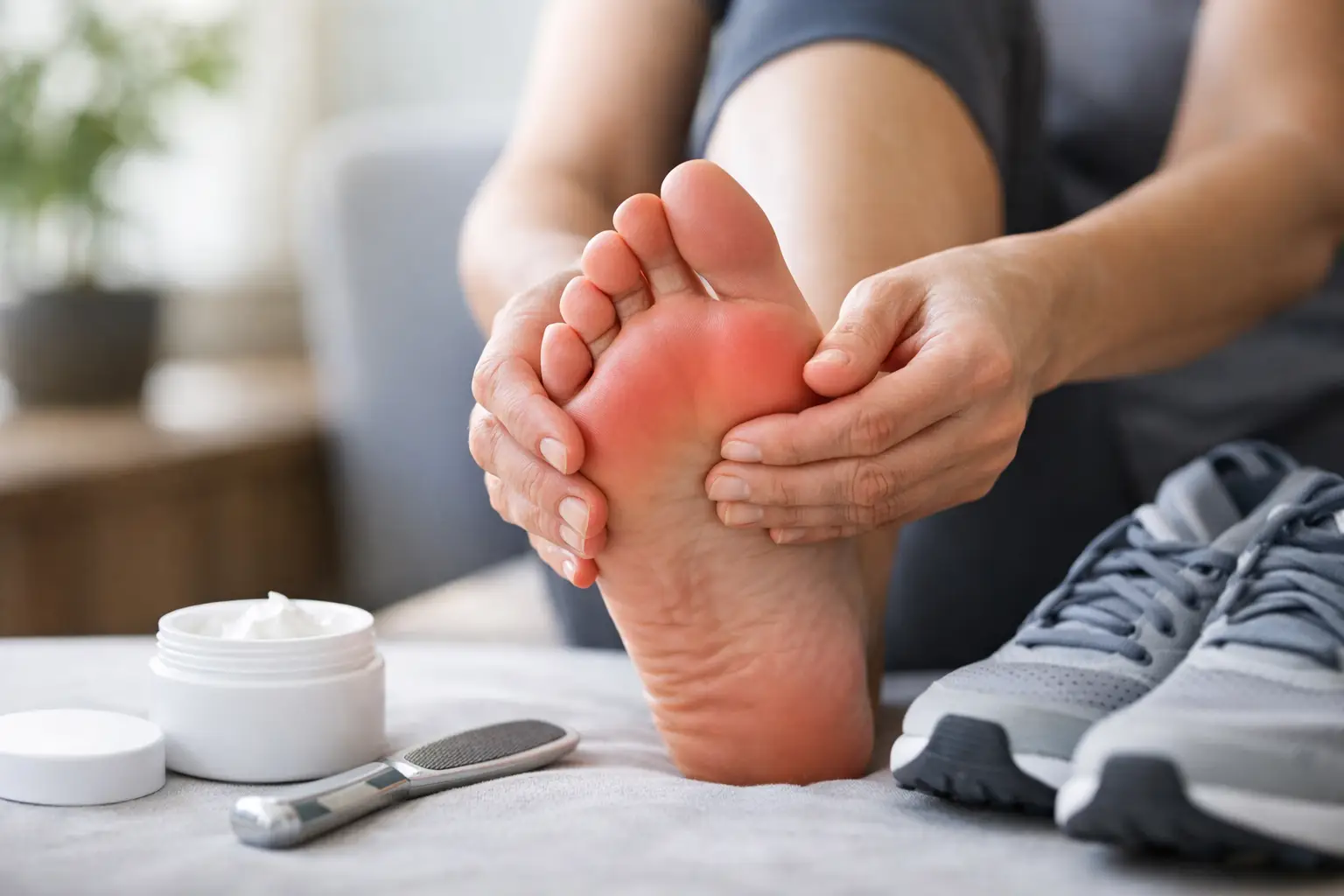
A daily foot check is one of the most effective habits for people living with neuropathy. Choose a time that is easy to remember, such as after bathing or before bed. Look at the tops, soles, heels, sides of each foot, and between the toes. A hand mirror can help with the soles, or a family member or care provider can assist if reaching or seeing your feet is difficult.
You are looking for changes rather than trying to diagnose them yourself: redness, swelling, cracks, blisters, cuts, calluses, drainage, colour changes, bruising, peeling skin, or a toenail that has become loose or ingrown. Feel for areas that are warmer or cooler than the surrounding skin. A warm, red, swollen area can signal inflammation or infection even when it is not painful.
If you find a concern, take pressure off the area and arrange professional assessment promptly. Do not assume it will settle because it does not hurt. With neuropathy, no pain does not necessarily mean no problem.
Keep Skin Clean, Dry, and Protected
Wash your feet daily with lukewarm water and mild soap. Test the water with your elbow, wrist, or a thermometer first, rather than your foot. Numbness can make hot water, heating pads, hot-water bottles, and space heaters dangerous because burns may happen before you notice the temperature.
Dry carefully, especially between the toes. Moisture trapped there can contribute to skin breakdown and fungal infection. Apply a fragrance-free moisturizer to dry skin on the tops and bottoms of the feet, but avoid putting cream between the toes. The goal is supple skin, not damp skin.
Do not try to remove corns, calluses, or hardened skin with blades, chemical corn removers, or aggressive filing. A callus may be your body’s response to repeated pressure, and cutting it down at home can create an opening for infection. It also does not address the cause, which may be footwear friction, a prominent bone, altered gait, or an orthotic need.
Choose Shoes That Reduce Pressure, Not Just Pain
Neuropathy can change how a shoe feels. A shoe may seem comfortable because you cannot feel the pressure it is creating. For that reason, inspect the inside of every shoe before putting it on. Check for pebbles, torn lining, rough seams, dampness, or objects left inside.
Well-fitting footwear should have a wide, deep toe box, secure heel support, and enough room for toes to move without rubbing. The upper should not pinch across bunions, hammertoes, or swollen areas. A fastening such as laces, Velcro, or an adjustable closure helps keep the foot from sliding forward. Slip-on shoes can be convenient, but they may not provide enough stability or adjustability for everyone.
Wear clean, well-fitting socks every day. Choose smooth socks without tight elastic bands or bulky seams, and change them if they become damp. Avoid walking barefoot indoors or outdoors, including on carpet, decks, and at the beach. The risk is not only stepping on something sharp. Bare feet are more exposed to burns, stubbed toes, and unnoticed friction.
For people with diabetes, deformity, recurrent calluses, prior ulcers, or significant loss of sensation, footwear and custom orthotics may need to be more individualized. An orthotic can help redistribute pressure, but it must fit both your foot and your shoe. A poorly fitted device can create a new pressure point.
Be Careful With Nail and Callus Care
Nails can become difficult to manage when vision, flexibility, arthritis, tremors, or neuropathy are involved. If you can safely trim your nails, do so after bathing when they are softer, cutting straight across and smoothing only sharp edges with a file. Do not cut deeply into the corners, dig under nails, or attempt to treat an ingrown nail yourself.
Thick, curved, fungal, or brittle nails often require more than routine trimming. They can press into neighbouring toes or the nail bed, causing wounds that are easy to miss. Professional medical foot care is a safer choice when nails are hard to reach, when circulation is reduced, or when you have a history of ulcers or infection.
Pay Attention to Balance and Changes in How You Walk
Neuropathy can affect more than feeling in the feet. It may reduce awareness of where the foot is in space, making uneven ground, stairs, and quick turns less predictable. Foot pain, numbness, and muscle weakness can also cause people to alter their gait, transferring too much pressure to the forefoot, heel, or outside edge of the foot.
Keep pathways clear, use good lighting, and wear supportive footwear at home rather than loose slippers. If balance is becoming less reliable, discuss it with a healthcare professional. The right plan may include a footwear review, lower-limb assessment, mobility support, exercise guidance, or treatment for pain and swelling. The best option depends on the cause and severity of your neuropathy, your circulation, and your daily activity level.
When a Foot Problem Needs Urgent Attention
Do not wait for a routine visit if you notice a new wound, drainage, redness that is spreading, swelling, a foul odour, or skin that turns dark, blue, or unusually pale. Seek prompt medical care for fever or feeling unwell alongside a foot issue. A wound that is not improving, or a sudden change in the shape of the foot, also needs assessment.
Contact a healthcare professional urgently for any of the following:
- A cut, blister, crack, or ulcer that does not begin improving quickly
- Redness, warmth, swelling, pus, drainage, or an unpleasant odour
- A blackened area, rapidly changing skin colour, or a cold foot
- New severe pain, even if your usual neuropathy causes numbness
- A foot that becomes markedly swollen, warm, or misshapen
Do not apply antiseptics, adhesive products, or home remedies repeatedly to a wound unless a clinician has advised you to do so. Some products can irritate tissue or delay healing. Protect the area from pressure, keep it clean as directed, and have it assessed.
Professional Foot Care Is Preventive Care
Regular professional foot assessments create a baseline for your skin, nails, circulation, sensation, foot shape, and pressure areas. This makes subtle changes easier to identify early. For people who cannot safely inspect or care for their own feet, scheduled care can also provide reassurance and reduce the chance that a small issue is missed.
At Feet & Life in Barrie, nursing-informed foot care can be tailored around neuropathy, diabetes, circulation concerns, mobility limitations, and the practical realities of daily life. Care may include safe nail and skin management, wound monitoring, footwear and pressure assessment, and guidance on when other medical support is needed.
Your feet do not need to be painful to deserve attention. A few consistent routines, paired with early professional care when something changes, can help protect the foundation that carries you through every ordinary and meaningful part of life.