
A thickened nail that catches on a sock, a painful callus beneath the forefoot, or dry skin that has started to split may seem like small problems. Yet for someone with diabetes, reduced circulation, neuropathy, arthritis, or limited mobility, they can become the starting point for infection, a wound, or a loss of confidence when walking. Medical foot care is not simply a cosmetic service. It is practical preventive care that helps protect the comfort, safety, and independence that begin with healthy feet.
What medical foot care is designed to do
Medical foot care focuses on the health concerns that make routine nail and skin maintenance difficult or risky to manage alone. Care is tailored to the person in front of the practitioner: their health history, circulation, sensation, mobility, footwear, and the condition of their skin and nails all matter.
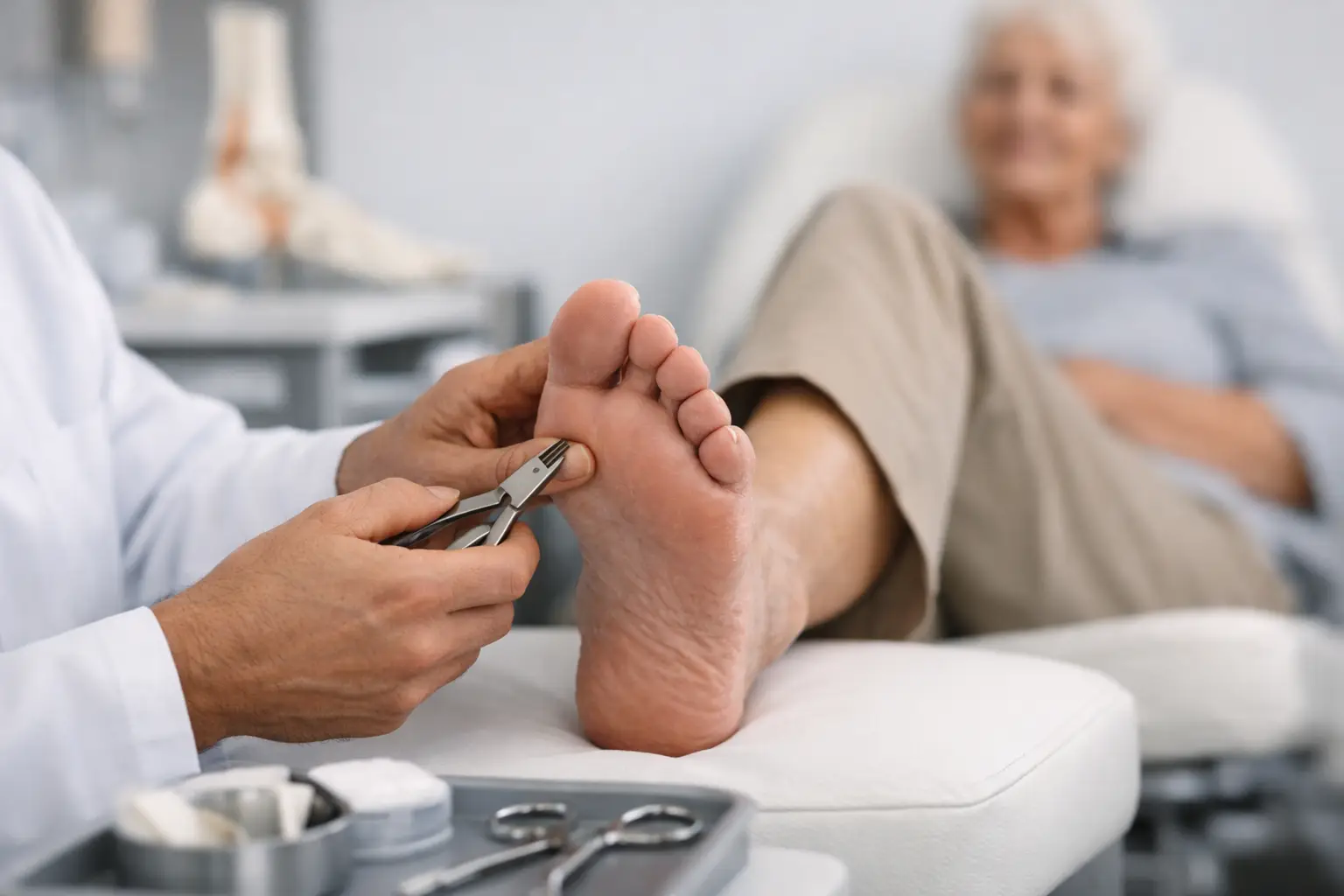
A visit may include safe trimming and thinning of thick or curved nails, reduction of corns and calluses, attention to dry or cracked heels, and assessment of nail changes, skin irritation, pressure areas, swelling, or signs of infection. When needed, care can also be part of a wider plan for fungal nails, wounds, circulation concerns, lower-limb pain, compression therapy, or custom orthotic support.
The goal is not to make feet look a certain way. It is to reduce avoidable pressure, pain, and injury while identifying concerns early. For many clients, that means walking more comfortably. For others, especially those at higher risk, it can mean avoiding a problem that becomes much harder to treat later.
Why small foot problems can carry bigger risks
Feet are exposed to pressure every day. Standing at work, walking through a grocery store, climbing stairs, and wearing shoes that do not fit quite right can all concentrate force in the same areas. Healthy skin and good sensation often provide an early warning: discomfort encourages a person to adjust, rest, or seek help.
That warning system does not work as well for everyone. Peripheral neuropathy can reduce feeling in the feet, so a blister, splinter, burn, or pressure point may not hurt. Poor circulation can limit the oxygen and nutrients needed for tissue repair. Swelling may make shoes tighter and place extra strain on the skin. Vision changes, reduced flexibility, stroke-related limitations, tremors, or dementia can make nail and skin care unsafe to perform independently.
Diabetes deserves particular attention because it can affect sensation, circulation, and healing at the same time. A small break in the skin can progress without much pain, especially if it is hidden beneath a callus or between the toes. This is why regular professional assessment is often recommended for people with diabetes, even when their feet appear to be doing well.
Who benefits from professional foot care?
Medical foot care is valuable at different stages of life and for different reasons. Older adults may need help because bending, reaching, or seeing their feet clearly has become difficult. People with arthritis may find it painful to manage their own nails. Individuals taking blood thinners need extra caution because a small cut can bleed more than expected.
It is also appropriate for people living with diabetes, neuropathy, vascular concerns, chronic swelling, recurring ingrown nails, fungal nails, or a history of wounds. Long-term-care residents often benefit from scheduled maintenance because consistent care helps preserve comfort and catches changes before they become urgent.
Active adults should not assume foot care is only for seniors or people with chronic illness. Runners, tradespeople, healthcare workers, warehouse employees, and anyone who spends long hours on their feet can develop calluses, thick nails, heel pain, arch strain, or repetitive pressure injuries. In these situations, treatment should consider the cause as well as the symptom. Removing a painful callus may provide relief, but footwear, activity demands, gait, and foot mechanics may also need attention if the problem keeps returning.
What happens during a medical foot care appointment
A thorough appointment begins with questions. A practitioner may ask about diabetes, circulation, medications, previous wounds, numbness, pain, recent falls, footwear, and any changes you have noticed. This context helps determine what is safe to do and what requires closer monitoring or referral.
The feet and lower legs are then assessed for skin integrity, colour changes, temperature differences, swelling, nail health, pressure points, and signs of reduced sensation or circulation. Treatment is performed using clean, appropriate techniques, with care adapted to sensitive skin, fragile nails, or complex health needs.
A good appointment also includes education. You may receive guidance on moisturizing safely, drying between the toes, choosing socks and shoes, checking your feet, managing pressure, or knowing when to seek prompt medical attention. This is where individualized care matters. A rich moisturizer can be helpful for cracked heels, for example, but it should not be applied between the toes where excess moisture can contribute to skin breakdown.
When not to manage the problem at home
Home care can support healthy feet, but it has limits. Cutting deeply into an ingrown nail, using sharp tools on a corn, or applying medicated corn removers without professional advice can damage healthy skin. The risk is higher for people with diabetes, poor circulation, numbness, thin skin, or a history of ulcers.
Do not wait for a routine appointment if you notice a new wound, increasing redness, warmth, drainage, swelling, a foul odour, blackened skin, sudden discolouration, or pain that is rapidly worsening. These symptoms may need timely medical assessment. A wound that is painless is not necessarily minor, particularly when neuropathy is present.
The right next step depends on the issue. Some concerns can be treated through regular foot care and pressure reduction; others require wound management, medical investigation, vascular assessment, or a coordinated plan with a primary-care provider. Early attention creates more options and usually makes care less complicated.
Foot care between appointments
Daily habits make professional care more effective. Check the tops, soles, heels, and spaces between your toes each day. If reaching or seeing your feet is difficult, use a mirror or ask someone you trust to help. Keep feet clean and dry, wear clean socks, and choose shoes with enough width and depth that toes are not crowded.
Avoid walking barefoot, particularly outdoors or in unfamiliar areas. Before putting on shoes, feel inside for a pebble, rough seam, or object that could rub the skin. Replace worn footwear when the sole no longer supports you properly, and break in new shoes gradually rather than wearing them for a full day immediately.
Pay attention to patterns. If a callus returns in the same spot, a toenail thickens repeatedly, or heel pain appears after a shift, your feet may be signalling an issue with pressure, footwear, or biomechanics. Relief matters, but understanding why the problem is recurring is often what protects long-term mobility.
Medical foot care is part of staying independent
Being able to walk comfortably affects far more than exercise. It supports errands, social plans, work, sleep, balance, and the simple confidence of moving through daily life without guarding every step. When foot pain or neglected nail and skin issues make walking harder, people often become less active, which can affect strength, circulation, and overall well-being.
At Feet & Life in Barrie, care is approached with this bigger picture in mind. The focus is on addressing today’s discomfort while helping clients understand the risks, routines, and treatment options that support healthier movement over time.
If your feet are becoming difficult to manage, or if a minor concern is not improving, arranging professional assessment is a practical act of prevention. Comfortable, well-supported feet can make everyday life feel more possible.