

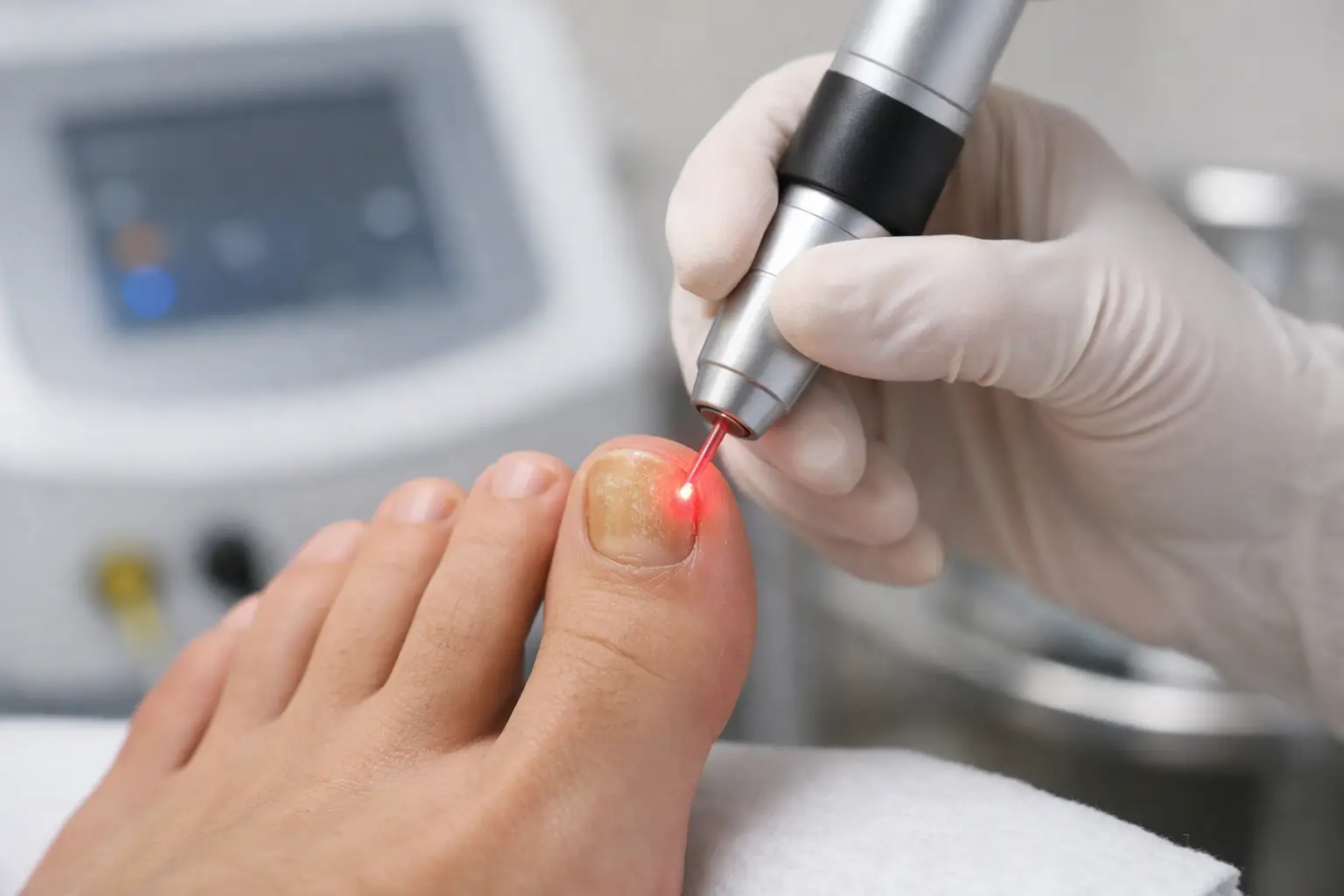
A thick, yellow or brittle toenail can seem like a cosmetic concern until it catches on a sock, presses painfully into a shoe, or becomes difficult to trim safely. Fungal toenail laser treatment is one option people consider when they want to address a suspected nail infection without relying only on oral medication. It can be a useful part of care for some people, but the best results begin with an accurate diagnosis, realistic expectations, and a plan to protect the new nail as it grows.
Toenail fungus, also called onychomycosis, is common and often stubborn. The fungus settles beneath or within the nail plate, where over-the-counter creams may not reach effectively. Because toenails grow slowly, even a successful treatment does not produce a clear-looking nail overnight. The visible improvement comes as healthier nail gradually grows forward from the base.
What fungal toenail laser treatment is designed to do
Laser treatment uses focused light energy directed at the affected nail and, depending on the device and treatment plan, the surrounding skin. The goal is to create conditions that damage fungal organisms while minimizing injury to the surrounding tissue. Appointments are generally brief, and most people can return to normal daily activities right away.
People often ask whether laser treatment hurts. Sensation varies. Some feel warmth or a brief prickling feeling, particularly where the nail is thick, while others feel very little. A qualified practitioner can adjust the approach, monitor comfort, and assess whether the nail needs careful thinning or debridement first. Reducing excess thickness can improve comfort in footwear and may help treatment reach the area more effectively.
Laser treatment is not a guaranteed cure, and it should not be presented as one. Research on laser therapy for nail fungus has shown mixed results, partly because studies use different devices, treatment schedules, and definitions of success. Some clients see clearer new growth and improvement in nail texture; others require additional sessions, combined treatment, or a different approach. The condition of the nail, the number of nails involved, circulation, immune health, footwear habits, and the true cause of the nail change all matter.
First, make sure the nail change is actually fungus
Not every thick, discoloured nail is fungal. Trauma from tight footwear, running, arthritis-related pressure, psoriasis, eczema, poor circulation, and normal ageing can all alter the appearance and shape of a toenail. A nail may also have more than one issue at once, such as fungal infection plus repeated pressure from a toe deformity.
This is why professional assessment matters before investing time and money in fungal toenail laser treatment. A practitioner can examine the nail, skin, footwear pressures, circulation, and signs of infection. When appropriate, a nail sample may be recommended to help confirm the cause. Treating a nail as fungus when it is actually damaged by pressure will not solve the underlying problem.
For people living with diabetes, neuropathy, reduced circulation, or a history of foot wounds, assessment is especially important. A thick nail can create pressure against the neighbouring toe or inside a shoe. If sensation is reduced, that pressure may go unnoticed until skin breaks down. Safe nail reduction and regular monitoring are often as important to comfort and prevention as the antifungal strategy itself.
Who may be a good candidate?
Laser therapy may be worth discussing if one or more nails are thickened, yellowed, crumbly, lifting from the nail bed, or repeatedly difficult to manage. It may appeal to people who cannot take oral antifungal medication because of potential drug interactions, liver concerns, or other health factors. It can also suit someone who prefers a localized treatment option and understands that results take time.
However, laser is not automatically the best choice for every case. Oral antifungal medication can be effective for confirmed fungal infections, especially when several nails are involved or infection is extensive, but it requires medical assessment and may involve bloodwork or medication review. Prescription topical treatments may be considered for milder infections, though they require consistent application over many months. In certain cases, combining professional nail care with topical, oral, or laser-based treatment offers the most practical path.
A personalized plan should also account for mobility and self-care ability. If reaching the feet is difficult because of arthritis, back pain, vision changes, stroke-related limitations, or balance concerns, asking someone to apply a product perfectly every day may not be realistic. A treatment plan that a person can safely follow is more valuable than an ideal plan that is impossible to maintain.
When to seek care promptly
Do not wait for a routine appointment if there is redness, swelling, heat, drainage, a new wound, increasing pain, or a spreading change in skin colour. These symptoms may signal a bacterial infection or skin breakdown rather than a simple nail fungus issue. People with diabetes or poor circulation should seek prompt professional guidance for any new foot concern, even when pain is minimal.
What results can you realistically expect?
The treatment session is only one part of the timeline. A big toenail often takes 12 to 18 months to grow out fully, and it may take longer in older adults or people with reduced circulation. Early signs of progress may include a clearer band of nail emerging near the cuticle, less debris beneath the nail, reduced thickness, or less pressure in shoes.
The damaged portion of the nail will not turn clear again. It needs to grow out and be trimmed away gradually. This can be discouraging when the nail has been affected for years, but it is also why before-and-after expectations should focus on healthy new growth rather than a rapid cosmetic change.
Reinfection is possible even after improvement. Fungus thrives in warm, damp environments, and it can persist in footwear, on skin, and around shared wet areas. Athlete’s foot between the toes should be addressed at the same time, or it can continue to expose the nail to fungal organisms. Family members may also have untreated infections that contribute to recurrence.
Protecting treatment results between appointments
Daily habits do not replace clinical treatment, but they can make a meaningful difference. Keep feet clean and dry, including between the toes, and change socks when they become damp. Choose breathable footwear that does not crowd the toes. Alternating shoes gives them time to dry, while washing socks regularly in hot water can help reduce fungal exposure.
Avoid sharing nail tools, footwear, or towels. If you use a nail file or clipper at home, clean it carefully and do not use the same tool on unaffected nails without disinfecting it. For people with diabetes, neuropathy, poor eyesight, or limited flexibility, it is safer not to cut thick or curved nails independently. Small cuts to the skin can become significant when healing is delayed.
Footwear deserves attention too. Repeated pressure can thicken nails and make a fungal nail more painful, even when infection is improving. Shoes should have enough depth and toe room. If your foot shape, gait, swelling, or lower-limb pain is affecting how shoes fit, addressing those factors can protect both the nail and the skin around it.
A whole-foot approach supports lasting comfort
A fungal nail is rarely just about appearance. It can affect confidence, walking comfort, balance, footwear choices, and the ability to care for your own feet. For an older adult or anyone managing diabetes, circulation changes, or reduced sensation, it can also be an early reason to establish regular professional foot care before a more serious problem develops.
At Feet & Life, care begins by looking beyond the nail itself. The right plan may include safe reduction of thick nails, skin assessment, advice on footwear and hygiene, laser therapy where appropriate, and follow-up that tracks healthy nail growth over time. The goal is not simply to make a nail look better, but to keep feet comfortable, protected, and ready to carry you through daily life.
If a toenail has changed colour, thickness, or shape, arranging an assessment is a practical next step. Early care can reduce pressure, clarify the cause, and give healthier nail growth the best possible chance.