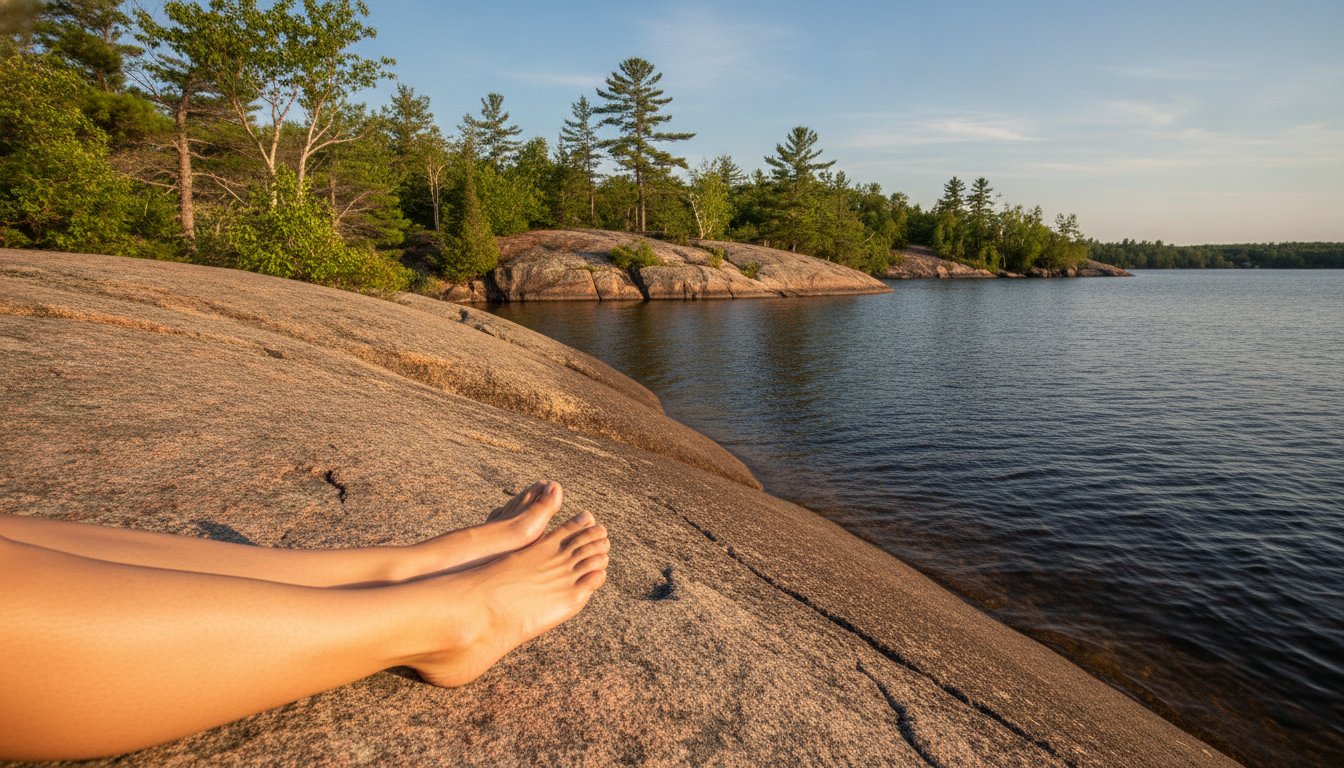
Have you found yourself choosing closed-toed shoes for a summer day at the waterfront just to hide yellowed, thickened toenails? You aren’t alone in feeling that sting of embarrassment at the gym or the beach. Many residents struggle for years with persistent infections, only to find that drugstore lacquers and home remedies simply don’t reach the source of the underlying problem. If you’re seeking a professional solution, fungal nail laser treatment Barrie offers a clinical, non-invasive way to address the infection directly. It’s a modern intervention designed to help you regain your confidence without the systemic risks often associated with oral medications.
We understand how frustrating it is when your efforts to achieve healthy nails feel like a losing battle. In this guide, you’ll discover how advanced laser technology provides a precise, pain-free alternative for clearing persistent fungus. We’ll look at the clinical science behind these specialized tools, the timeline for healthy nail regrowth, and what to expect from an expert-led procedure. By focusing on a methodical, patient-centred approach, you can finally move past the discomfort of thickened nails and look forward to showing off your feet again.
Key Takeaways
- Understand why onychomycosis is so resistant to topical creams and how laser technology targets the pathogen beneath the protective nail plate.
- Discover how fungal nail laser treatment Barrie offers a non-invasive solution without the systemic risks often linked to oral antifungal medications.
- Learn about the clinical assessment and debridement process required to ensure the most effective and thorough treatment outcomes.
- Realize the importance of long-term prevention strategies and the typical six-to-twelve-month timeline for full, healthy nail regrowth.
Understanding Onychomycosis: Why Fungal Nails are Difficult to Treat
Onychomycosis is far more than a simple cosmetic concern; it’s a persistent fungal infection that takes hold within the nail bed and the nail plate itself. This condition occurs when microscopic organisms, usually dermatophytes, find a warm, moist environment to thrive. Once the infection is established, the fungus creates a biological stronghold that is notoriously difficult to dislodge. For many residents, seeking professional fungal nail laser treatment Barrie becomes the most reliable path toward restoring nail health after other methods have failed.
The primary challenge lies in the fungus’s ability to hide. It burrows beneath the protective layers of keratin, which effectively shields the pathogen from external environment and many topical treatments. While most people first notice a change in colour, the symptoms often progress to include significant thickening, brittleness, and a buildup of chalky debris under the nail edge. These changes aren’t just unsightly; they can cause physical discomfort when wearing shoes or participating in daily activities.
Beyond the physical symptoms, chronic infections carry a heavy psychological weight. In a community like Barrie, where active lifestyles often involve visits to the Centennial Beach or local fitness centres, the embarrassment of discoloured nails can lead to social withdrawal. Many people stop wearing sandals or avoid barefoot activities altogether. This frustration is often compounded by the “cycle of frustration” that comes from using ineffective over-the-counter solutions for months with no visible improvement.
The Anatomy of a Fungal Infection
To understand why this condition is so stubborn, we must look at the relationship between the nail matrix, the nail bed, and the plate. The fungus doesn’t just sit on top; it actively feeds on the keratin that makes up your nails to survive and expand. As the pathogen spreads, it alters the very structure of the nail unit, leading to the characteristic distortion and separation from the bed. Because the nail plate is a dense, non-vascular structure, it acts as a physical fortress that prevents immune cells and standard creams from reaching the active infection site.
Why Traditional Topicals Often Fail
Many patients start their journey with drugstore lacquers, only to find that these products lack the penetration depth required to reach the root of the problem. Research indicates that topical treatments often have cure rates as low as 6% to 23% because they cannot bypass the thick, yellowed layers of a diseased nail. When progress isn’t seen quickly, patients often stop treatment too early, allowing the fungus to return even stronger. Addressing thick yellow toenails requires a clinical intervention that can bypass the keratin barrier to neutralize the pathogen where it lives. For those dealing with nails that have become dense and distorted, exploring laser treatment for thick nails provides a detailed look at how advanced technology addresses this specific challenge.
The Science of Fungal Nail Laser Treatment: How it Works
Clinical fungal nail laser treatment Barrie relies on the sophisticated principle of selective photothermolysis. This process allows specific wavelengths of light, often in the 1064nm range, to pass through the dense keratin of the nail plate. These targeted beams focus on the darker pigments within the fungal cells without damaging the surrounding healthy tissue or skin. By concentrating energy on the fungal colony, the laser effectively heats the genetic material of the organism. This thermal impact disrupts the pathogen’s ability to reproduce, effectively halting the spread of the infection from within the nail unit.
Beyond simply neutralizing the fungus, the procedure offers a secondary therapeutic benefit by encouraging healthy regrowth. The controlled heat generated during a session stimulates increased local blood circulation in the nail bed. This surge in circulation is vital, as it delivers necessary nutrients and immune response components to the site of the infection. As highlighted in this patient guide to laser nail therapy, the ultimate goal is to foster an environment where clear, healthy tissue can gradually replace the damaged portions of the nail over several months.
Thermal vs. Cold Laser Technology
Professional clinics generally utilize high-intensity thermal lasers or low-level light therapy (LLLT), sometimes referred to as “cold” lasers. Thermal lasers, such as the Cutera GenesisPlus or PinPointe FootLaser, use heat to physically destroy the fungal colony. Clinical trials for these devices have shown impressive results; the Cutera GenesisPlus has demonstrated cure rates as high as 85%, while the PinPointe system shows significant improvement in 60% to 65% of patients. While the word “heat” might seem concerning, the procedure is designed to be comfortable, with most patients reporting only a mild warming sensation during the application.
The Role of Photo-Inactivation
Photo-inactivation occurs when light energy disrupts the fungal cell membrane and its internal structures. Unlike oral medications, which pathogens can sometimes adapt to over time, this physical disruption prevents the fungus from developing resistance. Using clinical-grade equipment in a professional Barrie setting ensures that the light intensity is precisely calibrated to achieve these results safely. If you’re ready to move beyond the limitations of surface-level creams, considering specialized laser therapy can provide the clinical precision required for long-term nail health.
Comparing Laser Therapy to Oral Meds and Topicals
When selecting a treatment path for persistent infections, residents typically weigh the convenience of drugstore lacquers against the clinical strength of other medical options. While we’ve explored how the nail’s structure prevents creams from being effective, the safety profile of the intervention itself is often the most critical factor for patients. Fungal nail laser treatment Barrie provides a specialized alternative that bridges the gap between surface-level care and systemic medications, offering a solution that is both potent and localized.
The financial reality of chronic nail issues also plays a role in the decision-making process. Many individuals spend years purchasing various over-the-counter antifungal programmes that fail to produce long-term results. When you calculate the cumulative cost of these ineffective products, alongside the potential for the infection to spread to other family members, a professional course of laser therapy often proves to be the more efficient investment. It shifts the focus from managing symptoms to achieving a definitive clinical outcome.
Laser vs. Oral Anti-Fungals: Safety First
Oral medications, such as Terbinafine, have long been a standard medical approach, yet they come with significant systemic considerations. Because these drugs are processed through the liver, patients often require baseline and periodic blood tests to monitor liver enzyme levels. This requirement makes oral antifungals a complex choice for seniors or individuals who are already managing multiple prescriptions for other health conditions. Laser therapy offers a distinct advantage by remaining entirely localized; it neutralizes the pathogen without ever entering the bloodstream. This makes it an ideal clinical choice for those who prioritize safety and wish to avoid the potential side effects of systemic drug therapy.
Efficacy Rates and Clinical Outcomes
Clinical studies consistently show that light-based interventions provide a superior success rate compared to topical lacquers, particularly when the infection has progressed to involve the nail matrix. At Feet & Life / Health for Life, we’ve found that the most successful results come from a multi-modal approach. By combining fungal nail laser treatment Barrie with professional medical foot care, we ensure the nail is properly prepared for maximum light absorption. This integrated strategy, delivered within our practitioner-led facility, addresses the physical thickness of the nail while simultaneously targeting the underlying fungal colony. This comprehensive method ensures that our patients in Simcoe County receive the highest standard of clinical attention for their foot health.
What to Expect During Your Laser Session in Barrie
Entering a clinical setting for fungal nail laser treatment Barrie is a straightforward and professional experience. Unlike a standard pedicure, this is a medical procedure focused on long-term health and pathogen elimination. Your first visit begins with a thorough assessment of your foot health, including a biomechanical review. We examine how your footwear and foot structure might be contributing to the environment where fungus thrives. This holistic view ensures that we aren’t just treating the symptoms, but also addressing the factors that allowed the infection to take hold in the first place.
During the procedure, you’ll feel a distinct sensation of warmth as the laser moves across the nail plate. Some patients describe it as a light tingling or a localized heat. It’s generally quite comfortable, and our clinical professionals monitor your feedback throughout the session to ensure the intensity is effective yet tolerable. A typical session lasts approximately 30 minutes. Depending on the severity of your infection, you might require between one and four sessions, though more persistent cases may need additional follow-up visits to ensure the pathogen is fully neutralized.
Step-by-Step Clinical Protocol
- Step 1: Clinical Consultation and Diagnosis. We confirm the presence of onychomycosis and determine the specific type of infection to tailor the laser settings.
- Step 2: Professional Debridement. This is a critical preparation phase where we thin the thickened nail. Reducing this barrier allows the laser energy to penetrate much deeper into the nail bed than it could otherwise.
- Step 3: Systematic Application. The laser is applied in a grid-like pattern across the affected nails. We often treat adjacent “at-risk” nails as well to prevent the microscopic spread of spores.
Preparation Tips for Your Appointment
To get the most out of your visit, please remove all nail polish or lacquers at least 24 hours before your arrival. This allows the nail to be fully visible for assessment. We also ask that you wash your feet thoroughly and bring a fresh, clean pair of socks to wear after the session. Putting your treated feet back into contaminated socks can lead to immediate re-exposure. Many patients feel anxious about the appearance of their feet, but please remember that we’re clinical professionals who see these conditions daily. Our focus is entirely on your care and comfort. If you’re ready to begin your journey to clearer nails, you can book your clinical assessment today to discuss a personalized plan.
Recovery and Prevention: Ensuring Long-Term Success
Completing your clinical sessions is a significant milestone, but the journey to fully restored nail health continues at home. While fungal nail laser treatment Barrie effectively neutralizes the active pathogen within the nail unit, it doesn’t provide permanent immunity against new environmental exposure. Fungal spores are microscopic and remarkably resilient, often surviving in damp areas or within the fibres of your favourite footwear. Protecting the results of your clinical intervention requires a methodical approach to hygiene and environmental management to ensure the infection doesn’t find a way back.
Patience is perhaps the most important part of the post-treatment phase. You won’t see a clear nail immediately after the laser session because the device kills the fungus but cannot instantly repair the existing damaged tissue. Instead, you’ll observe a line of healthy, clear growth slowly emerging from the base of the nail. It typically takes between 6 and 12 months for a full toenail to replace itself. During this time, professional medical foot care remains essential to monitor the regrowth and ensure that the nail plate remains thin and healthy as it advances. Understanding the full clinical path, including how laser treatment for thick nails in Barrie supports clearer regrowth, can help you set realistic expectations for your recovery timeline.
To support this regrowth, maintaining a sterile home environment is critical. We recommend a consistent routine to eliminate lingering spores from your daily surroundings:
- Disinfect shower floors and bath mats weekly using a bleach-based cleaner or a proven antifungal solution.
- Wash all socks, towels, and bed linens in hot water, ideally at 60°C, to neutralize dormant spores.
- Discard or thoroughly sanitize any nail care tools, such as clippers or files, that were used while the infection was active.
- Avoid walking barefoot in public change rooms or pool decks, even during the recovery phase.
Footwear Hygiene and Home Care
In our local climate, Barrie residents spend many months in heavy, insulated winter boots. These environments often trap moisture and heat, creating a perfect breeding ground for fungi to thrive. To combat this, we suggest using antifungal sprays or UV shoe sanitizers daily to treat your footwear. Choosing moisture-wicking socks made from natural merino wool or specialized synthetic blends can also help keep your feet dry during long winter walks or gym sessions. Furthermore, learning to trim your nails straight across prevents the micro-trauma that can act as an entry point for a recurring infection.
The Feet & Life / Health for Life Caring Approach to Aftercare
Our nurse-led team at Feet & Life / Health for Life provides a dedicated support system to guide you through the months following your procedure. We establish a structured follow-up schedule to monitor your healthy nail growth and provide expert advice on any challenges you face at home. This steady, patient-centred approach ensures you feel confident and informed throughout the entire healing process. Our goal is to help you achieve lasting foot wellness through a combination of advanced technology and thorough education. If you’re ready to move toward a future with healthier, clearer nails, book your fungal nail consultation at Feet & Life / Health for Life to begin your personalized care plan.
Reclaim Your Confidence with Expert Clinical Care
Choosing to address persistent nail issues is an investment in your daily comfort and overall quality of life. We’ve explored how advanced technology bypasses the biological barriers that make traditional treatments fail, offering a localized solution that prioritizes your safety. By opting for fungal nail laser treatment Barrie, you’re moving beyond the “cycle of frustration” and toward a methodical, clinical path to recovery that targets the infection at its source.
At Feet & Life / Health for Life, our nurse-led team is dedicated to providing specialized, non-invasive care within a professional environment. We serve the Barrie and Simcoe County communities with a focus on long-term health rather than quick fixes, ensuring you have the expert guidance needed to maintain your results. You don’t have to hide your feet or settle for ineffective remedies any longer. Our empathetic approach and commitment to clinical excellence are here to support your journey to healthier nails with transparency and care.
Book Your Fungal Nail Assessment in Barrie Today and take the first step toward a future of foot wellness with the dedicated professionals at Feet & Life / Health for Life. We look forward to helping you achieve the clear, healthy results you deserve.
Frequently Asked Questions
Is laser fungal nail treatment painful?
Laser therapy is generally a comfortable procedure that does not require anaesthesia. Most patients describe the sensation as a localized warming or a light tingling as the light energy moves across the nail plate. Our clinical professionals monitor your comfort levels throughout the session to ensure the heat intensity remains effective yet tolerable for your specific needs.
How many laser sessions will I need to see results?
The number of sessions depends on the severity of the infection, but most patients require between one and four treatments to achieve optimal results. While some mild cases respond quickly, more persistent infections may need additional follow-up visits. We establish a clear treatment plan during your initial assessment to ensure the pathogen is thoroughly neutralized before the healthy nail begins its growth cycle.
Is laser treatment for toenail fungus covered by OHIP or private insurance?
OHIP does not currently cover laser therapy for fungal nails because it’s classified as an elective or aesthetic procedure. However, many private insurance providers or Health Spending Accounts (HSAs) in Canada may offer reimbursement for specialized medical foot care. It’s always a good idea to contact your specific insurance representative to verify if your plan includes coverage for clinical laser interventions.
How long does it take for the yellow to disappear after laser treatment?
The discolouration does not vanish immediately because the laser kills the fungus but cannot clear the existing damaged nail. You’ll see the yellowing disappear as the healthy, clear nail grows out from the base, which typically takes between 6 and 12 months for a full toenail. Patience is vital as you wait for the new tissue to replace the infected portions of the nail plate.
Can I wear nail polish during or after my laser therapy?
You must remove all nail polish at least 24 hours before your session so the laser can penetrate the nail plate effectively. After your treatment, it’s best to avoid traditional polishes that trap moisture, as this can encourage fungal regrowth. If you choose to wear polish during the recovery phase, we recommend using specialized breathable lacquers designed to maintain nail health.
Is laser therapy safe for people with diabetes?
Laser therapy is a safe, non-invasive option that is often preferred for individuals managing diabetes. Because it’s a localized treatment with no systemic side effects, it avoids the risks associated with oral antifungal medications. Our nurse-led team provides a high standard of care, ensuring that every session is conducted with the meticulous attention required for diabetic foot health.
What is the success rate of fungal nail laser treatment compared to creams?
Clinical fungal nail laser treatment Barrie provides significantly higher success rates than over-the-counter topical creams. Research shows that while topical lacquers often have cure rates between 6% and 23%, high-intensity laser systems have demonstrated success rates as high as 85% in clinical trials. This is because the laser reaches the pathogen beneath the nail, whereas creams often fail to penetrate the dense keratin barrier.
Do I need a referral from a doctor to get laser treatment in Barrie?
You don’t need a formal referral from a family physician to access our specialized laser services. Residents can book a clinical assessment directly with our team to discuss their concerns and begin a professional treatment plan. This direct access allows you to start your journey toward clearer, healthier nails without the delay of waiting for a general practitioner’s appointment.