
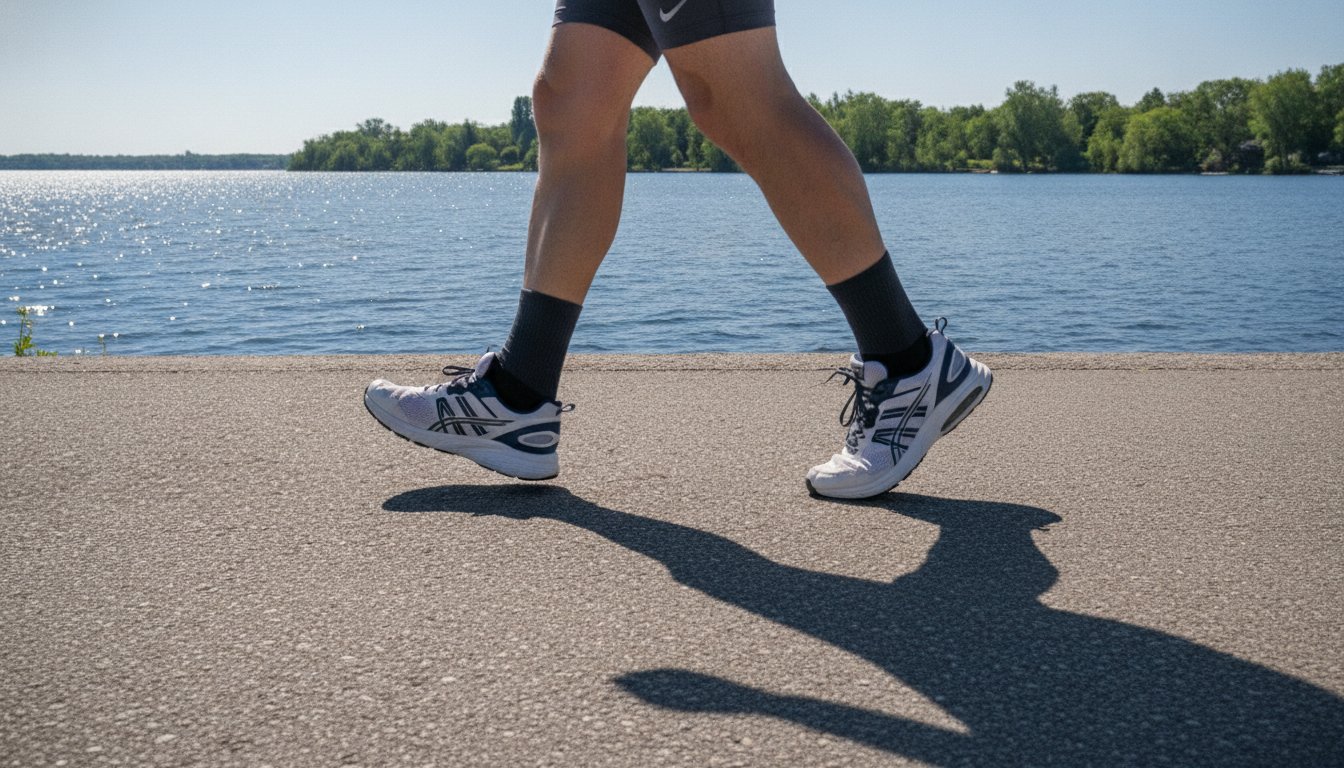
Imagine swinging your feet out of bed, only to have that first step feel like a sharp, stabbing needle in your heel. You might have already spent hundreds of dollars on new running shoes or gel inserts, hoping for relief that never quite arrives. It’s exhausting to feel sidelined from your favourite weekend walks along the Barrie waterfront because your body won’t cooperate. If you’ve been wondering whether you need better arch support or a medical intervention, you aren’t alone.
The truth is that lasting relief often requires more than a retail solution. By consulting a heel pain specialist Barrie residents can access a clinical, nurse-led approach to foot health that prioritizes long-term mobility. In this guide, we’ll explore the medical causes behind your discomfort and how specialized, non-invasive treatments like custom orthotics can resolve the root issue. You’ll discover how a professional biomechanical assessment can finally bridge the gap between temporary fixes and true recovery, helping you return to the activities you love without the need for invasive surgery.
Key Takeaways
- Understand why morning “first steps” are a clinical indicator of biomechanical stress rather than just a sign of aging or unsupportive shoes.
- Discover why a heel pain specialist Barrie patients trust can identify causes beyond plantar fasciitis, such as heel spurs, through precise clinical imaging.
- Learn how custom-engineered orthotics provide a medical-grade foundation for your feet that generic drugstore insoles simply can’t match.
- Realize what to expect during a non-invasive biomechanical assessment and how it informs a personalized treatment plan for lasting mobility.
- Explore how professional, nurse-led foot care helps you return to your daily routines and waterfront walks without the need for invasive surgery.
Understanding Chronic Heel Pain: When to See a Specialist in Barrie
Chronic heel pain is rarely just a temporary soreness. Instead, it acts as a clinical signal that your lower limb is under excessive biomechanical stress. While many people believe that simply staying off their feet will resolve the issue, rest often fails to address the underlying structural causes. When you stop moving, the inflammation may subside slightly, but the moment you resume activity, the same mechanical imbalances continue to strain the tissue. This is why consulting a heel pain specialist Barrie residents rely on is essential for identifying the root cause before a minor ache turns into a debilitating condition.
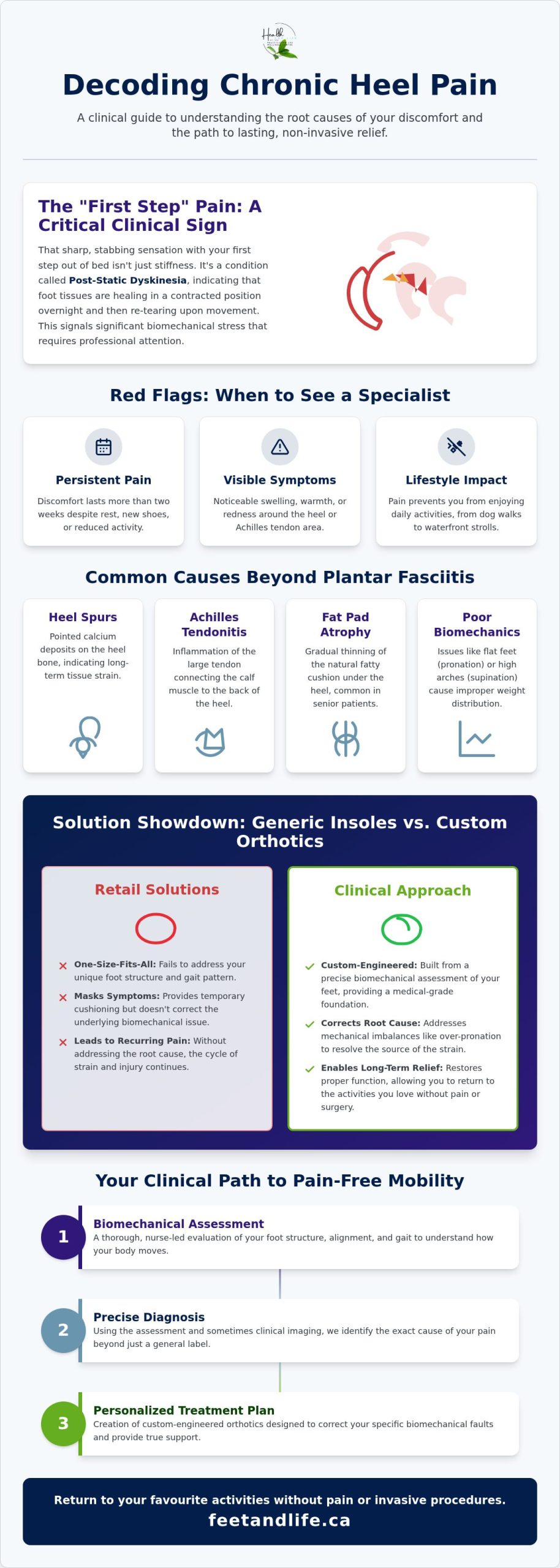
One of the most recognizable signs of clinical concern is post-static dyskinesia. This is the sharp, stabbing sensation felt during those first steps after waking up or after sitting for a long period. As you sleep, your foot tissues attempt to heal in a contracted position. Stepping down forces them to stretch suddenly, causing micro-tears that trigger intense pain. Seeking a heel pain specialist Barrie can trust ensures you receive a biomechanical assessment that looks at the whole foot, not just the symptom.
The Anatomy of the Heel and Why it Fails
The heel is anchored by the calcaneus, which is the largest bone in your foot. It’s designed to absorb the initial impact of every step you take. Supporting this structure is the plantar fascia, a thick band of connective tissue that runs along the bottom of your foot. It acts like a shock-absorbing bowstring for your arch. When your foot mechanics are misaligned, this band is stretched beyond its capacity. Over time, this repetitive strain leads to microscopic tears and chronic inflammation. Without a professional assessment to correct these mechanics, the cycle of damage and failed healing continues.
Red Flags That Require a Professional Assessment
It’s often difficult to know when to transition from home care to clinical treatment. You should consider a professional evaluation if you experience any of the following symptoms:
- Pain that persists for more than two weeks despite changing your footwear or reducing activity levels.
- Visible swelling, warmth, or redness around the heel or the Achilles tendon area.
- Persistent discomfort that prevents you from enjoying local life, such as walking the dog at Sunnidale Park or strolling through the downtown core.
Early intervention is vital for a full recovery. A specialized approach focuses on restoring function and preventing long-term damage to the soft tissues of the foot. By addressing the problem early, you can avoid the complications that arise when the body tries to compensate for foot pain by altering your gait, which often leads to knee or hip issues.
Common Causes of Heel Pain Beyond Plantar Fasciitis
Many patients assume that any sharp pain in the lower foot must be plantar fasciitis. While this condition is common, a heel pain specialist Barrie residents consult often identifies alternative clinical causes that require different therapeutic approaches. Understanding these distinctions is the first step toward effective management. If you’ve tried resting your feet without success, the issue likely stems from a different structural or systemic source.
- Heel Spurs: These are calcium deposits that form on the underside of the heel bone. They typically develop over several months of repetitive strain. While they aren’t always painful, they appear on clinical imaging as a pointed bony protrusion, indicating a long-standing issue with the surrounding soft tissues.
- Achilles Tendonitis: This involves the large tendon that connects your calf muscles to your heel bone. Pain is often felt at the back of the heel rather than the bottom. This is frequently exacerbated by a heavy heel strike during walking or running, which puts immense pressure on the insertion point at the calcaneus.
- Fat Pad Atrophy: In senior patients, fat pad atrophy is a frequent culprit. This is the gradual thinning of the natural adipose tissue that cushions the heel bone. Without this protection, everyday movement can feel like walking directly on the bone, leading to chronic bruising and discomfort.
The Role of Foot Alignment and Mechanics
Your foot’s shape dictates how it handles weight. Over-pronation, or flat feet, causes the foot to roll inward excessively. This movement puts intense tension on the heel’s connective tissues. Conversely, high arches, known as supination, result in poor shock absorption because the foot is too rigid. Biomechanics is the study of how your foot moves during a stride. Identifying these mechanical flaws is a core service provided by a heel pain specialist Barrie clinic, ensuring your treatment addresses the way you move.
Systemic Factors and Lifestyle Influences
Sudden increases in physical activity often trigger acute episodes of pain. Transitioning from a sedentary routine to long walks through downtown Barrie without support can lead to injury. Footwear that prioritizes aesthetics over structural integrity fails to protect the heel from hard urban surfaces. Systemic health also plays a significant role. For example, diabetic foot care Barrie services require a meticulous focus on heel health, as reduced circulation can significantly slow the healing of micro-tears in this area. If you’re unsure why your discomfort persists, a professional biomechanical assessment can provide the clarity you need.
Medical Assessment vs. Retail Solutions: Why a Specialist Matters
Many patients attempt to resolve their discomfort by visiting a local shoe store or purchasing generic insoles from a drugstore. While these “comfort” solutions might provide temporary relief by cushioning the impact, they rarely address the structural misalignment causing the pain. There is a significant difference between a shoe designed for comfort and a medically engineered orthotic device. By consulting a heel pain specialist Barrie residents can move past the trial-and-error phase of retail products and receive a targeted clinical intervention.
The danger of self-diagnosing with retail inserts is that “soft” is not always better for a damaged plantar fascia. In fact, excessive cushioning can sometimes allow the arch to collapse further, placing even more strain on the inflamed tissues. A nurse-led clinical perspective focuses on patient education, helping you understand that stability and corrective support are the true foundations of recovery. We prioritize long-term health over the immediate, fleeting sensation of softness.
The Limitations of Fashion and Comfort Footwear
High-quality retail brands often promote “all-day wearability” or purpose-driven designs. While these shoes are excellent for healthy feet, they lack the specific corrective geometry required to treat pathological pain. Even the most expensive “comfort” shoes cannot fix structural issues like over-pronation or significant arch collapse. These retail options often mask your symptoms while the underlying condition continues to worsen. Without professional stabilization, the micro-tears in your connective tissue may become chronic, leading to a much longer recovery period down the road.
The Clinical Advantage of a Biomechanical Exam
A professional gait analysis reveals exactly how your foot moves during every phase of a stride. It identifies whether your heel pain stems from poor shock absorption, excessive inward rolling, or a combination of factors. Choosing a professional foot pain assessment Barrie residents can trust is the first step toward a personalized treatment plan. This assessment allows a heel pain specialist Barrie clinic to pinpoint the root cause of your stress rather than just treating the surface symptoms. By understanding the unique mechanics of your lower limbs, we can recommend non-invasive solutions that provide lasting stability and restore your mobility.
What to Expect During Your Clinical Heel Pain Assessment in Barrie
Visiting a medical clinic can sometimes feel intimidating, but a professional consultation is a collaborative and reassuring process. When you meet with a heel pain specialist Barrie residents trust, the focus is on a thorough, non-invasive examination designed to identify the specific source of your discomfort. Our nurse-led approach prioritizes listening to your history with empathy. This clinical perspective ensures we understand how your pain affects your quality of life, allowing us to gather essential data that a generic computer scan at a retail store simply cannot capture. We aim to demystify the medical process so you feel confident in your personalized care plan.
Step 1: Comprehensive Health and Activity History
We begin the assessment by discussing your daily routine and lifestyle. Your work requirements, whether you spend hours on hard factory floors or at a desk, provide vital clues about the repetitive strain your feet endure. We also explore your weekend hobbies, such as hiking the local trails or walking along the bay, to see how activity levels impact your symptoms. This stage includes a review of previous injuries and systemic health issues like diabetes, which can significantly affect tissue healing. By understanding the specific timing and intensity of your pain, we can better distinguish between different clinical conditions.
Step 2: Physical Examination and Gait Analysis
The next phase involves a hands-on physical exam. We perform a gentle palpation of the heel and arch to locate the exact source of tenderness and check for any signs of inflammation. We also assess the range of motion in your ankle and midfoot joints to identify any stiffness that might be contributing to your mechanical stress. A crucial part of this step is the gait analysis, where we observe your foot in motion. This allows a heel pain specialist Barrie clinic to identify inefficiencies in your walking pattern, such as a premature heel lift or excessive inward rolling, which are often the root causes of chronic pain.
Step 3: Personalized Treatment Recommendations
Once we have gathered all the clinical data, we discuss a roadmap for your recovery that fits your specific Barrie lifestyle. We focus on non-invasive options that promote long-term healing rather than temporary fixes. This may include specialized stretching routines, clinical taping, or custom-engineered orthotics for plantar fasciitis Barrie patients rely on for structural stability. Our goal is to provide you with the tools and knowledge needed to restore your mobility without invasive surgery. If you are ready to move toward a pain-free life, you can book your clinical foot assessment today to receive a professional evaluation of your needs.
Non-Invasive Treatments and Custom Orthotics at Feet & Life
Once your assessment is complete, the focus shifts toward implementing clinical solutions that offer lasting relief. At Feet & Life, we view custom-engineered orthotics as a primary therapeutic tool for correcting the mechanical imbalances that lead to chronic discomfort. By consulting with a heel pain specialist Barrie residents can expect a solution that is tailored specifically to their anatomy rather than a generic retail product. Our goal is to improve your quality of life by restoring the structural integrity of your lower limbs, allowing you to move with confidence and ease.
Our nurse-led clinic integrates these specialized devices with a broader range of medical foot care services. We understand that heel health is often connected to other conditions, such as skin integrity or circulation issues. By addressing these factors simultaneously, our role as a heel pain specialist Barrie clinic is to ensure your recovery is thorough and sustainable. We prioritize non-invasive methods, avoiding the risks and recovery times associated with surgery while focusing on the body’s natural ability to heal when properly supported.
How Custom Orthotics Correct Heel Pain
Custom orthotics function by redistributing pressure away from the sensitive, inflamed areas of your heel. Unlike standard insoles, these devices are custom-moulded to the unique contours of your individual feet. This precision allows us to:
- Provide targeted structural support to the arch, which prevents the plantar fascia from overstretching.
- Stabilize the heel bone to reduce excessive rolling or tilting during your stride.
- Create a balanced foundation that aligns the ankles, knees, and hips, reducing secondary pain in the upper body.
The meticulous fitting process ensures that the orthotic provides the exact geometry your foot requires. This medical-grade support is essential for patients with high arches or flat feet who need more than just simple cushioning to stay active.
A Holistic Approach to Foot Wellness
We believe that foot health is a vital component of overall wellness. Our clinical approach integrates medical foot care with practical lifestyle and footwear advice to ensure you have the best possible outcomes. This holistic perspective is especially beneficial for seniors and those requiring diabetic foot care, where maintaining tissue health and mobility is a top priority. We take the time to educate every patient on how to protect their feet during daily activities, from choosing the right shoes for a walk in the neighbourhood to proper stretching techniques.
Taking the first step toward a pain-free life begins with professional guidance. By focusing on non-invasive, practitioner-led care, we help you return to the activities that define your lifestyle in Barrie. Whether you’re managing a new injury or a chronic condition, a clinical solution provides the stability your body needs for long-term health.
Restore Your Mobility and Step Forward with Confidence
Reclaiming your active lifestyle starts with moving beyond temporary retail fixes and embracing a specialized clinical approach. We’ve explored how understanding the root biomechanical causes of your discomfort, from structural alignment to systemic factors, is essential for achieving lasting relief. By choosing a nurse-led clinic that prioritizes non-invasive solutions and precise, custom-engineered orthotics, you ensure that your care is as accurate as it is compassionate.
At Feet & Life, we are dedicated to helping you achieve superior clinical outcomes through professional expertise and empathetic care. If you’re ready to stop managing symptoms and start addressing the underlying source of your pain, a heel pain specialist Barrie residents trust can guide your recovery. Don’t let persistent discomfort keep you from the waterfront walks or daily activities you enjoy. It’s time to prioritize your foot health and overall quality of life.
Book Your Clinical Heel Pain Assessment in Barrie to begin your journey toward a more comfortable future. We look forward to supporting your wellness every step of the way.
Frequently Asked Questions
Do I need a doctor’s referral to see a heel pain specialist in Barrie?
You don’t need a doctor’s referral to book an appointment with a heel pain specialist Barrie residents trust. In Ontario, patients can access specialized foot care clinics directly for assessments and treatments. This streamlined access allows you to begin your recovery journey sooner. During your initial consultation, we’ll review your medical history and perform a biomechanical evaluation to determine the most effective non-invasive path forward for your specific needs.
How are custom orthotics different from the insoles I can buy at a drugstore?
Drugstore insoles are mass-produced to provide generic cushioning, whereas custom orthotics are medical devices engineered for your specific foot geometry. While retail inserts might offer temporary softness, they cannot correct structural misalignments like over-pronation or high arches. Custom solutions use durable, clinical-grade materials to redistribute pressure and provide the stability required to heal the underlying cause of your heel pain, ensuring a much higher standard of long-term care.
Can heel pain be cured without surgery?
Yes, many cases of chronic heel pain can be successfully managed and resolved without invasive surgery. Our clinic focuses on non-invasive medical foot care, utilizing custom orthotics and therapeutic stretching to address biomechanical stress. Research indicates that conservative treatments are highly effective for conditions like plantar fasciitis. By stabilizing the foot and reducing strain on the connective tissues, we help your body heal naturally while you maintain your daily activity levels.
How long does it take to see results from custom orthotics?
Most patients experience a noticeable improvement in comfort within the first few days of wearing their devices, though full structural healing typically takes several weeks. Your body needs time to adapt to the new alignment provided by your orthotics. A heel pain specialist Barrie clinic will usually schedule follow-up checks to ensure the fit is optimal. Consistent use is vital, as the corrective benefits only occur when the foot is properly supported during movement.
Is plantar fasciitis the only cause of sharp heel pain?
Plantar fasciitis is the most frequent diagnosis, but it isn’t the only cause of sharp discomfort. Other clinical possibilities include heel spurs, Achilles tendonitis, or fat pad atrophy, which is common in senior patients. Stress fractures or nerve entrapment can also mimic these symptoms. A professional assessment is necessary to distinguish between these conditions, as the treatment for a bruised fat pad differs significantly from the management of a torn ligament.
What should I bring to my first foot pain assessment in Barrie?
Please bring the footwear you wear most frequently, including your work shoes and athletic sneakers. Seeing the wear patterns on your current shoes provides valuable data for our gait analysis. You should also have a list of any medications you’re taking and details of your medical history, especially regarding systemic issues like diabetes. Providing a clear description of your daily activity levels helps us design a care plan that fits your lifestyle.
Does insurance in Ontario typically cover custom orthotic devices?
Most extended health insurance plans in Ontario provide coverage for custom orthotic devices, often ranging between $300 and $500 per pair. It’s important to note that as of April 2026, private chiropody services are not covered by OHIP. We recommend checking your specific policy details before your appointment. Our administrative team can provide the necessary clinical documentation and biomechanical reports required by your insurance provider to facilitate your claim.
Are your heel pain treatments invasive or painful?
No, our treatments are entirely non-invasive and designed to be as comfortable as possible. As a practitioner-led clinic, we prioritize a gentle, nursing sensibility when performing examinations or fitting devices. Whether we’re conducting a gait analysis or providing medical foot care, our goal is to alleviate your pain rather than cause more. We take the time to ensure you feel relaxed and informed throughout every stage of your clinical assessment and treatment.