
A sore heel after a long shift, calves that ache by evening, burning feet at night, or a leg that feels heavy and swollen can all change the way you move. Effective lower limb pain treatment starts by looking beyond the painful spot. The goal is not simply to quiet discomfort for a few hours, but to understand what is placing stress on your feet and legs and help you move with greater comfort and confidence.
Pain below the knee can involve muscles, tendons, joints, nerves, skin, circulation, footwear, or the way the body transfers weight with every step. For some people, it begins after a new activity or injury. For others, it develops gradually with arthritis, diabetes, poor circulation, neuropathy, swelling, or years of standing at work. The right care depends on the cause, the health risks involved, and what you need to do safely in your daily life.
When lower limb pain needs prompt attention
Not every ache is an emergency, but some symptoms should not be managed by waiting it out. Seek urgent medical assessment for sudden one-sided leg swelling, redness, warmth, or severe calf pain, particularly if you are short of breath or have chest pain. These symptoms can be associated with a blood clot and require immediate attention.
Prompt assessment is also needed for a foot or leg that becomes cold, pale, blue, numb, or suddenly weak; a wound that is spreading, draining, or accompanied by fever; or severe pain after a fall or injury. People living with diabetes, neuropathy, or known circulation concerns should be especially cautious. A small blister, crack in the skin, or area of pressure may progress before it becomes painful enough to notice.
For pain that is persistent, recurring, or changing how you walk, an appointment can help prevent a manageable problem from becoming a longer-term mobility issue.
Why the source of pain matters
Lower-limb pain often creates a compensation pattern. If your heel hurts, you may shorten your stride or shift weight to the outside of the foot. If one knee is stiff, you may overload the other leg. These changes can temporarily protect the sore area, but they can also create new strain in the arch, ankle, calf, hip, or lower back.
A thoughtful assessment considers where pain is felt, when it occurs, what makes it better or worse, and how it affects balance and function. It also considers health history. For example, burning, tingling, or reduced sensation may point to nerve involvement, while heaviness and ankle swelling can be associated with venous circulation concerns. Morning heel pain may suggest irritation of tissues under the foot, whereas pain that intensifies during activity may relate to footwear, tendon loading, or biomechanics.
The same symptom can have more than one contributor. An active adult may have heel pain related to a sudden increase in running, while an older adult may have the same location of pain alongside reduced cushioning, arthritis, and difficulty reaching their feet for safe self-care. Treatment should reflect that difference.
Common contributors to foot and leg discomfort
Biomechanical stress is a frequent cause. Flat feet, high arches, limited ankle movement, uneven gait, and worn or poorly fitted shoes can change how pressure moves through the foot and leg. Repetitive demands from standing, walking on hard floors, sports, or physical work can then irritate tendons and joints.
Circulation and swelling can also affect comfort. When fluid pools in the lower legs, the skin may feel tight, heavy, itchy, or sore. Swelling can make footwear restrictive and increase friction, raising the risk of skin breakdown. Compression therapy can be helpful for some people, but it must be selected carefully after considering arterial circulation, medical history, skin condition, and the cause of swelling.
Nerve-related pain needs a different approach. Neuropathy may cause burning, pins and needles, sharp sensations, numbness, or a feeling of walking on something that is not there. Because reduced feeling can hide injuries, regular foot checks and professional monitoring are often as important as pain relief.
What lower limb pain treatment can include
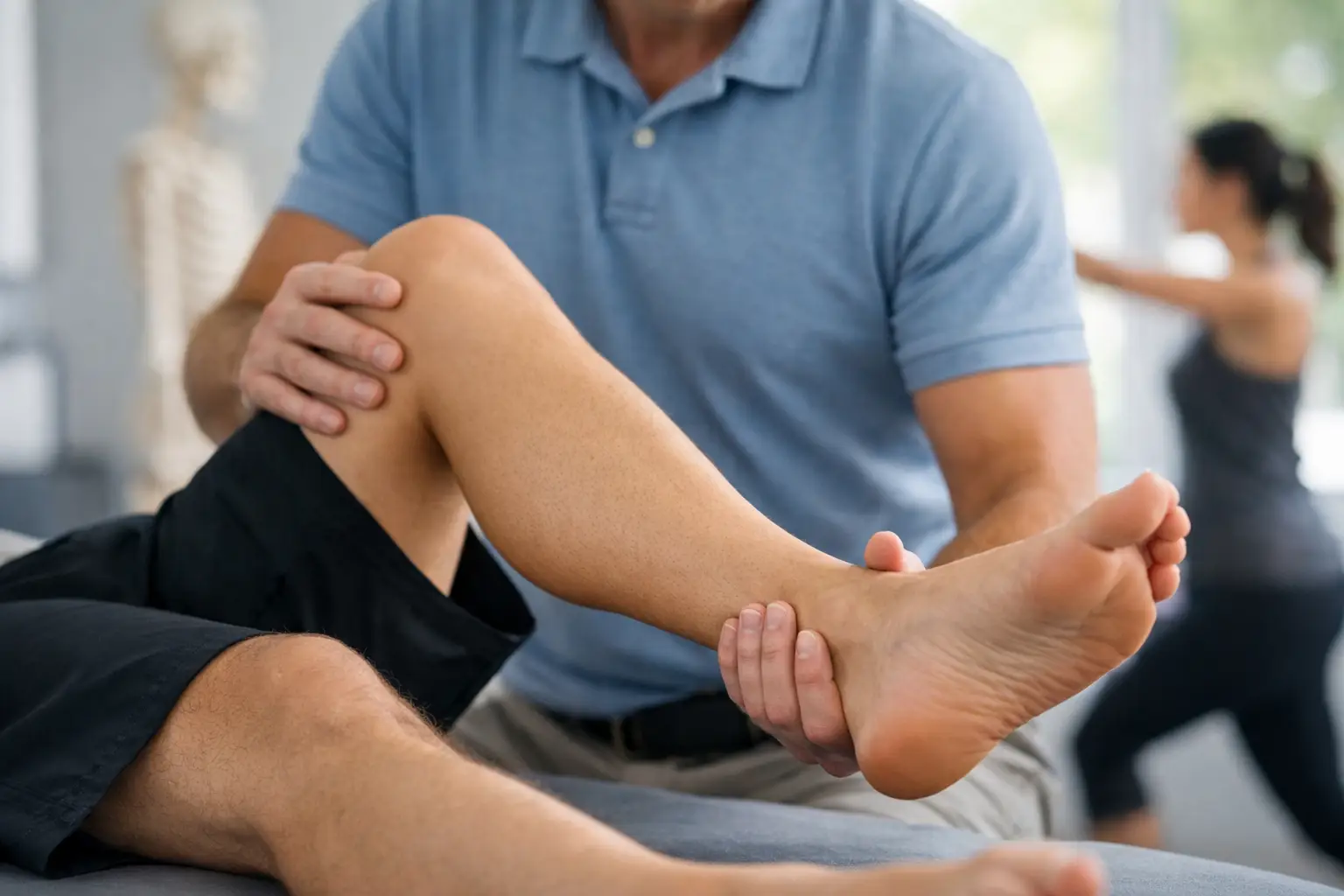
A personalized plan may begin with reducing the immediate source of pressure and irritation. This might involve changes to footwear, activity modification, padding, supportive devices, or treatment of painful corns, calluses, thick nails, or skin concerns that are altering your gait. Safe, routine medical foot care can be particularly valuable when reduced mobility, vision changes, arthritis, or neuropathy make self-care difficult.
Custom orthotics may be recommended when foot mechanics are contributing to recurring pain or fatigue. They are designed to support the way your feet move and distribute pressure more effectively. Orthotics are not a one-size-fits-all answer, and they work best when they are based on an assessment of your foot structure, footwear, activity demands, and symptoms.
Where tendon or soft-tissue pain is present, a care plan may include guided loading changes, stretching or mobility recommendations, and appropriate in-clinic therapies. Low-level laser therapy or shockwave laser therapy may be considered for certain conditions as part of a broader plan. The suitability of these options depends on the diagnosis, duration of symptoms, tissue health, and your overall medical history.
When swelling or venous discomfort is contributing to leg pain, properly fitted compression can support circulation and reduce fluid buildup for eligible clients. Compression should never be chosen solely by tightness or appearance. The wrong level or type can be uncomfortable or unsafe for people with certain arterial or cardiac conditions.
For wounds, fragile skin, or infection risk, treatment focuses first on protecting tissue and supporting healing. This can include wound assessment, appropriate dressings, pressure reduction, monitoring, and coordination with other health-care providers when required. In diabetes care, early intervention is essential because a wound that appears minor can become serious quickly.
Practical steps you can take between appointments
Small changes often make a meaningful difference, especially when they reduce repeated irritation. Wear shoes that have enough depth and width for your feet, a stable sole, and secure fastening. Avoid continuing in footwear that causes rubbing, numbness, or pressure marks, even if it feels familiar.
Pay attention to patterns. Note whether pain occurs on first steps in the morning, after standing, during exercise, or at night. Notice swelling, skin colour changes, numbness, and any difference between the two legs. This information helps guide clinical assessment.
Gentle movement can be useful for many causes of stiffness and circulation-related discomfort, but pain is not always a signal to push harder. If activity causes sharp pain, increases swelling, or changes your gait, scale back and seek advice rather than training through it. People with diabetes or reduced sensation should inspect their feet daily, including between the toes and the soles, using a mirror or assistance if needed.
A plan built around comfort and independence
The best treatment plan is one you can realistically follow. A person who works on concrete floors may need different footwear guidance and support than someone recovering from a stroke or managing arthritis. Someone with diabetes may need closer skin and circulation monitoring than a recreational runner with a recent overuse injury.
At Feet & Life in Barrie, lower-limb care is approached with attention to pain, mobility, skin integrity, circulation, and prevention. When needed, care can also be coordinated with your physician, nurse practitioner, physiotherapist, or other members of your health team. This is particularly important when symptoms may involve vascular disease, infection, medication effects, or a condition beyond foot and lower-limb care alone.
Pain may be common, but it should not become the reason you stop walking the dog, working comfortably, enjoying a favourite activity, or moving safely around your home. A timely assessment can provide clarity, protect vulnerable feet and legs, and give you a practical next step toward feeling steadier on your feet.