
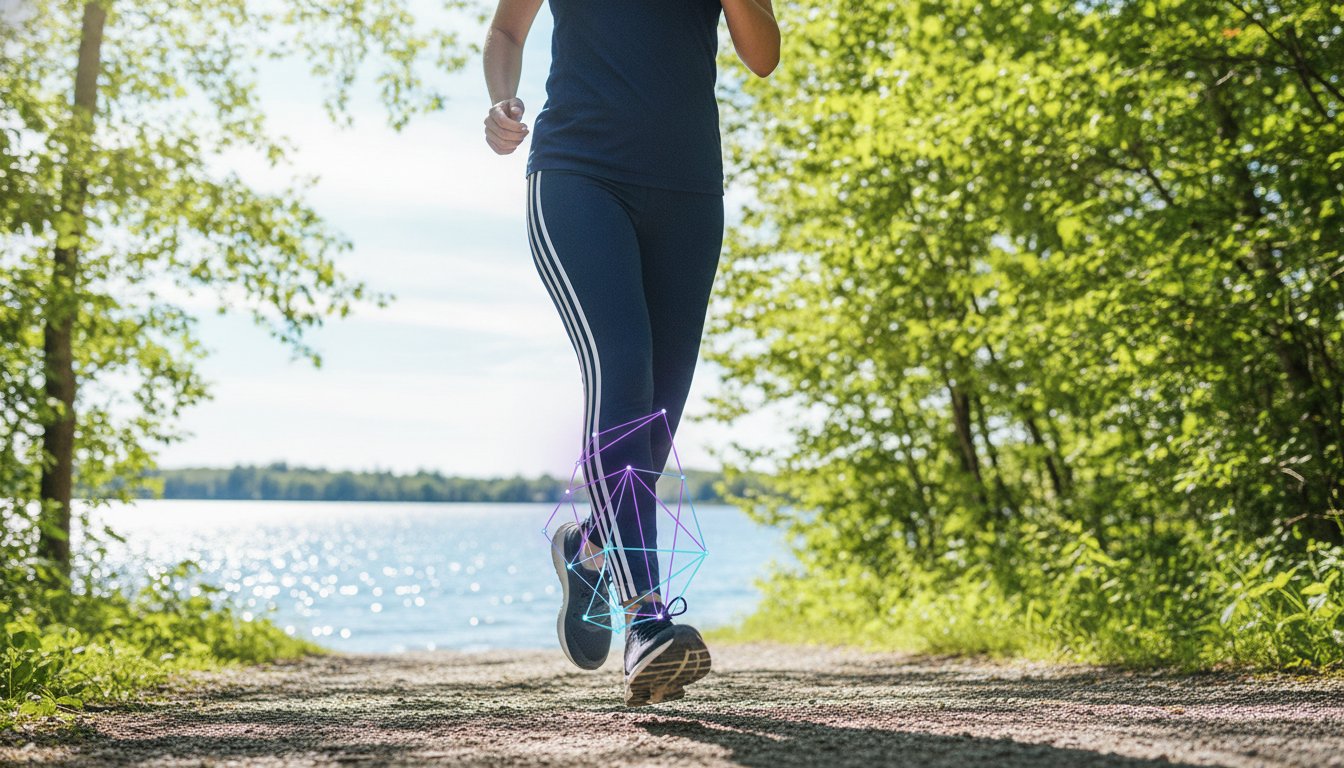
Did you know that approximately 70% of runners report experiencing a running-related injury this year? Whether it’s the sharp sting of plantar fasciitis or the nagging knee instability felt on the uneven terrain of the North Shore Trail, most athletes realize that persistent pain shouldn’t be a standard part of their training. It’s frustrating when your physical limits don’t match your goals, especially when local paths demand so much from your feet and joints.
Finding the right orthotics for runners Barrie athletes can trust is about more than just simple cushioning; it’s about professional clinical precision. You can resolve these recurring pains and protect your long-term mobility through a nurse-led assessment that prioritizes your unique biomechanics. This guide will explain how custom-milled solutions provide the stability you need for Barrie’s diverse landscapes while ensuring your medical documentation meets insurance requirements. We’ll explore how specialized care can prevent joint wear and keep your runs pain-free for years to come.
Key Takeaways
- Understand why the repetitive impact of running, reaching up to three times your body weight, requires the precision alignment provided by medical-grade tools.
- Discover how specialized orthotics for runners Barrie clinics provide can correct biomechanical gait issues like overpronation and help prevent painful micro-tears.
- Learn the clinical differences between durable, medical-grade polymers and the temporary cushioning offered by standard retail foam insoles.
- Explore how a nurse-led assessment uses physical palpation and range-of-motion testing to ensure your orthotics support your specific mobility goals.
- Find out how to safely integrate new orthotics into your training schedule, including the necessary break-in period and shoe sizing adjustments.
Why Runners in Barrie Require Specialized Orthotic Support
Running is a high-impact activity where your feet absorb forces up to three times your total body weight with every strike. For local athletes, finding effective Foot orthoses is not about seeking a simple cushion; it is about utilizing a biomechanical tool designed to manage these intense loads. Custom orthotics are medical-grade devices crafted to realign the foot and ankle, ensuring that the kinetic chain from your heel to your lower back remains stable. Unlike generic inserts, professional orthotics for runners Barrie residents use are based on a clinical assessment of specific gait patterns and unique anatomy.
The primary difference lies in the intent of the device. Retail products focus on comfort through soft materials that compress quickly under stress. In contrast, medical-grade orthotics for runners Barrie athletes receive are corrective. They use semi-rigid materials that maintain their shape under pressure to guide the foot into a neutral position. This precision is essential for preventing the long-term joint wear associated with high-mileage training.
The Impact of Barrie’s Diverse Running Terrains
Barrie offers a unique challenge for the lower limbs because of its varied geography. A morning run might start on the flat, unforgiving pavement along Kempenfelt Bay. These hard surfaces create repetitive vibration and strain on the plantar fascia. By the afternoon, you might be navigating the root-filled, uneven paths of the Ardagh Bluffs. This transition requires lateral stability to prevent ankle roll and knee shearing. Custom devices are engineered to fit various shoe volumes, whether you are wearing lightweight road racers or high-traction trail shoes, providing consistent support across all Simcoe County terrains.
When to Transition from Retail to Custom
Many runners begin with retail store insoles, but these generic foam products often fail under the rigours of a training cycle. While they offer temporary comfort, they lack the structural integrity to correct biomechanical imbalances. A one-size-fits-all approach can actually exacerbate issues, leading to secondary injuries in the hips or lower back as your body tries to compensate for poor foot alignment. A key clinical indicator that it is time for professional intervention is pain that persists or intensifies after your initial warm-up phase. When the discomfort doesn’t fade as you settle into your pace, your body is signalling that its natural shock absorption is compromised and requires specialized support.
The Biomechanics of Running: How Custom Orthotics Solve Pain
Understanding The Biomechanics of Running is essential for any athlete looking to improve their performance and longevity. During the high-velocity gait cycle, the foot moves through complex phases of pronation and supination. While these movements are necessary for shock absorption and propulsion, excessive overpronation or supination can lead to chronic stress on the lower limbs. Professional orthotics for runners Barrie athletes utilize aim to correct these deviations by providing a stable foundation that aligns the foot throughout the entire stance phase.
Stability starts at the subtalar joint. When this joint is poorly aligned, it causes an internal rotation of the tibia, which then forces the knee to track incorrectly. Custom devices stabilize this joint; this effectively reduces the rotational stress that often travels up to the hip. Modern medical-grade orthotics incorporate advanced shock-absorbing materials that dissipate energy more effectively than standard shoe foams. This reduces the total load transferred to your bones and connective tissues during high-mileage weeks.
Targeting Plantar Fasciitis and Heel Pain
A primary goal of custom intervention is protecting the plantar fascia from micro-tears caused by repetitive over-stretching. By utilizing a deep heel cup, the device stabilizes the heel’s natural fat pad, maximizing your body’s own cushioning ability. The medial arch height is carefully calibrated to offload tension from the fascia during the mid-stance phase. When the arch collapses during activity, it creates a persistent tugging at the heel bone; this mechanical strain is the direct cause of that sharp, debilitating morning heel pain many runners experience.
Addressing Shin Splints and Runner’s Knee
Proper alignment also reduces the repetitive tug on the tibialis posterior muscle, which is a common culprit behind medial tibial stress syndrome, or shin splints. Because your foot positioning dictates how the patella tracks within the femoral groove, stabilizing the foot often resolves chronic runner’s knee. This clinical connection extends even further, as a stable foot provides the necessary foundation for pelvic stability and efficient power transfer. Choosing the right orthotics for runners Barrie clinics provide ensures these biomechanical links are addressed. If you’re struggling with recurring issues, a professional assessment at Feet & Life can help identify the specific triggers unique to your gait.
Custom Orthotics vs. Retail Insoles: A Runner’s Comparison
Selecting the right support for your feet often begins with a choice between mass-market retail insoles and professional orthotics for runners Barrie clinics provide. While both products occupy space in your shoes, their functions are fundamentally different. Retail insoles are designed for generalized comfort, utilizing soft materials like compressed EVA foam or gel. These materials are pleasant during a walk, but they lack the structural memory required for high-intensity athletics. Within a few months of consistent training, retail foam typically bottoms out; it loses its ability to provide even basic arch support.
In contrast, custom medical orthotics are engineered from durable, medical-grade polymers or carbon fibre. These materials are selected for their ability to flex under load while immediately returning to their corrective shape. This durability ensures that a custom device remains effective for two to three years, even under the stress of daily training. From a financial perspective, custom devices are often a more sustainable investment. Most private extended health care plans in Canada recognize them as essential medical tools and provide coverage, whereas retail inserts are an out-of-pocket expense that requires frequent replacement.
The Fallacy of ‘Dr. Scholl’s’ for Athletes
Generic arch supports found in pharmacies rely on a “one-size-fits-all” philosophy that can be counterproductive for runners. Pharmacy kiosks that use weight-bearing pressure mats often capture your foot in its collapsed or compensated state. This can lead to over-correction or the placement of support in the wrong anatomical location. When you consider the cost-per-kilometre, custom orthotics frequently prove more economical. A runner training for a half-marathon on the North Shore Trail might go through four pairs of retail insoles in the time a single pair of custom orthotics remains clinically effective.
Advanced Casting: 3D Scanning vs. Traditional Plaster
The precision of modern orthotics for runners Barrie athletes receive is driven by digital casting technology. While traditional plaster casting is still effective, 3D laser scanning allows for a higher degree of accuracy in a non-weight-bearing neutral position. This process captures the ideal alignment of your foot’s unique contours without the distortion caused by standing. Modern CAD/CAM (Computer-Aided Design and Manufacturing) technology then allows for the creation of thinner, more breathable designs. These advanced profiles ensure the orthotic fits the specific “last” or internal shape of popular running brands, whether you prefer a narrow road racer or a high-volume trail shoe. This ensures your corrective support doesn’t compromise the fit or performance of your footwear.
The Feet & Life Clinical Assessment: A Nurse-Led Approach
A clinical assessment for orthotics for runners Barrie athletes is significantly more comprehensive than a simple digital scan. At Feet & Life, our process begins with a detailed review of your lower limb health history. We examine past running injuries, training volumes, and long-term mobility goals to understand the specific stresses placed on your body. This methodical approach ensures that the resulting orthotic intervention aligns with your overall lifestyle rather than just your foot shape. We believe that professional care should be as unique as your gait.
During the physical examination, we perform manual palpation and range-of-motion testing on the foot and ankle joints. This allows us to identify structural limitations or areas of tenderness that a computer scan might miss. We then conduct a dynamic gait analysis to observe how your foot strikes the ground in motion. By analyzing the transition from heel strike to toe-off, we can pinpoint the exact moment where biomechanical efficiency breaks down. This thoroughness is a hallmark of our nurse-led standards, providing a level of meticulousness that supports superior clinical outcomes and patient confidence.
Beyond Biomechanics: Skin Integrity for Runners
Our nursing background provides a distinct advantage in assessing skin health, a factor often overlooked in traditional fittings. Runners often struggle with blisters, persistent calluses, or “hot spots” that can sideline their training. We identify these areas of high friction before they progress into fungal infections or secondary wounds. For diabetic runners in Simcoe County, this check is vital. Protecting the high-risk foot requires specialized knowledge of wound prevention and pressure distribution that goes beyond basic arch support. We provide actionable advice on maintaining skin integrity to ensure your training remains uninterrupted by preventable skin issues.
Insurance Navigation and Documentation
Barrie residents often rely on extended health benefits from providers like Sun Life or Manulife to cover the cost of their devices. Canadian insurers have strict requirements for reimbursement, often requesting more than just a simple receipt. We provide a complete documentation package, including a detailed biomechanical assessment report and a formal gait analysis summary. Our clinic also ensures you have the necessary “proof of manufacturing” that confirms the custom nature of your orthotics for runners Barrie residents need for successful claims. If you’re ready to secure your long-term mobility with professional, nurse-led care, book your clinical assessment at Feet & Life today.
Integrating Orthotics into Your Barrie Training Routine
Receiving your custom medical devices is a significant milestone in your journey toward pain-free performance. However, the transition from your old gait patterns to a corrected alignment is a process that requires patience and clinical oversight. It is vital to remember that your body has spent years compensating for biomechanical inefficiencies. Introducing high-quality orthotics for runners Barrie residents receive means asking your muscles and tendons to work in a new, more efficient way. Rushing this process can lead to unnecessary strain, so a methodical integration into your training schedule is the best path to success.
The 2-Week Break-In Schedule
We recommend a gradual progression to ensure your feet and lower limbs adapt comfortably. For the first few days, limit wear to one or two hours of walking around your home or office. Once you can walk for a full day without discomfort, you may introduce light jogging on flat surfaces, such as the paved paths near Heritage Park. Avoid the challenging inclines of the Ardagh Bluffs or high-intensity interval training until you have successfully completed the initial two-week period. The adaptation phase allows the small intrinsic muscles of the foot to adjust to their new, corrected alignment without overexertion. By the end of the second week, most runners feel ready to return to their full training volume.
Shoe Selection for Custom Orthotics
When selecting footwear to accompany your orthotics for runners Barrie athletes should generally prioritize neutral running shoes. Because the orthotic provides the necessary structural correction, a “stability” or “motion control” shoe may actually over-correct your gait and lead to new issues. It is also essential to choose shoes with a removable factory insole. Removing the original foam insert ensures there is enough internal volume for the custom device to sit flush against the bottom of the shoe. This prevents your heel from slipping out of the back during your stride. Local Barrie shoe resources and specialized running shops can assist you in finding a “last” or shape that complements your new clinical support.
Monitoring your physical response during the first 30 days is a critical part of our care. You should expect some mild muscle fatigue, which is a sign that your body is learning to move correctly. However, sharp pain, blisters, or numbness are not part of a normal adjustment. If you experience these “bad” types of discomfort, our Barrie clinic provides ongoing support and precise modifications. We are dedicated to ensuring your orthotics provide the perfect balance of correction and comfort for your specific mobility needs.
Secure Your Foundation for Long-Term Mobility
Protecting your joints and improving your performance on Barrie’s diverse terrains requires a clinical approach that goes beyond basic cushioning. By investing in professional orthotics for runners Barrie athletes can trust, you’re choosing a medical-grade solution tailored to your unique gait and training goals. Our nurse-led clinical care provides a thorough perspective that prioritizes both biomechanical alignment and specialized skin health, ensuring you stay active and injury-free regardless of the distance.
Custom-engineered for athletic performance, these devices offer the stability needed for everything from pavement sprints to rugged trail runs. Don’t let persistent foot pain or instability limit your potential. We invite you to Book Your Runner’s Biomechanical Assessment at Feet & Life Barrie to begin your journey toward a more resilient and comfortable stride. Your next personal best starts with a stable foundation and the expert guidance of a dedicated clinical team. We look forward to helping you run with confidence for years to come.
Frequently Asked Questions
Do I need a doctor’s referral for custom orthotics in Barrie?
You don’t require a physician’s referral to visit our clinic for a clinical assessment. However, most extended health insurance providers in Ontario require a prescription from a doctor, podiatrist, or chiropodist to process a reimbursement claim. It’s best to review your specific policy requirements before your appointment to ensure your medical documentation meets their criteria for coverage.
How long do custom running orthotics typically last before needing replacement?
Custom running orthotics generally last between two and three years. This duration depends on your training volume and the specific terrains you navigate. While the medical-grade structural shell is highly durable, the soft top covers may require occasional refurbishing. We suggest an annual clinical review to ensure your devices continue to provide the precise biomechanical correction your gait requires.
Can I move my orthotics between my trail shoes and road running shoes?
You can move your orthotics between different pairs of shoes if the internal volume and shape of the footwear are similar. A device designed for a high-volume trail shoe might feel restrictive in a narrow road racing flat. It’s essential to remove the factory insole from every shoe to ensure your custom device sits correctly against the midsole for optimal stability.
Will custom orthotics make my feet ‘weak’ over time?
Custom orthotics won’t make your feet weak; they actually allow your muscles to function more efficiently by correcting structural alignment. By reducing the strain on overused connective tissues, these devices often enable runners to engage in strengthening exercises that were previously too painful to perform. They serve as a supportive tool that facilitates healthier movement patterns during high-impact training.
Are custom orthotics covered by my employer’s health insurance in Ontario?
Most employer-sponsored extended health insurance plans in Ontario provide coverage for orthotics for runners Barrie athletes utilize. While OHIP doesn’t cover the cost of these medical devices, private plans often reimburse a significant portion of the fee. Always verify if your insurer requires a specific biomechanical assessment report or proof of manufacturing before you submit your claim for reimbursement.
How do I clean my orthotics after a muddy run at Ardagh Bluffs?
To clean your orthotics after a muddy run, use a damp cloth with mild soap and lukewarm water. Avoid submerging the devices entirely or using harsh chemicals that could degrade the medical-grade adhesives or top covers. Always allow them to air dry completely away from direct heat sources, such as radiators or vents, to prevent the materials from warping or becoming brittle.
What is the difference between a podiatrist and a nurse-led foot clinic for orthotics?
A nurse-led clinic provides a unique perspective that bridges technical biomechanics with holistic patient care. While podiatrists may focus on surgery and specialized medicine, our nursing background emphasizes skin integrity, wound prevention, and overall mobility. This approach is beneficial for runners who require meticulous attention to friction points and high-risk foot health during intensive training cycles.
Can orthotics help with my lower back pain when running?
Orthotics can help resolve lower back pain by stabilizing the foundation of your kinetic chain. When your feet overpronate or collapse, it causes an internal rotation of the legs that leads to pelvic tilting and spinal strain. Choosing the right orthotics for runners Barrie clinics offer ensures your body remains aligned from the ground up, reducing the compensatory forces that affect your lower back.