
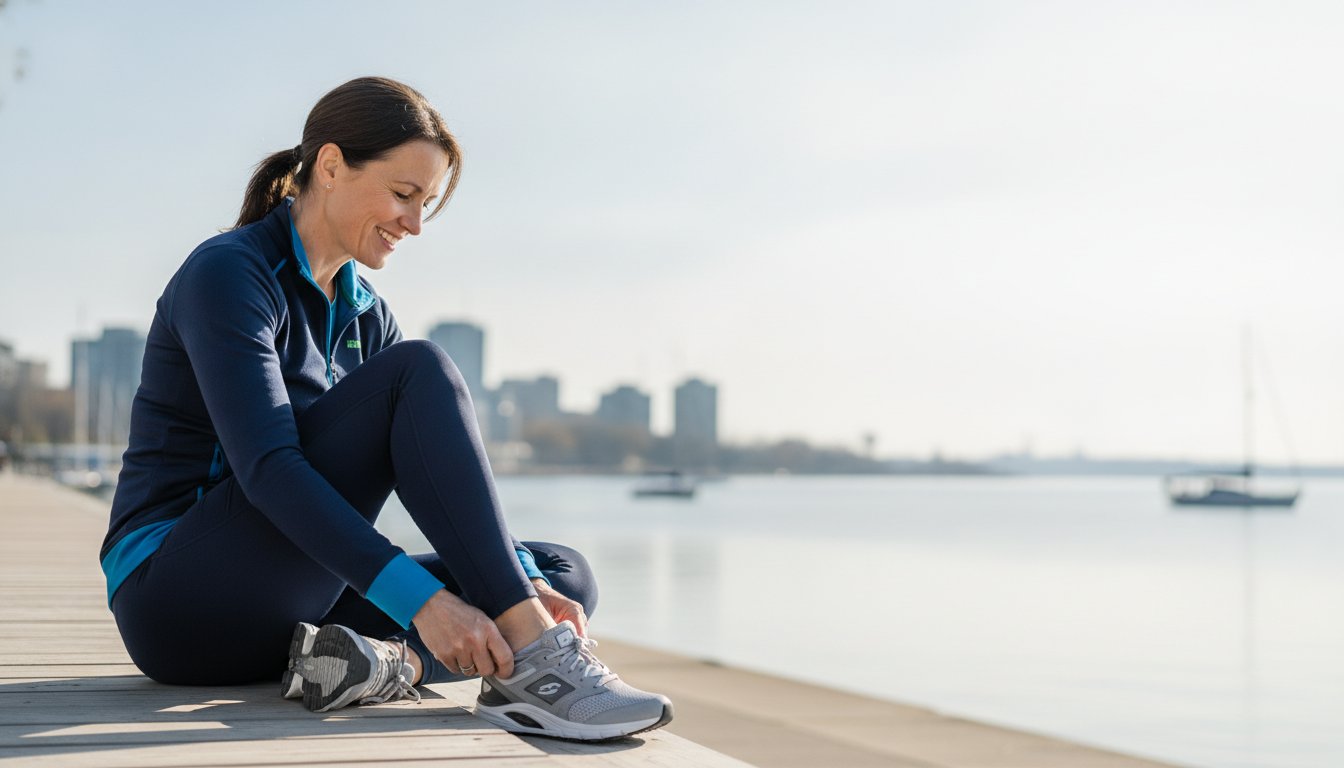
Imagine waking up in your Barrie home, ready for a morning walk along the waterfront, only to have a sharp, stabbing sensation in your heel stop you before you even reach the kitchen. If you’ve been searching for plantar fasciitis relief in Barrie, you’ve likely realized that generic cushions or simple rest rarely solve the problem long-term. It’s frustrating when you aren’t sure whether you need a doctor, a physiotherapist, or a specialized foot clinic to get back on your feet. We understand that this persistent discomfort doesn’t just affect your steps; it limits your ability to enjoy our local trails and your daily quality of life.
Finding lasting relief requires looking beyond the immediate pain to the underlying mechanical foundation of your foot. This article will help you discover the root causes of your heel pain and explain how professional biomechanical assessments provide a clear path to recovery. Clinical research shows that 90% of patients with chronic plantar fasciitis experience substantial symptom improvement after three months of consistent orthotic use. You’ll learn how custom orthotics act as a clinical solution by correcting the structural issues that cause inflammation. We’ll preview the necessary steps to achieve pain-free mobility so you can return to your favourite activities with confidence.
Key Takeaways
- Identify the physiological reasons behind sharp morning heel pain and why ignoring these early warning signs can lead to chronic inflammation.
- Understand the role of a professional biomechanical assessment in pinpointing the exact structural imbalances affecting your gait.
- Discover how custom-engineered orthotics offer a long-term strategy for plantar fasciitis relief Barrie patients need to maintain an active lifestyle.
- Learn the critical difference between retail cushioning and clinical correction when selecting orthotic solutions for your recovery.
- Gain insights into a holistic foot care plan that includes specialized medical treatments and appropriate footwear for our local terrain.
What is Plantar Fasciitis? Understanding the Source of Your Heel Pain
Plantar fasciitis is one of the most common causes of chronic heel pain; it involves inflammation of the plantar fascia, which is the thick band of connective tissue that runs across the bottom of your foot. This tissue connects your heel bone to your toes, acting as a structural support for your arch. To truly understand What is Plantar Fasciitis?, one must look at how the body attempts to repair itself during rest. Many residents seeking plantar fasciitis relief Barrie clinics often describe a sharp, stabbing sensation during their very first steps in the morning. This happens because the fascia contracts and attempts to heal while you sleep; when you stand up, you suddenly stretch that inflamed tissue, causing immediate distress.
It’s helpful to distinguish between the inflammation itself and secondary issues like heel spurs. While a heel spur is a bony protrusion on the underside of the heel bone, it’s often the result of long-term strain rather than the primary source of pain. The inflammation of the fascia is the actual culprit that requires clinical attention. In our community, we often see these symptoms triggered by increased seasonal activity, such as long walks on the hard pavement of the Barrie waterfront or hiking local trails in footwear that lacks proper structural support. Walking on these unyielding surfaces without adequate arch control puts excessive stress on the soft tissues of the foot.
The Anatomy of the Plantar Fascia
Think of the plantar fascia as a shock-absorbing bowstring that supports the arch of your foot. When you walk or run, this bowstring stretches to manage the impact. If the tension becomes too great, small micro-tears can develop within the tissue. Over time, these tears lead to the debilitating inflammation you feel at the centre of your heel. To organize an effective treatment plan, we must first understand how these mechanical stresses are impacting your specific foot structure and weight distribution.
Common Symptoms and Warning Signs
The pain associated with this condition is unique because it often fluctuates throughout the day. While the first steps are the most painful, the discomfort might decrease as you move and the tissue warms up. However, it often returns after long periods of standing or when you stand up after sitting. You should watch for these specific indicators:
- Sharp pain at the bottom of the calcaneus (heel bone) during the first steps after sleep or rest.
- Discomfort that intensifies after long periods of standing or after rising from a seated position.
- Increased pain following exercise rather than during the activity itself.
- Stiffness in the Achilles tendon that seems to mirror the tension in your arch.
Recognizing these early warning signs is the first step toward achieving lasting plantar fasciitis relief Barrie. Addressing the pain before it becomes a chronic limitation allows for more effective, non-invasive clinical interventions.
The Importance of a Biomechanical Assessment for Plantar Fasciitis Relief
Many people seek Understanding the Source of Your Heel Pain through quick fixes like ice or rest, but these methods only manage temporary symptoms. For true, lasting plantar fasciitis relief Barrie residents need a deeper look at how their feet function as a foundation. A professional biomechanical assessment is the essential first step toward recovery. Without this detailed exam, you’re merely addressing the inflammation while the underlying mechanical cause continues to strain the tissue, leading to inevitable recurrence and frustration.
Our approach is nurse-led, which means it combines rigorous clinical standards with an empathetic, patient-centered focus. We don’t just look at a foot; we look at a person whose mobility and quality of life are compromised. This thorough process ensures we realize the full scope of your discomfort and how it impacts your ability to navigate the world. By conducting a detailed gait analysis, we can identify whether your pain stems from overpronation, high arches, or other structural irregularities that generic treatments often overlook.
What Happens During Your Clinical Assessment?
The assessment begins with a visual inspection of your foot structure and skin integrity to check for signs of unusual wear or pressure. We then move to palpation, where we carefully apply pressure to locate specific trigger points of inflammation. This helps us confirm the exact site of the fascial strain. Finally, we perform range of motion testing for the ankle and midfoot joints. This step is vital because stiffness in the surrounding joints often forces the plantar fascia to work harder than it should. If you’re ready to move beyond temporary fixes, you can explore our clinical assessment options to find a personalized path forward.
Identifying the Root Cause
Biomechanics is the study of the mechanical laws relating to the movement or structure of living organisms. When your biomechanics are off, your body compensates in ways that lead to injury. For example, “flat feet” or overpronation causes the arch to collapse inward during each step, putting excessive tension on the fascia. Conversely, high arches don’t absorb shock well, forcing the tissue to take the brunt of every impact. We also investigate the impact of leg length discrepancies, which often cause unilateral heel pain as one side of the body carries a disproportionate amount of weight. Identifying these subtle differences is what allows us to provide effective plantar fasciitis relief Barrie patients can trust for the long term.
Custom Orthotics vs. Store-Bought Inserts: Why Engineering Matters
When residents search for plantar fasciitis relief Barrie, the first instinct is often to visit a local pharmacy or big-box store for a pair of gel inserts. It’s a common starting point, but there’s a critical clinical difference between cushioning a painful area and correcting a mechanical failure. Retail products are designed for “average” feet, focusing on temporary comfort through soft foam or liquid gels. In contrast, medical-grade orthotics are engineered to provide structural correction. They don’t just mask the pain; they reorganize how your foot interacts with the ground to eliminate the source of the strain.
Achieving Comprehensive Foot Care requires a solution that addresses your specific anatomy. While retail cushions might feel pleasant for the first few minutes, they lack the structural integrity to support your arch over a full day of walking. Clinical studies show that 90% of patients with chronic plantar fasciitis experience substantial symptom improvement after three months of consistent orthotic use. This high success rate is tied to the precision of custom engineering, which retail products simply cannot replicate.
The Limitations of Over-the-Counter (OTC) Inserts
The “one-size-fits-all” approach of OTC inserts fails because it cannot account for the unique height of your arch or the specific way your heel strikes the pavement. If an insert doesn’t match your foot’s contours, it can actually increase fascial strain by placing pressure in the wrong areas. These products are typically made of soft materials that compress quickly, losing their supportive properties within a few months. This leads to a cycle of recurring pain and constant replacement costs that eventually exceed the price of a professional solution.
The Benefits of Clinical Custom Orthotics
Our custom orthotics Barrie are precision-moulded to the unique contours of your feet following a thorough biomechanical exam. We use durable, high-quality materials designed for long-term support and effective pressure redistribution. These devices are carefully crafted to organize the foot’s movement, ensuring that the plantar fascia isn’t overstretched during the gait cycle. By providing a stable foundation, custom orthotics help align your entire body, reducing secondary pain in the knees, hips, and lower back. Choosing a custom-engineered solution is an investment in your long-term mobility and a future free from chronic heel pain.
Comprehensive Foot Care: Beyond Orthotics
While custom engineering provides the structural support needed for recovery, achieving true plantar fasciitis relief Barrie requires a more integrated clinical perspective. Our nursing-led approach recognizes that the health of your skin, nails, and overall foot condition directly influences how you move. If you’re compensating for a painful callus or an ingrown nail, your gait changes. This shift often places unintended stress on the plantar fascia, creating a cycle of pain that orthotics alone might not fully break. By addressing these secondary concerns alongside structural correction, we ensure a more efficient and comfortable healing process.
Proper footwear selection is another critical component, especially given Barrie’s diverse terrain and seasonal shifts. Walking through winter slush or hiking our local trails requires shoes that offer both traction and torsional stability. We help you realize which footwear features best complement your orthotics. This ensures your feet remain protected regardless of the weather or the surface you’re walking on. Integrated care means looking at the whole foot, not just the site of the pain.
Medical Foot Care and Skin Integrity
Maintaining skin integrity is vital for preventing complications that can exacerbate heel pain. Professional callus removal is more than a cosmetic service; it’s a clinical intervention that reduces localized pressure points. When thick skin builds up on the heel or ball of the foot, it creates an uneven distribution of weight. For high-risk patients, managing these issues is even more urgent. We provide specialized diabetic foot care Barrie to ensure that minor irritations don’t escalate into serious wounds.
Specialized Modalities for Pain Management
Sometimes, inflammation is complicated by other underlying conditions that hinder your progress. Fungal laser foot therapy can be used if secondary infections are present, ensuring the entire foot environment is healthy. We also guide patients through specific stretching protocols designed to improve flexibility in the posterior chain. Tight calf muscles often pull on the heel bone, increasing fascial tension. Addressing this through targeted movement and, when necessary, advanced wound care for chronic complications, provides the comprehensive support your feet deserve.
If you’re tired of piecemeal solutions, it’s time to explore our integrated foot care services for a holistic path to wellness.
Starting Your Journey to Pain-Free Living in Barrie
Achieving plantar fasciitis relief Barrie starts with a commitment to understanding your body’s unique mechanics. Throughout this guide, we have explored how inflammation develops and why generic inserts often fail to provide a lasting fix. By choosing a clinical path, you move from merely managing symptoms to correcting the underlying structural issues. Our nursing-led philosophy ensures that your journey is both technically precise and deeply supportive. We focus on long-term health, helping you return to the activities you love without the fear of recurring pain or future limitations. The transition from sharp, morning pain to fluid, comfortable movement is possible when the right clinical engineering is applied.
We realize that every patient has different goals, whether it’s walking the dog along the waterfront or completing a local marathon. Our team is dedicated to providing the specialized attention required to meet those specific needs. By combining expert biomechanical analysis with empathetic care, we create a stable foundation for your recovery. This methodical approach ensures that no aspect of your foot health is overlooked, from the integrity of your skin to the alignment of your arch.
What to Expect at Your First Appointment
Your first visit is designed to be thorough and transparent. We begin with a detailed review of your medical history, current activity levels, and footwear habits. This allows us to understand the specific triggers behind your discomfort and how it affects your daily routine. We then perform a non-invasive, methodical examination of your lower limbs. This process includes observing your standing alignment and gait to see how your feet support your weight during movement. This isn’t just a clinical checklist; it’s a collaborative discussion where we explain our findings and work with you to develop a personalized treatment plan that fits your lifestyle.
Booking Your Relief in Barrie
Our clinic is proud to serve residents across Barrie, Innisfil, and Orillia, providing accessible care close to home. Scheduling a consultation with the Feet & Life team is a straightforward process designed to get you back on your feet as quickly as possible. Early clinical intervention is the most effective way to prevent plantar fasciitis from requiring invasive treatments. We encourage local residents to seek professional care as soon as symptoms arise to prevent the condition from becoming chronic. By addressing the mechanical root of the problem now, you can avoid the complications of long-term inflammation. If you are ready to reclaim your mobility, seeking professional plantar fasciitis relief Barrie is the most important step you can take toward a more active, pain-free lifestyle.
Take the First Step Toward Lasting Comfort
Recovering from heel pain requires moving beyond temporary fixes to address the mechanical foundation of your feet. We’ve explored how a professional biomechanical assessment identifies the structural imbalances that lead to inflammation. By choosing custom-engineered orthotics over retail cushions, you provide your body with the corrective support needed for long-term health. Our practitioner-led clinic combines high-level medical expertise with a caring nursing approach to ensure your recovery is both thorough and compassionate. We’re dedicated to providing the specialized plantar fasciitis relief Barrie residents need to return to their daily walks and local trails with confidence.
Our focus remains on non-invasive medical foot care and precision-engineered solutions tailored for Simcoe County. You don’t have to let sharp morning pain dictate your quality of life any longer. We invite you to Book Your Biomechanical Assessment at Feet & Life Today and begin your journey toward pain-free mobility. Our team is here to guide you through every step of your personalized treatment plan. We look forward to helping you realize a more active and comfortable future.
Frequently Asked Questions
Is plantar fasciitis a permanent condition?
Plantar fasciitis is not a permanent condition; it is a treatable inflammatory response to mechanical strain or overuse. Most patients achieve a full recovery within several months when they follow a structured clinical intervention plan. While the pain can feel debilitating, addressing the underlying structural cause prevents the condition from becoming a chronic, long-term limitation.
How long does it take for custom orthotics to relieve heel pain?
Many patients report a noticeable reduction in discomfort within 3 to 6 weeks of consistent use. Clinical data shows that 90% of individuals experience substantial symptom improvement after three months of wearing their custom-engineered devices. The exact timeline varies based on the severity of your inflammation and how consistently you wear your supportive footwear.
Will I need to wear orthotics in every pair of shoes?
You should wear your orthotics in any footwear you use for standing or walking for more than a few minutes. While you don’t necessarily need a different pair for every shoe, moving your inserts between your work shoes and athletic sneakers ensures your arch remains stabilized. Consistency is the most important factor in achieving lasting plantar fasciitis relief Barrie.
Can I still exercise while I have plantar fasciitis?
You can continue to stay active, but it’s vital to switch to low-impact exercises that don’t aggravate the inflamed tissue. Activities like swimming, cycling, or using an elliptical trainer allow you to maintain cardiovascular health without placing excessive shock on your heels. We recommend avoiding running or high-impact aerobics until your biomechanical assessment confirms your feet are properly protected.
Do I need a doctor’s referral to visit a foot clinic in Barrie?
You do not need a doctor’s referral to access specialized foot care or orthotic services in Ontario. Residents can contact our clinic directly to schedule a biomechanical assessment and begin their treatment plan. This direct access ensures you can seek professional help as soon as symptoms appear, which often leads to faster recovery times.
What is the difference between a podiatrist and a medical foot care nurse?
Podiatrists and chiropodists are specialists focused on the diagnosis and surgical or medicinal treatment of foot disorders. A medical foot care nurse provides a holistic, nursing-led approach that emphasizes skin integrity, wound management, and therapeutic care. Our practice focuses on this empathetic, practitioner-led model to improve your overall quality of life through non-invasive clinical interventions.
Can improper footwear on Barrie’s hard pavement cause heel pain?
Walking on hard, unyielding surfaces like the concrete paths along the Barrie waterfront is a frequent trigger for fascial strain. Without proper structural support, these surfaces force the plantar fascia to absorb the full impact of every step. Wearing shoes with thin soles or lack of arch control on these surfaces significantly increases your risk of developing chronic heel pain.
Are custom orthotics covered by insurance in Ontario?
Most extended health insurance plans in Ontario provide coverage for custom orthotics and professional foot care services. We recommend that you review your specific policy or contact your insurance provider to realize the extent of your benefits. Many patients find that their plan covers a significant portion of the costs associated with clinical assessments and custom-engineered devices.